Florence Monks' Ancient Recipe Mirrors Coca-Cola Origins
A Dominican friar discovered a 19th-century tonic recipe in a Florence convent that used the same key ingredients as early Coca-Cola. The find adds another fascinating chapter to the mysterious origins of the world's most famous soft drink.
Hidden in the dusty archives of Florence's San Marco Pharmacy, a recipe slip from the 1800s has revealed an intriguing connection to one of the world's most iconic beverages.
Father Manuel Russo, rector of the San Marco convent, stumbled upon an old advertisement for "Elixir vinoso ricostituente" while consulting the monastery's historical records. The tonic promised to ease physical and mental fatigue caused by age or hard work.
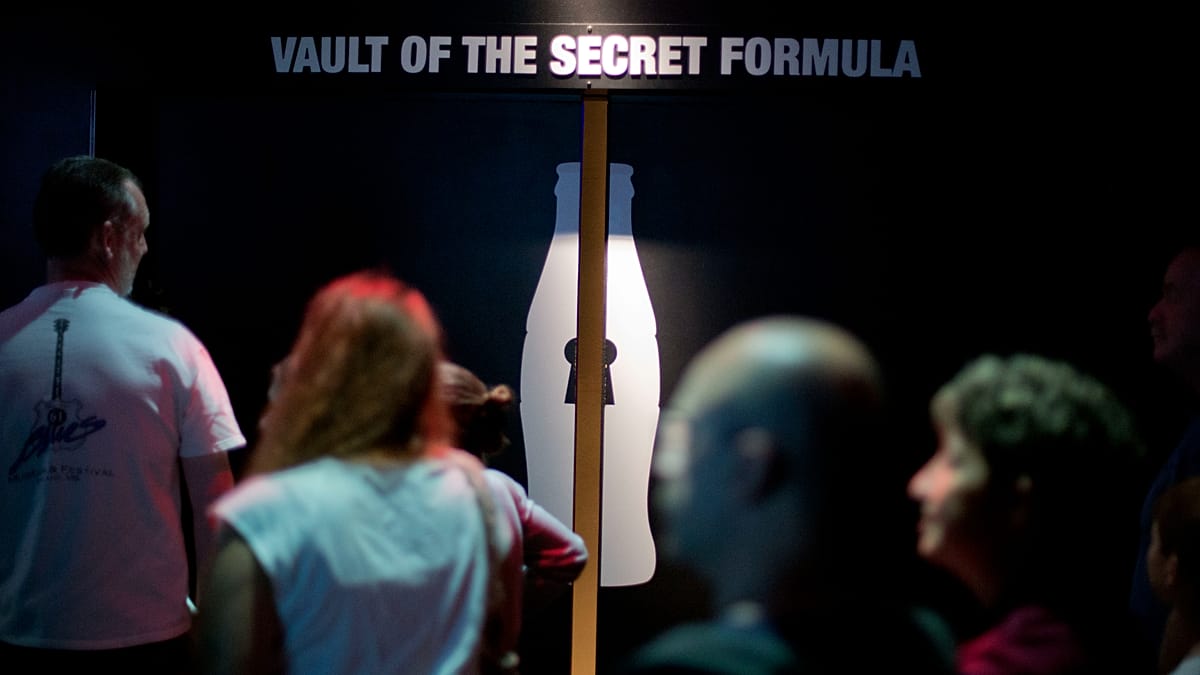
What makes this discovery remarkable is the recipe itself: 30 grams of kola nut and 10 grams of Bolivian coca leaves infused in a liter of alcohol. These are the exact same ingredients American pharmacist John Stith Pemberton used in 1886 to create "French Wine Coca," which became Coca-Cola.
The only difference was alcohol. When Prohibition hit America, Pemberton swapped the booze for carbonated water and syrup, creating the fizzy drink we know today.
During Florence's brief stint as Italy's capital from 1865 to 1871, government officials and office workers regularly stopped at the San Marco convent during breaks to sip the energizing tonic. The elixir was one of the pharmacy's most popular products.
Why This Inspires
This discovery celebrates the long tradition of pharmaceutical innovation among Dominican friars. For centuries, monks and religious communities have been at the forefront of herbal medicine and healing arts, improving lives through careful study of natural remedies.
The story gets even more interesting. Florence isn't alone in claiming a possible Coca-Cola connection. In Aielo de Malferit, Spain, a nearly identical drink called "Nuez de Cola Coca" was produced in the 1880s by the Aielo Liquor Factory. The factory's owner frequently traveled to America for business and left bottles of his creation there.
In 1953, when Coca-Cola expanded into Spain, the company bought the patent for the Spanish drink. Today, the alcoholic version is still produced in that small Valencian town.
There's no concrete proof linking either the Florentine or Spanish recipes to Coca-Cola's creation. What remains are fascinating coincidences and the reminder that great ideas often emerge from multiple places at once.
Father Russo sees the discovery as evidence of the advanced pharmaceutical knowledge held by religious communities throughout history, a legacy of healing that continues to benefit people today.
More Images

Based on reporting by Euronews
This story was written by BrightWire based on verified news reports.
Spread the positivity!
Share this good news with someone who needs it