Florida CPR App Boosts Bystander Saves by 33%
A simple smartphone app in Florida increased bystander CPR rates by 33%, giving cardiac arrest victims a fighting chance before paramedics arrive. The study proves technology can turn everyday people into lifesavers.
📺 Watch the full story above
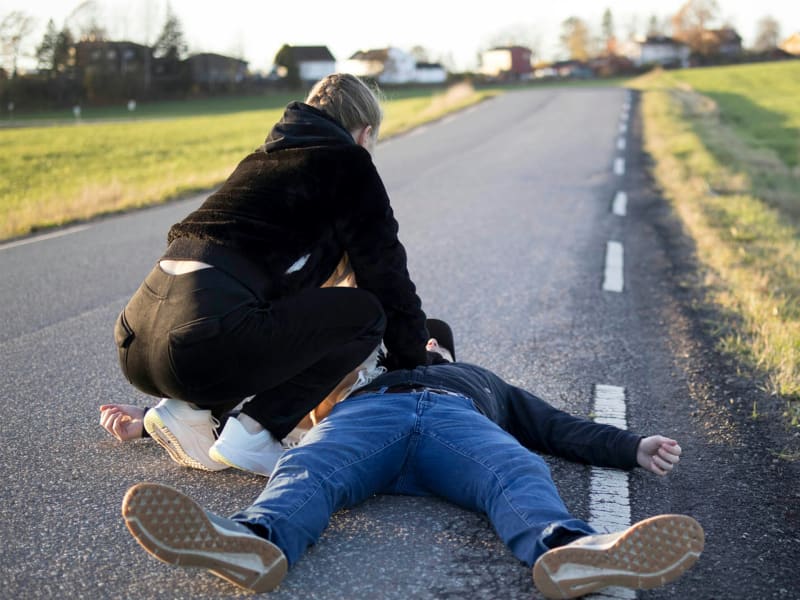
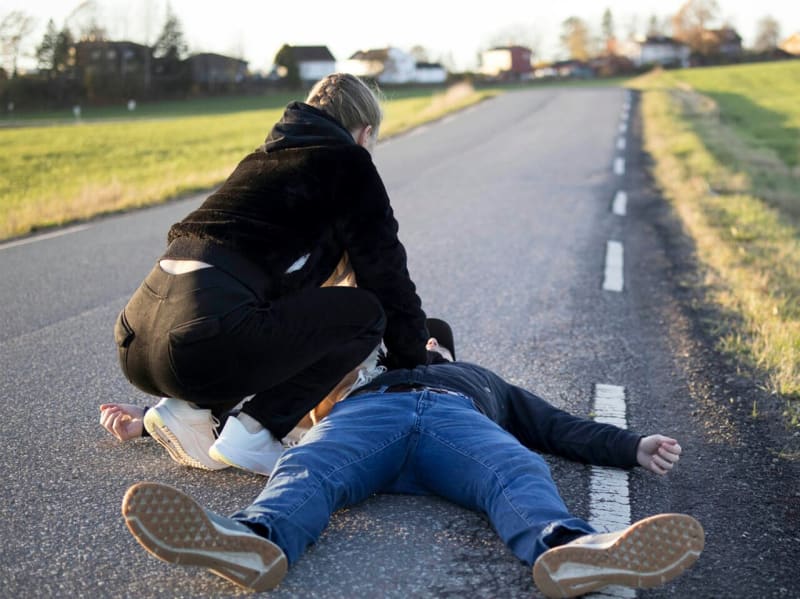
When someone collapses from cardiac arrest, brain cells start dying within two minutes. In Alachua County, Florida, a smartphone app is turning neighbors into lifesavers before it's too late.
University of Florida Health researchers just proved what they'd hoped was true. After launching PulsePoint in 2018, bystander CPR rates jumped from 43% to 57% over the next few years. That's a 33% increase in people getting immediate help when their heart stops.
PulsePoint works like a lifeline alert system. When someone nearby experiences cardiac arrest, the 911-connected app instantly notifies CPR-trained people in the area and asks them to help. The app is now active in over 5,500 communities nationwide.
Dr. Torben Becker led the study at UF Health's Department of Emergency Medicine. He explains why those early minutes matter so much. "You need to have that first link in the chain of survival for top-notch methods and tools to work," he said.
CPR buys precious time for advanced treatments to succeed. UF Health uses a cutting-edge technique called ECPR that oxygenates blood outside the body during cardiac arrest. But it only works if someone performs CPR immediately after the heart stops.
In 2023, this chain of survival saved a 63-year-old heart attack patient. His adult daughter performed CPR after getting the PulsePoint alert, keeping him alive until the ECPR team arrived. He survived because help came fast enough.
The study found many responders were off-duty healthcare workers. That's good news, but it also reveals untapped potential. Training more regular citizens in CPR could multiply the app's impact even further.
The Ripple Effect
Nearly 300,000 people live in Alachua County, and this technology is protecting all of them. Each percentage point increase in bystander CPR translates to real people surviving, not just statistics on a chart.
The success in Florida provides a blueprint for communities everywhere. Cities can partner with emergency services to activate PulsePoint, then boost CPR training programs to maximize the technology's reach. It's a proven formula that costs relatively little but saves lives.
Other communities are already watching. The study, published in the Journal of Clinical Medicine, offers scientific proof that community-centered emergency response works. When neighbors help neighbors, survival rates climb.
Dr. Becker thinks beyond the data to what really matters. "We're helping the community at large, but each success means someone can spend another holiday with their family, can watch their grandchildren grow up," he said.
A smartphone notification, a few minutes of CPR, and someone gets to celebrate their next birthday.
More Images
Based on reporting by Medical Xpress
This story was written by BrightWire based on verified news reports.
Spread the positivity!
Share this good news with someone who needs it