Florida Dumped 500K Tons of Shells, Rebuilt Gulf Reef
Florida spent 17 years dumping recycled oyster shells into the Gulf of Mexico, turning restaurant scraps into thriving underwater ecosystems. Fish, turtle, and dolphin populations are now at their highest levels in 25 years.
For years, Florida scientists scraped oyster shells off restaurant plates and dumped them straight into the Gulf of Mexico. Critics called it reckless garbage disposal that would destroy an already struggling ecosystem.
They were spectacularly wrong.
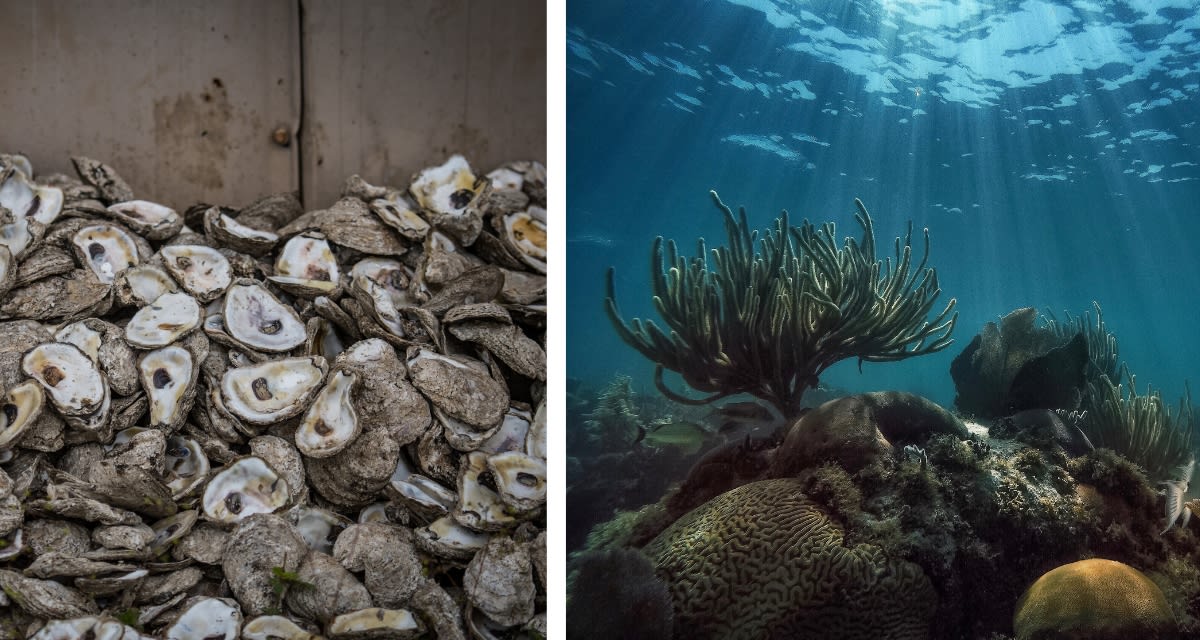
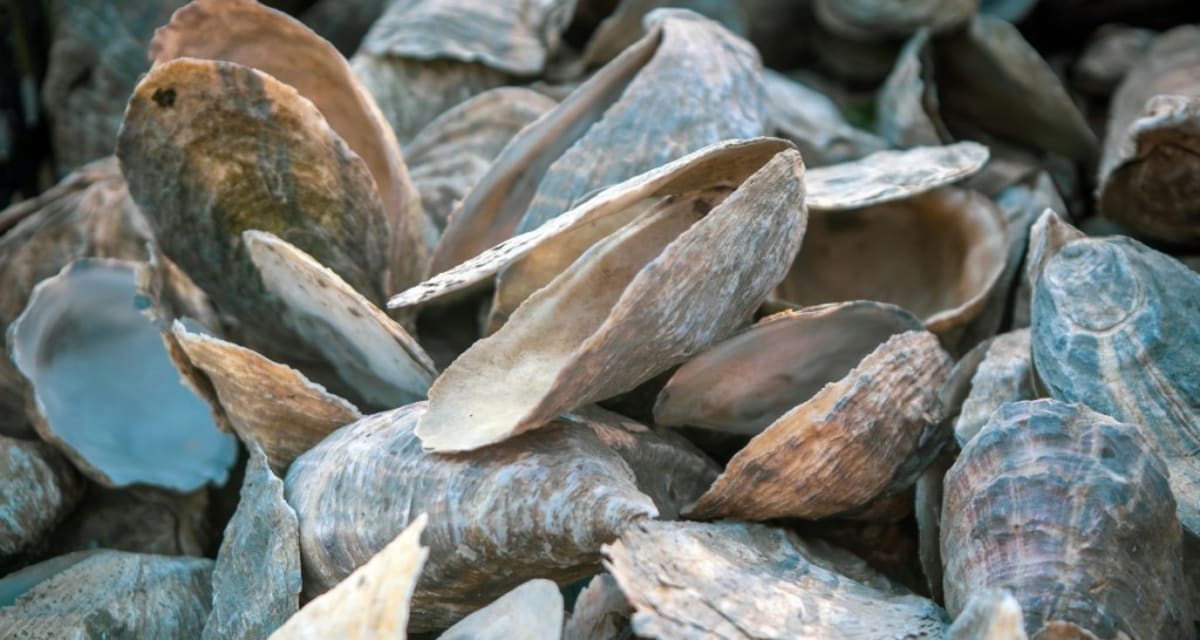
Between 2007 and 2024, Florida recycled over 500,000 tons of oyster and clam shells from restaurants and seafood plants, sinking them onto the Gulf's sandy floor. The idea seemed absurd: save the ocean with rotting garbage.
Even the researchers running the project had doubts when nothing visible happened for months. But beneath the surface, those discarded shells were quietly working magic.
Bacteria attached themselves to the shells almost immediately, creating biofilm. This invisible layer is the foundation of nearly every marine ecosystem on Earth, something scientists still struggle to recreate in labs.
The shells also released calcium as they broke down, producing tiny pockets of water with different chemical makeups. These "microzones" gave struggling underwater organisms the exact conditions they needed to survive.
Dead shells created something else the Gulf desperately needed: solid surfaces. Baby oysters mounted and grew on these foundations, something impossible on the area's soft, degraded seabed.
Living oysters then filtered the water, controlling harmful algae blooms. Layer by layer, the ocean floor rebuilt itself until the transformation became impossible to ignore.
Fish, turtle, and dolphin populations surged to numbers not seen in over 25 years. The Gulf was coming back to life.
The Ripple Effect
The benefits reach far beyond marine life. Healthy reefs mean stable incomes for fishermen and affordable prices at seafood restaurants.
Clean waters boost tourism dollars. Restored reefs even provide natural barriers against coastal storms, protecting homes and businesses.
Every aspect of coastal life connects directly to ocean health. Florida's experiment proved that connection could work in reverse, too.
The success caught attention worldwide. Coastal engineers and marine biologists across North America, Europe, and Australia are now studying how natural materials can rapidly rebuild degraded environments.
Similar shell recycling programs have launched in Alabama, Texas, Louisiana, California, Mississippi, and the Carolinas. Restaurant scraps are becoming restoration tools across multiple continents.
The irony feels almost poetic. Human intervention is solving a problem humans created through overharvesting and disasters like the Deepwater Horizon oil spill.
No single project erases decades of environmental damage, but Florida showed that thoughtful restoration gives struggling ecosystems real fighting chances. Sometimes the solution really is hiding in plain sight, waiting on dinner plates.
More Images

Based on reporting by Upworthy
This story was written by BrightWire based on verified news reports.
Spread the positivity!
Share this good news with someone who needs it