Florida Homeowners Choose Backup Power Before Storms Hit
Floridians are installing generators and solar systems year-round, not just after hurricanes strike. This proactive shift signals a quiet revolution in how people are taking control of their own energy reliability.
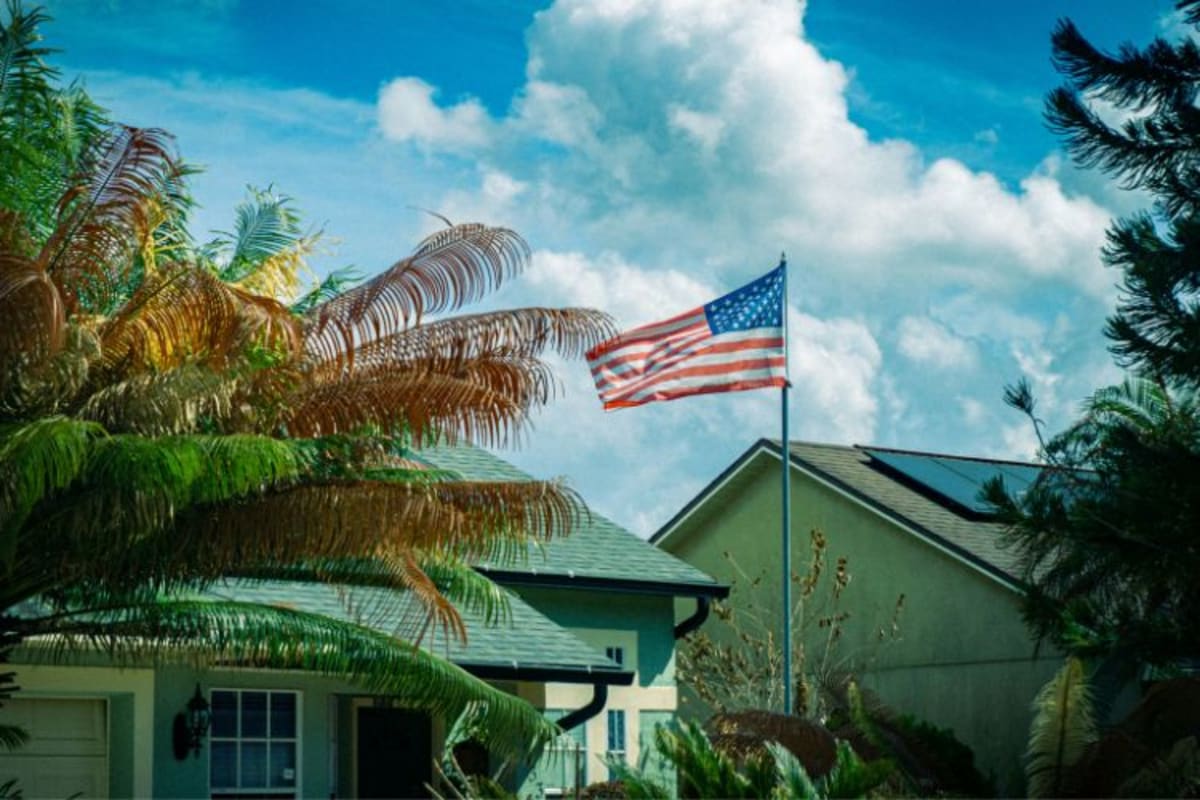
Floridians aren't waiting for the next hurricane to think about keeping their lights on. They're installing backup generators, solar panels, and EV chargers months before storm season even starts, marking a fundamental shift from panic buying to planned resilience.
The change is visible in installation patterns across Central Florida. Palmer Electric, an Orlando-based contractor operating since 1951, reports that backup power systems have become standard home planning rather than emergency afterthoughts.
The timing makes sense when you look at Florida's energy situation. The state produces the second-most electricity in America but still can't meet its own needs, drawing additional power from regional grids to cover the gap.
Natural gas fuels about 75% of Florida's electricity, creating vulnerability when supply disruptions hit. Meanwhile, hurricane season runs June through November every single year, making power outages a predictable reality rather than a remote possibility.
For Florida households, the stakes are particularly high. Residential customers consume 54% of all electricity used statewide, the largest share of any state in the nation, because nearly every home runs air conditioning and 9 in 10 use electricity for heating.
When hurricanes knock out distribution lines, that massive residential demand means power loss isn't an inconvenience. It's a question of whether refrigerators, medical equipment, and cooling systems keep running in someone's home.
Solar is expanding rapidly to help meet rising demand. Florida ranked third nationally in solar generation in 2025, trailing only California and Texas, while wind and solar together hit 19% of U.S. electricity generation when small-scale systems are included.
The residential solar and generator installations happening across Florida represent something grid planners don't always track closely: distributed resilience decisions that compound alongside official demand growth projections.
The Ripple Effect
This quiet transformation in how Floridians approach power reliability could reshape energy planning across storm-prone states. When thousands of households build their own backup systems, they're not just protecting themselves but also reducing strain on emergency grid repairs after disasters strike.
The shift from reactive to proactive planning creates a more resilient community overall. Neighbors with backup power can help others, medical needs get addressed faster, and recovery happens more smoothly when distributed generation fills gaps.
U.S. electricity demand is projected to grow 39% by 2035, driven by data centers, industrial expansion, and electrification. The nation currently has only about 26 gigawatts of excess generating capacity above minimum reliability requirements, roughly 3% of total capacity.
Florida's property-level resilience movement offers a model for other fast-growing, storm-exposed regions navigating tight capacity margins and climate uncertainty.
Floridians are proving that energy security starts at home, one installation at a time.
Based on reporting by Renewable Energy World
This story was written by BrightWire based on verified news reports.
Spread the positivity!
Share this good news with someone who needs it