Florida Hospital Tests Robot That Tows Patients Autonomously
A Florida hospital is piloting an autonomous robot that tows hospital beds and wheelchairs, promising to slash wait times and reduce injuries among healthcare workers. The invention came from an ER doctor frustrated by hour-long trips down 200-yard hallways.
Patients at a Florida hospital could soon be wheeled to their X-rays by a robot, cutting wait times from over an hour to just minutes.
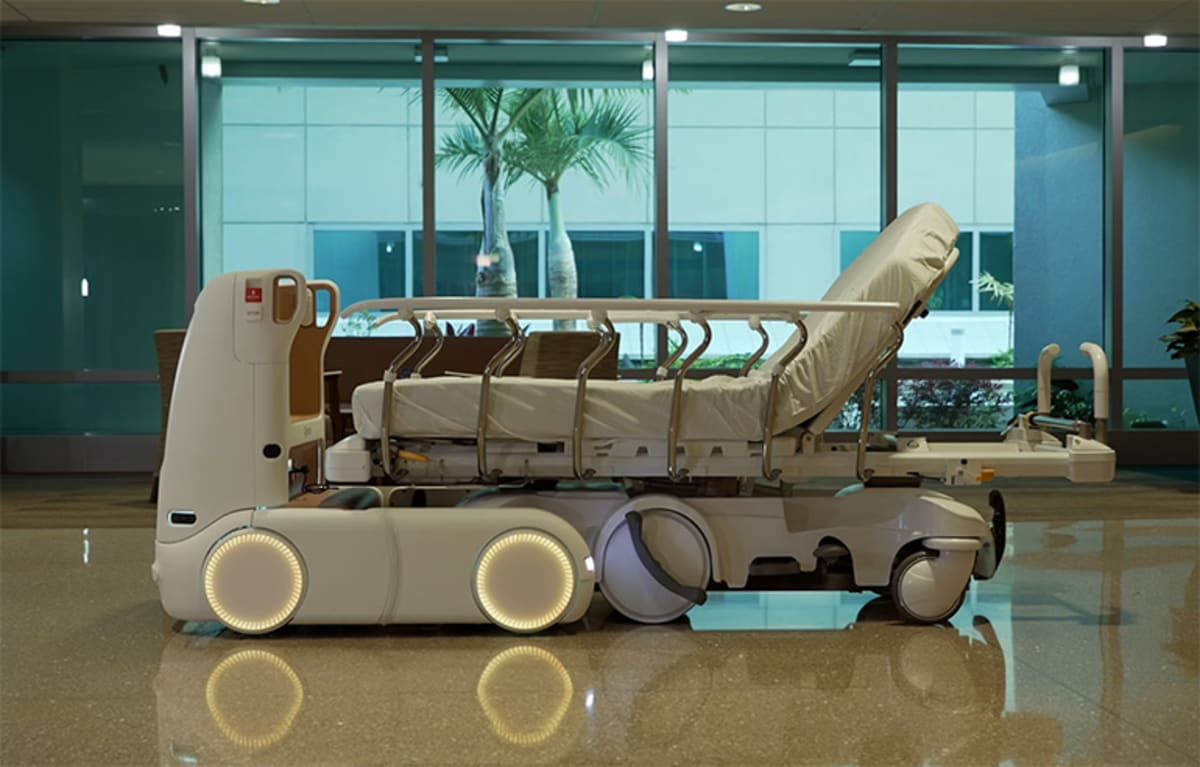
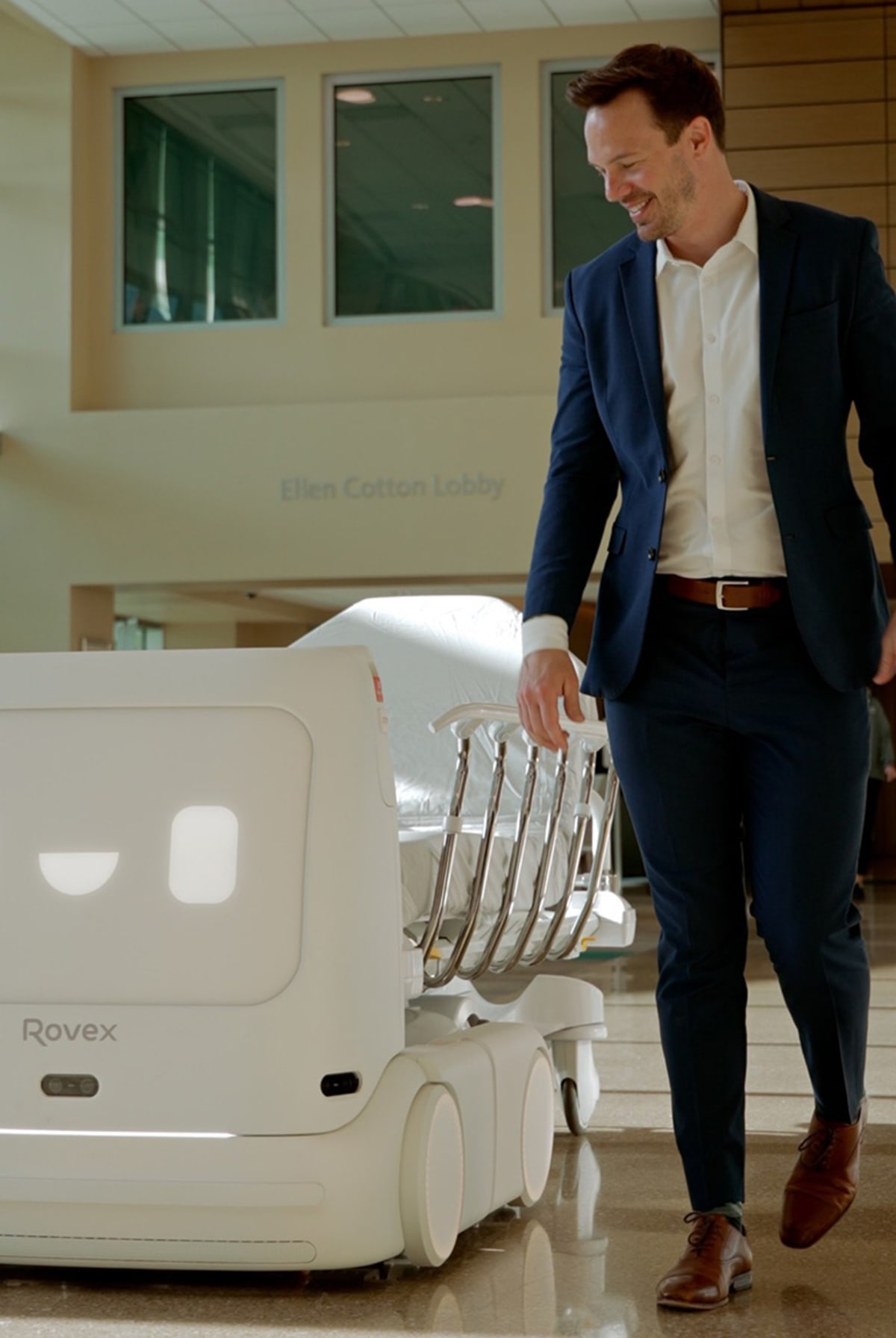
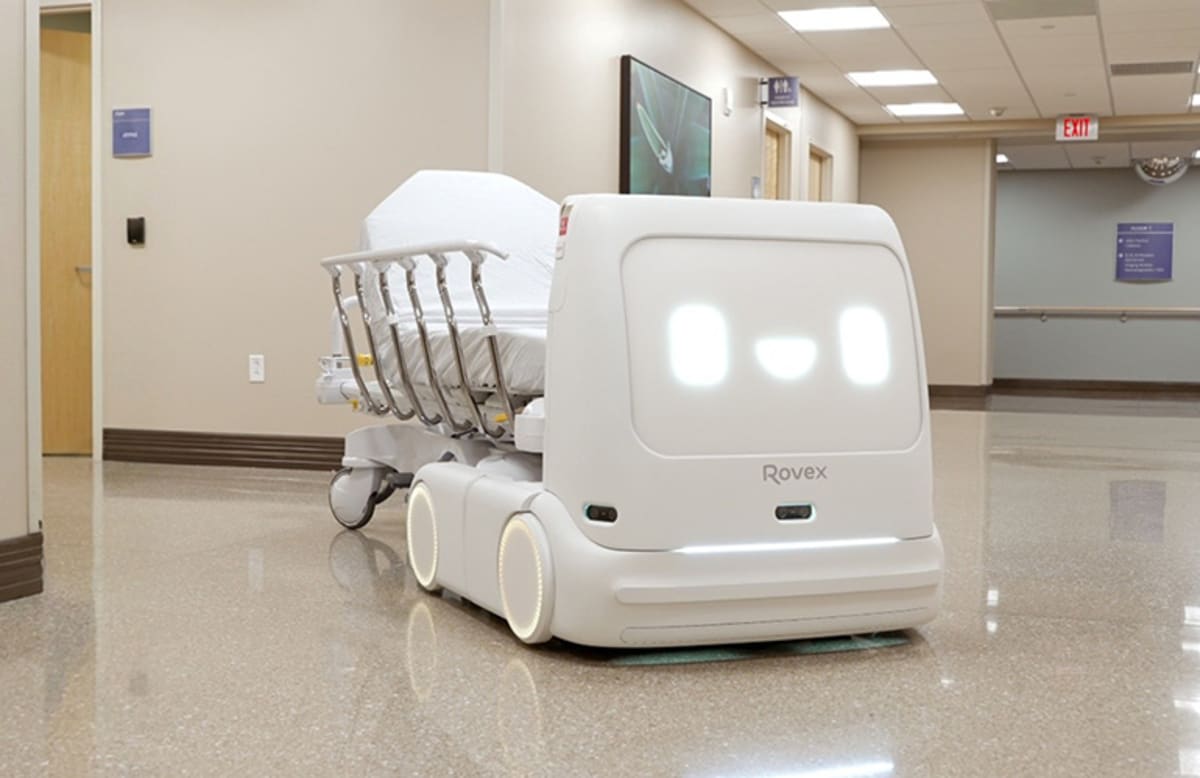
Morton Plant Hospital in Clearwater is testing an autonomous towing system created by Rovex Technologies. The robot latches onto existing hospital beds, stretchers, and wheelchairs, then safely navigates them through crowded hallways without requiring staff to push.
The idea sparked in the mind of Dr. David Crabb, an emergency room physician who noticed a troubling pattern. Patients needing imaging tests were spending over an hour traveling just 200 yards down the hall, creating bottlenecks that frustrated everyone and cost his hospital both revenue and patient satisfaction scores.
But Dr. Crabb also saw something else: hospital transporters were getting hurt at alarming rates. The job carries one of the highest injury rates in the United States, with some facilities seeing 100% staff turnover within a year. Workers were leaving after just six months, their bodies worn down from pushing heavy equipment all day.
Rather than replace human caregivers, the Rovex system frees them up for hands-on patient care. A transporter can still accompany patients who feel anxious or need extra attention, but the robot does the heavy lifting and navigation.
The technology's secret sauce isn't just avoiding obstacles. Rovex spent years perfecting how its robot grabs and controls free-spinning caster wheels, going through five iterations to get it right. An emergency stop button and quick-release mechanism ensure patient safety stays paramount.
The Ripple Effect
BayCare Health System, which operates 16 facilities across West Central Florida, is watching this pilot closely. If successful at Morton Plant, the robots could transform patient flow across the entire network.
The data collected during these test runs could prove even more valuable than the physical robots themselves. Every trip through chaotic hospital corridors teaches the system how to navigate more safely around unpredictable human behavior and endless workflow variations.
Vice President of Innovation Craig Anderson believes better patient care requires innovation across every hospital operation, not just at the bedside. His team is studying whether this technology can scale without compromising the safety standards healthcare demands.
For now, the robots are learning the hallways without patients aboard. Once they've mastered navigation in this real-world environment, they'll graduate to transporting people.
The vision is simple: let robots handle the logistics while humans focus on healing.
More Images
Based on reporting by The Robot Report
This story was written by BrightWire based on verified news reports.
Spread the positivity!
Share this good news with someone who needs it