Florida Hospital Tests Robot to Move Patients, Ease Staff Strain
A Florida hospital is piloting transport robots that could help overworked staff spend more time with patients and less time pushing stretchers. The technology aims to support hospital workers, not replace them.
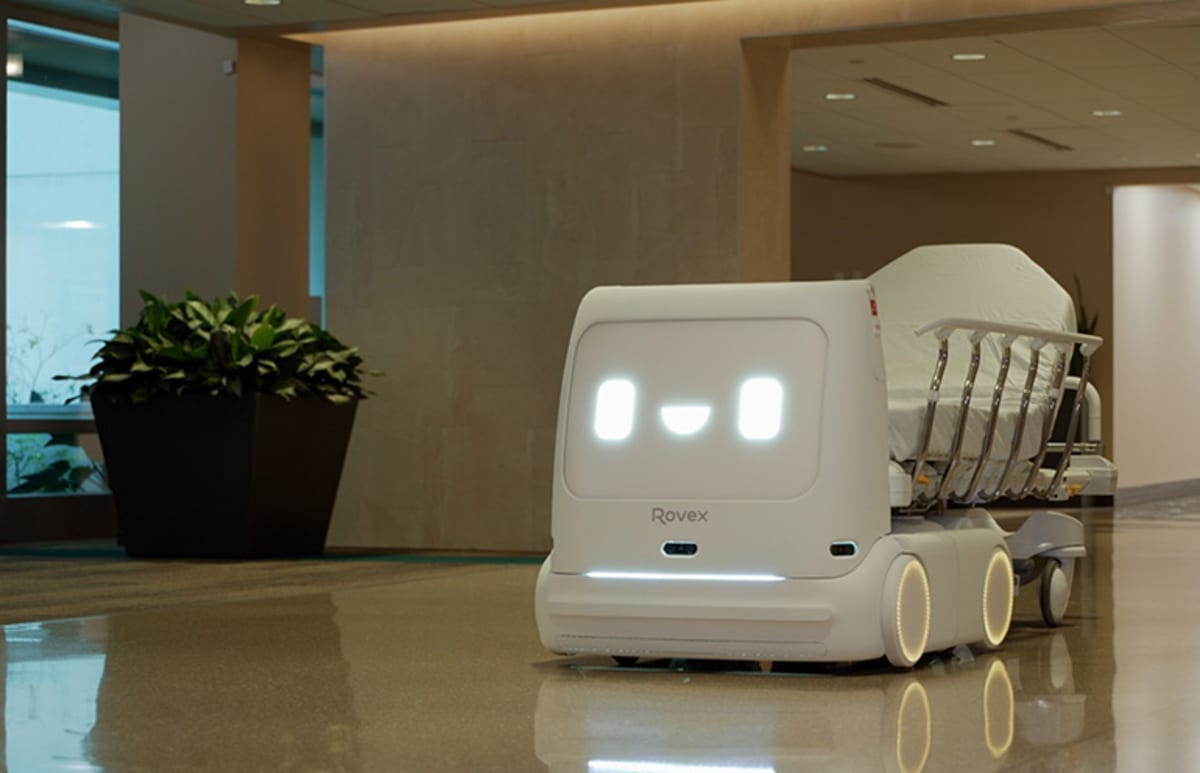
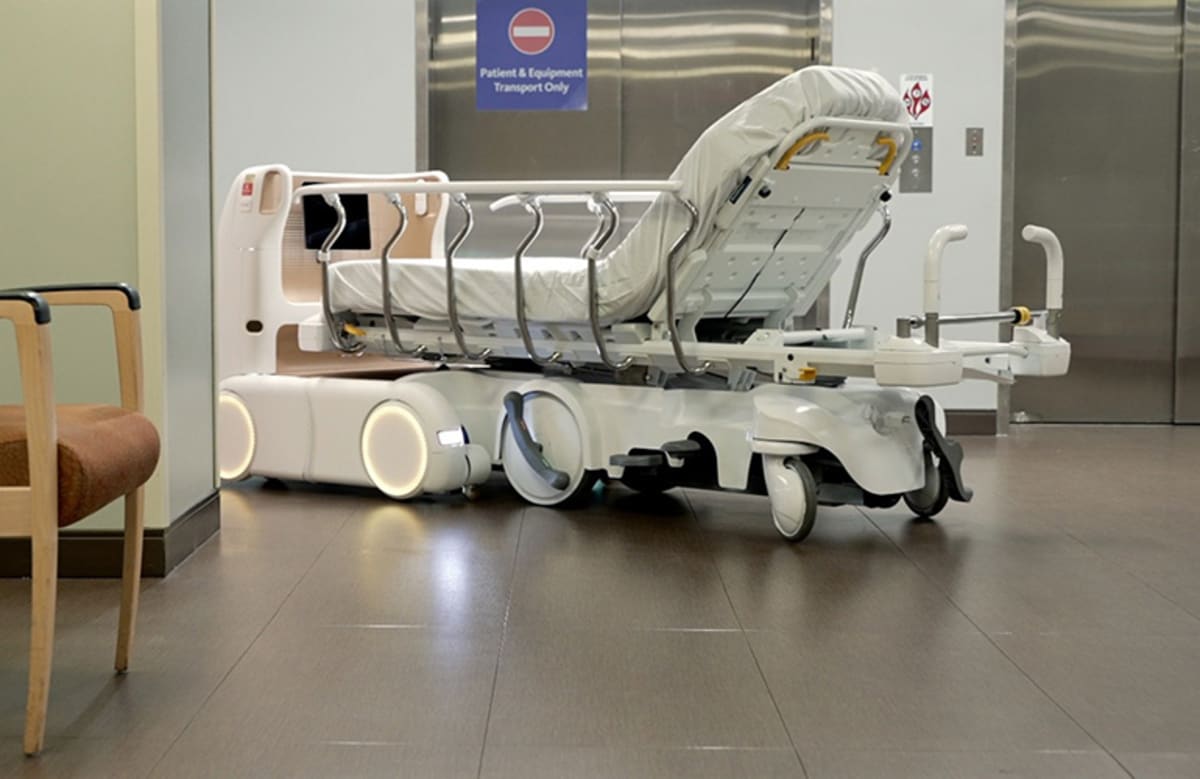
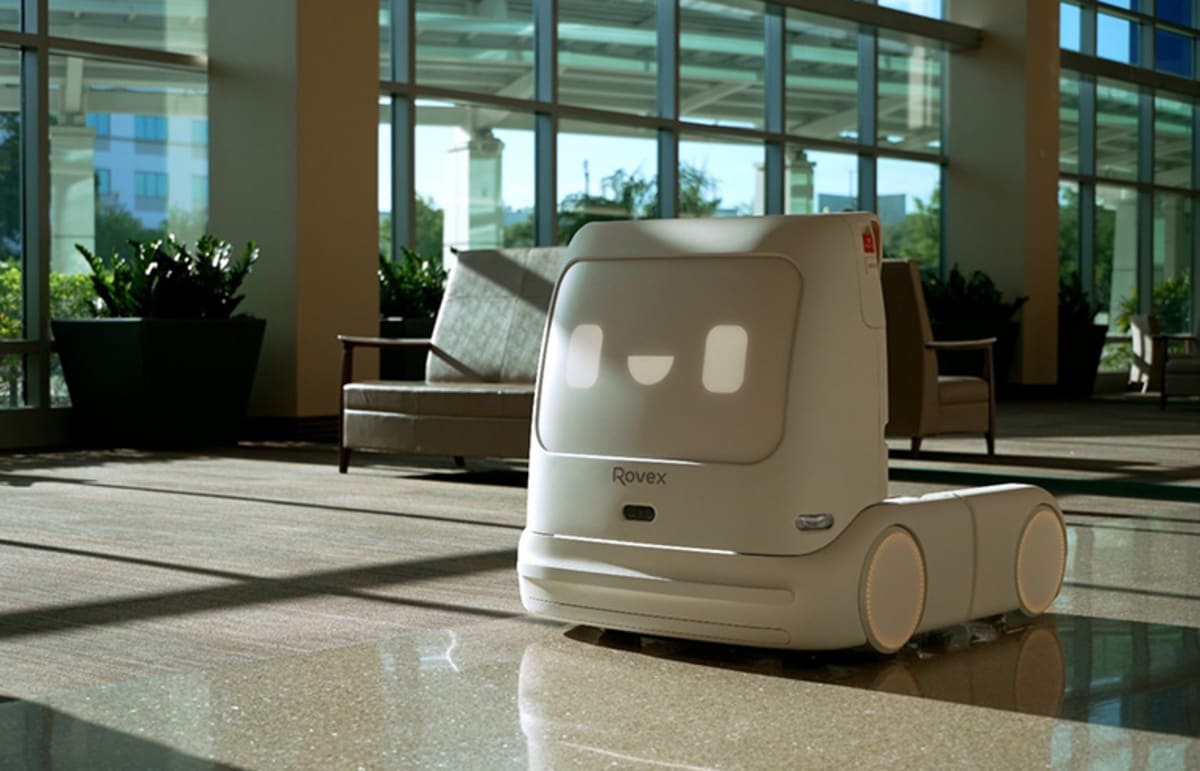
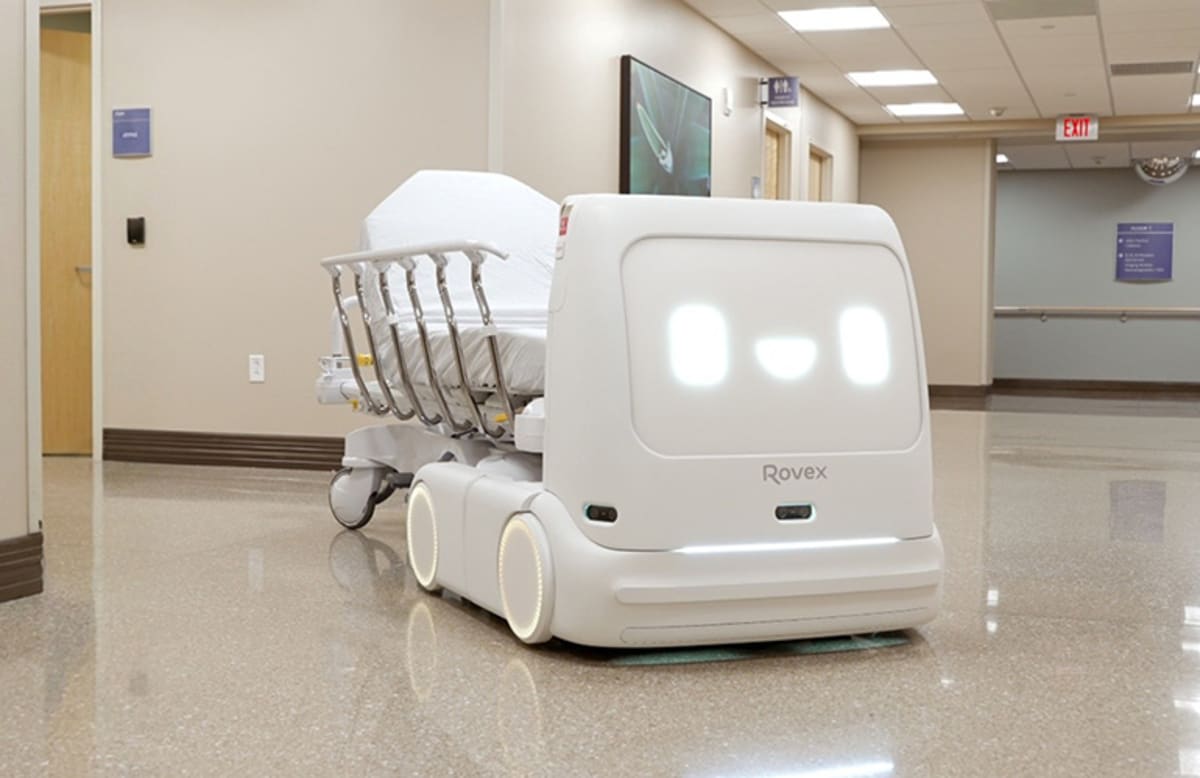
Hospital staff in Clearwater, Florida are getting an unusual new coworker: a robot designed to move patients through hospital hallways.
BayCare Health System partnered with startup Rovex this month to test autonomous transport robots at Morton Plant Hospital. The goal is simple but powerful: free up nurses and staff from physically demanding transport tasks so they can focus on patient care.
Dr. David Crabb founded Rovex in 2024 after years as an emergency physician watching providers pulled away from bedsides to handle operational tasks. "I saw firsthand how often providers are pulled away from direct patient care," he explained.
The timing matters. Hospitals across the country face severe staffing shortages while caring for an aging population. When patient transport gets delayed, it creates a ripple effect: imaging appointments back up, procedures get pushed, and stressed staff face higher injury risks.
The seven-month pilot takes a careful approach. Rovex isn't rushing patients onto robots just yet. Instead, the team is mapping workflows, studying hospital operations, and testing the system in controlled areas first.
Early reactions from hospital staff have been encouraging. Many employees find the robot approachable and visually compelling. Some have even asked when they'll get to ride it themselves, a response that surprised and delighted the Rovex team.
The Ripple Effect
This pilot represents something bigger than one hospital's efficiency gains. If successful, the technology could help hospitals nationwide make better use of their existing capacity without adding to their workforce burden.
BayCare chose to partner with Rovex because the company understands that better logistics directly improve patient care. The health system serves Tampa Bay and central Florida with 16 hospitals and hundreds of locations, making it an ideal testing ground for technology that needs to work at scale.
The robot is designed to support hospital teams, not replace them. During the pilot, Rovex staff will closely oversee the system while gathering feedback from the people who matter most: the healthcare workers using it daily.
As hospitals invest heavily in digital tools and artificial intelligence, Rovex is tackling the physical work that still defines hospital operations. Their approach recognizes a simple truth: when staff spend less time on manual tasks, patients get more attention.
The pilot will gradually expand from controlled areas to busier hospital environments, building toward the long-term goal of fully autonomous patient transport that keeps healthcare focused on humans helping humans.
More Images
Based on reporting by The Robot Report
This story was written by BrightWire based on verified news reports.
Spread the positivity!
Share this good news with someone who needs it