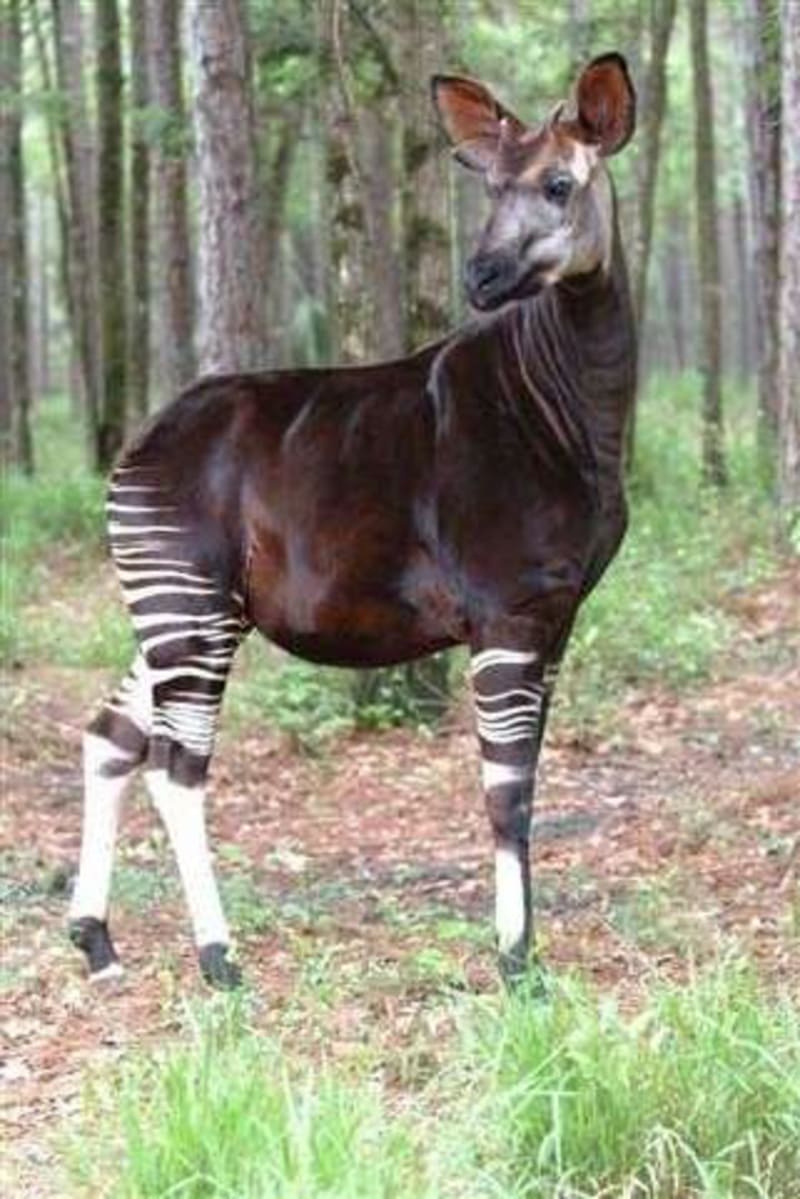
Florida Lab Freezes Hope for Endangered Okapi, Gerenuk
Scientists at Florida's White Oak Conservation Center are using cutting-edge freezing technology to save endangered species without removing more animals from the wild. Their breakthrough could preserve genetic diversity for creatures like okapi and gerenuk for generations.
A research team in North Florida is giving endangered animals a fighting chance by freezing their future, one sperm sample at a time.
The White Oak Conservation Center, nestled on 600 acres along the St. Mary's River, has mastered a technique that could revolutionize how we save species from extinction. Scientists there are using artificial insemination to transport genetic material from wild animals to captive populations, protecting endangered species without taking more animals from their natural habitats.
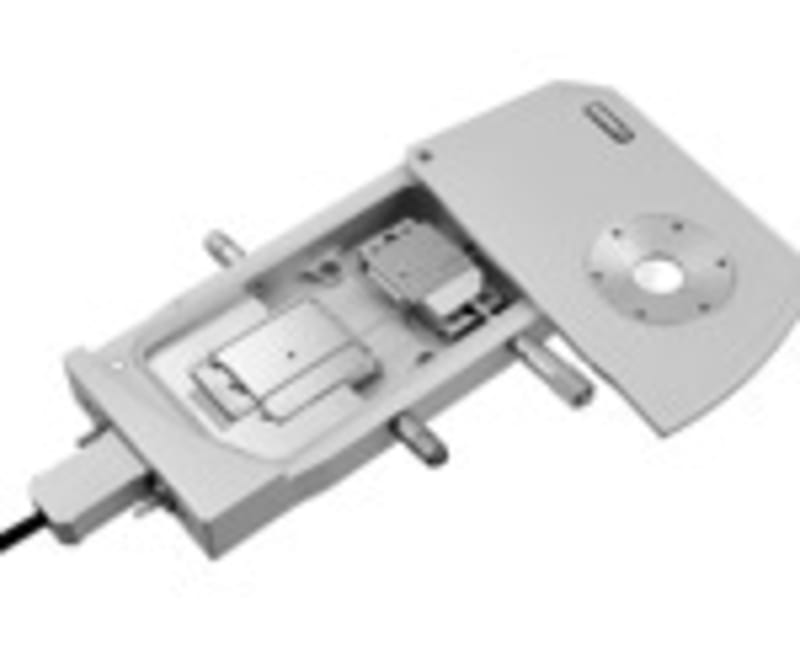
Dr. Penfold and her team focus on critically endangered animals like the okapi, a rare giraffe relative from the Congo, and the gerenuk, a graceful antelope from Kenya. Using a specialized microscope stage that controls temperature with pinpoint accuracy, they can freeze and thaw sperm samples while keeping the genetic material viable.
The process sounds like science fiction but works beautifully in practice. A tiny sperm sample gets placed on a microscope slide, then cooled at carefully programmed rates. The team can watch ice crystal formation in real time, adjusting their technique to maximize success. After rewarming to body temperature, they check whether the sperm survived the deep freeze.
Founded in 1982 by philanthropist Howard Gilman, White Oak sits surrounded by nearly 7,000 acres of protected pine forest and wetlands. The center has become a leader in developing holistic approaches to saving imperiled wildlife through research, education, and hands-on conservation work.
The technology offers hope beyond the lab walls. Teams from White Oak work directly with wild populations in continental Africa, studying breeding habits and natural behaviors of gerenuk in Kenya. They plan to expand their fieldwork to include okapi in the Congo, combining on-the-ground research with cutting-edge reproductive science.
The Ripple Effect
This work creates possibilities that ripple far into the future. Every frozen sample represents genetic diversity that might otherwise be lost forever. Captive breeding programs can now access genes from wild populations without the stress and risk of capturing additional animals.
The precision required is remarkable. Without stable temperature control during freezing and thawing, the delicate sperm cells would die, taking their irreplaceable genetic information with them. Dr. Penfold's setup allows her to test multiple freezing protocols on small samples, perfecting techniques before applying them to precious genetic material.
White Oak's mission reaches beyond individual species. By developing and sharing these assisted reproductive techniques, they're creating a blueprint other conservation centers worldwide can follow. Each success story adds another tool to humanity's conservation toolkit.
The okapi population faces serious threats from habitat loss and hunting in the Democratic Republic of Congo. Gerenuk numbers continue declining across their East African range. For these animals, frozen genetic material might mean the difference between recovery and extinction.
One tiny vial of properly frozen sperm can carry the genetic legacy of a wild animal across continents and decades, giving future conservationists options we're only beginning to understand.
More Images

Based on reporting by Google: species saved endangered
This story was written by BrightWire based on verified news reports.
Spread the positivity!
Share this good news with someone who needs it


%2Fhttps%3A%2F%2Ftf-cmsv2-smithsonianmag-media.s3.amazonaws.com%2Ffiler_public%2F6c%2F5f%2F6c5f3401-48da-41c5-8eb0-c7f99032b198%2F11_nabarlek_on_augustus_island__ian_bool.jpg)