Florida Panthers Rebound from 20 to 200 in Three Decades
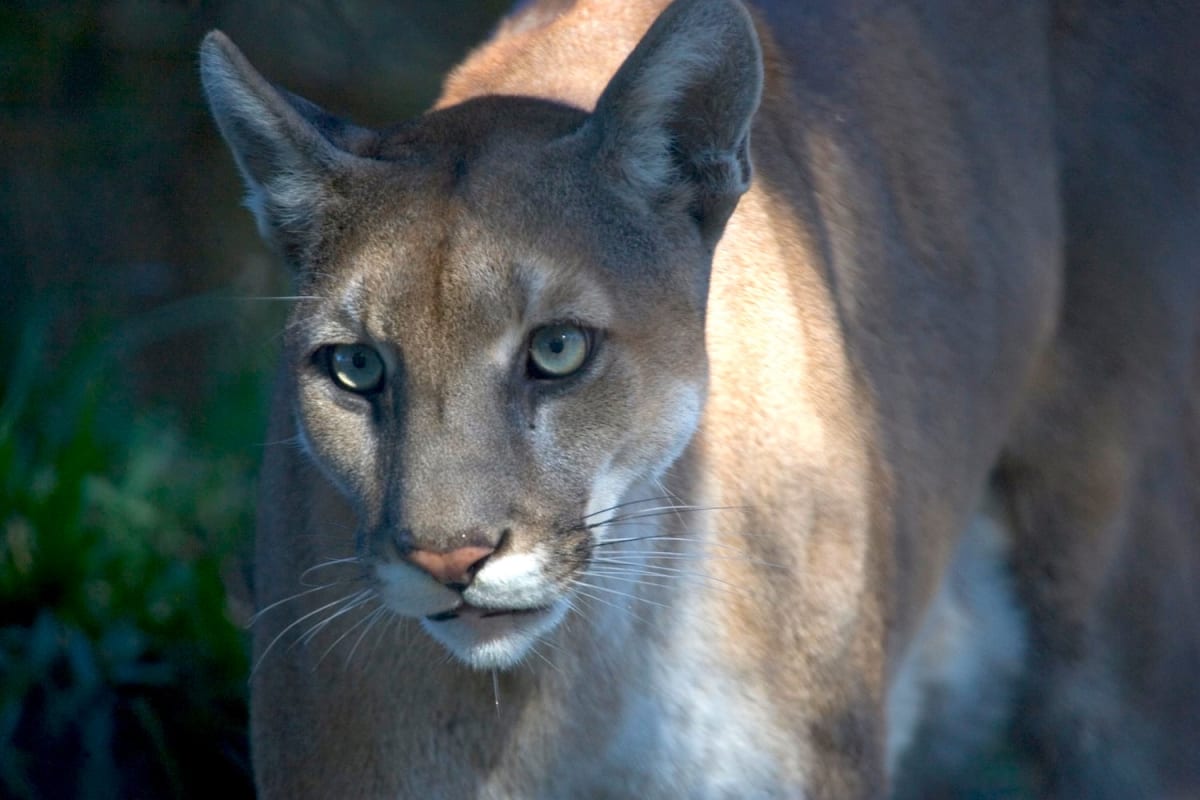
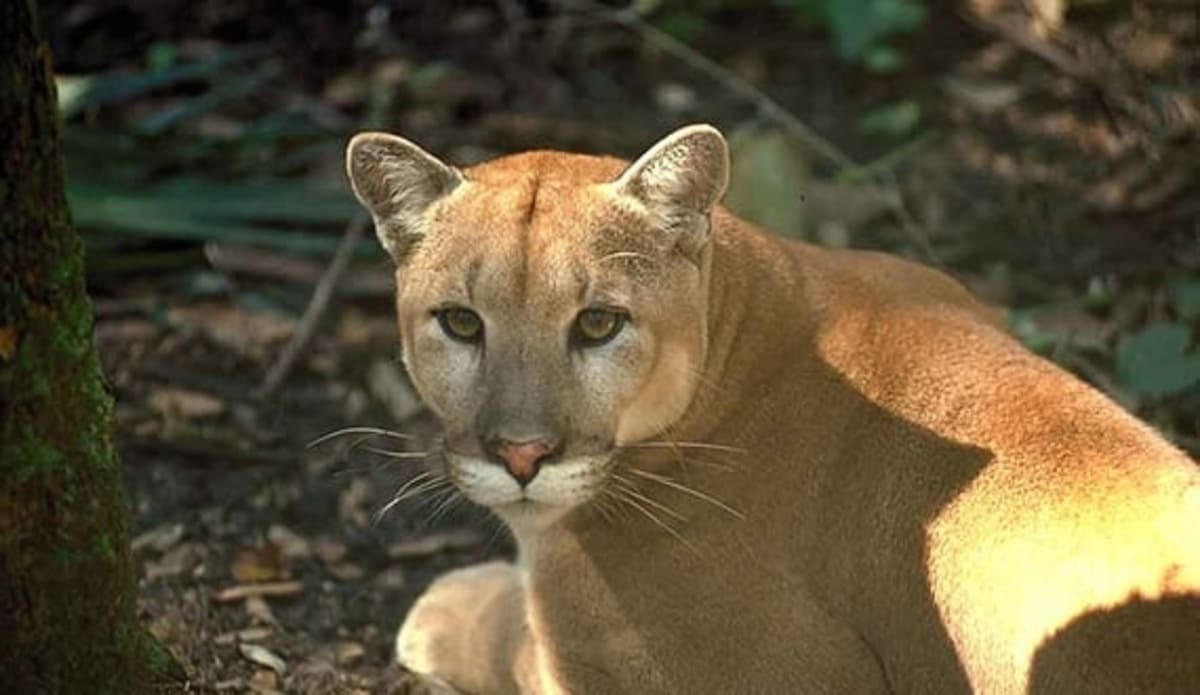
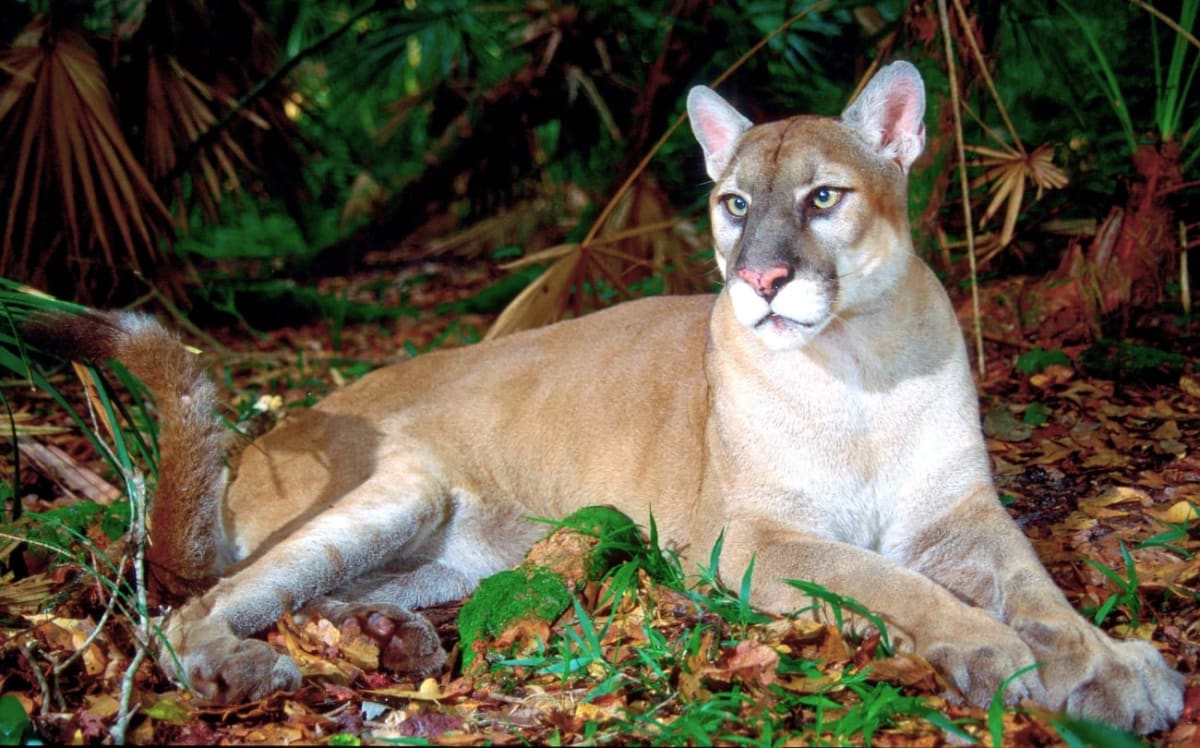
Once down to just 20 survivors in the 1990s, Florida's state animal has made a remarkable comeback through groundbreaking conservation efforts. Today, about 200 panthers prowl the wilderness of South Florida, proving that determined scientists can bring a species back from the brink.
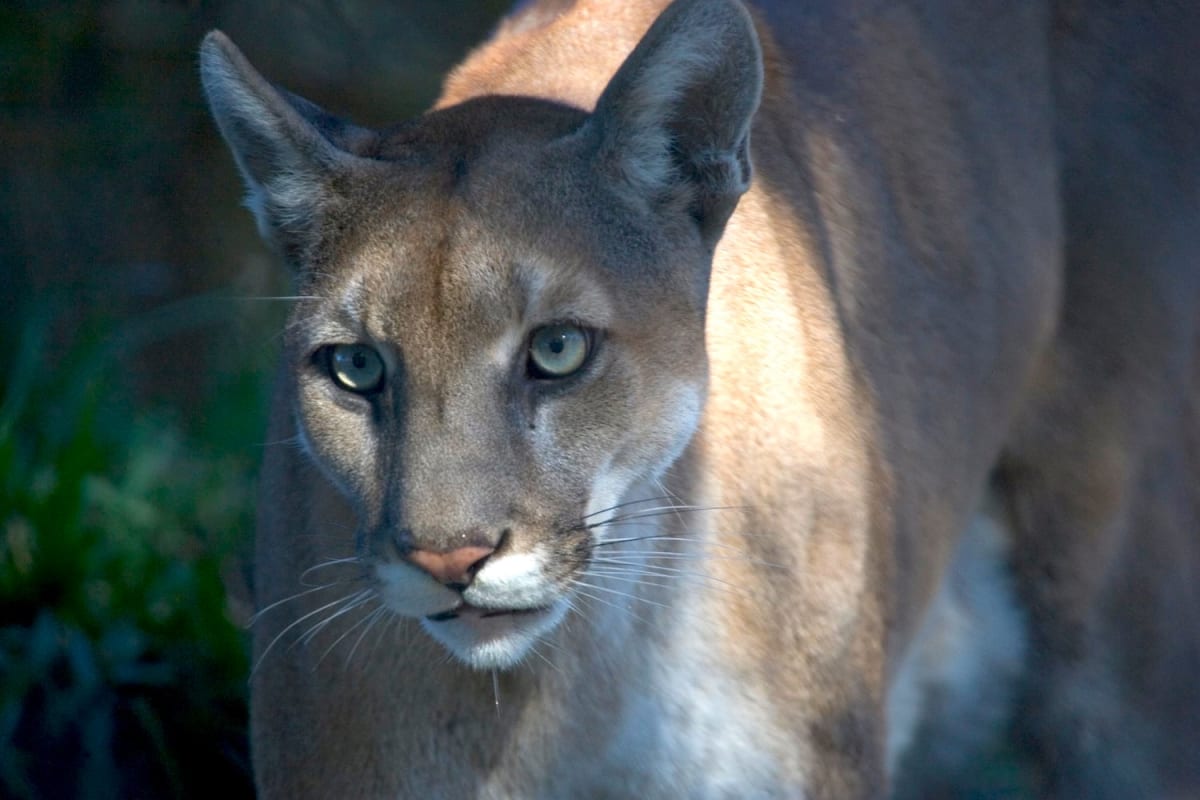
Florida panthers were nearly wiped off the map in the 1990s, with only 20 left alive. Today, thanks to an unprecedented rescue effort by scientists and veterinarians, roughly 200 of these majestic cats roam South Florida's wilderness.
The story of their survival reads like a conservation miracle. By 1958, hunters had killed so many panthers that Florida finally banned hunting them. But it was almost too late.
When the Florida panther appeared on the first federal endangered species list in 1967, some state officials mocked the listing. They were convinced the big cats were already extinct.
The World Wildlife Fund hired legendary Texas tracker Roy McBride to find out for sure. He turned his tracking dogs loose in the swamps near Lake Okeechobee and found one scrawny female and signs of a few others hanging on.
What followed was decades of dedicated conservation work. Scientists began radio collaring panthers to track their movements and understand their needs. Veterinarians discovered the remaining cats were suffering from genetic defects caused by inbreeding in such a small population.
The rescue effort got a major boost in 1970 when President Richard Nixon canceled plans for a massive jetport in Big Cypress Swamp. The following year, Congress bought the swamp and turned it into the Big Cypress National Preserve, protecting critical panther habitat from development.
These apex predators, which can weigh up to 160 pounds and stretch eight feet from nose to tail, now roam protected areas including the Florida Panther National Wildlife Refuge, Big Cypress National Preserve, and Everglades National Park. They help keep South Florida's ecosystem balanced by controlling populations of deer, hogs, and raccoons.
The Ripple Effect
The panther's comeback shows how protecting one species can save an entire ecosystem. As apex predators, panthers prevent overpopulation of prey animals that could otherwise damage biodiversity across South Florida. Their recovery has helped restore the natural balance that keeps forests and wetlands healthy.
The conservation success also demonstrates the power of the Endangered Species Act when given time to work. From Native Americans who viewed panthers as worthy of worship to modern schoolchildren who voted to make them Florida's state animal in 1981, these cats have captured human imagination for centuries.
The journey from 20 survivors to 200 thriving panthers proves that extinction doesn't have to be inevitable.
More Images

Based on reporting by Google: species saved endangered
This story was written by BrightWire based on verified news reports.
Spread the positivity!
Share this good news with someone who needs it