Florida School Ditches Clock Time for Real Learning Progress
A Miami public school just became the first in Florida to let students advance based on what they've actually learned, not how many hours they've sat in class. Venetian Parc Academy is proving education can be personalized, tech-powered, and accessible to all.
Kids learn at different speeds, and finally, one Florida school is letting them prove what they know instead of just watching the clock.
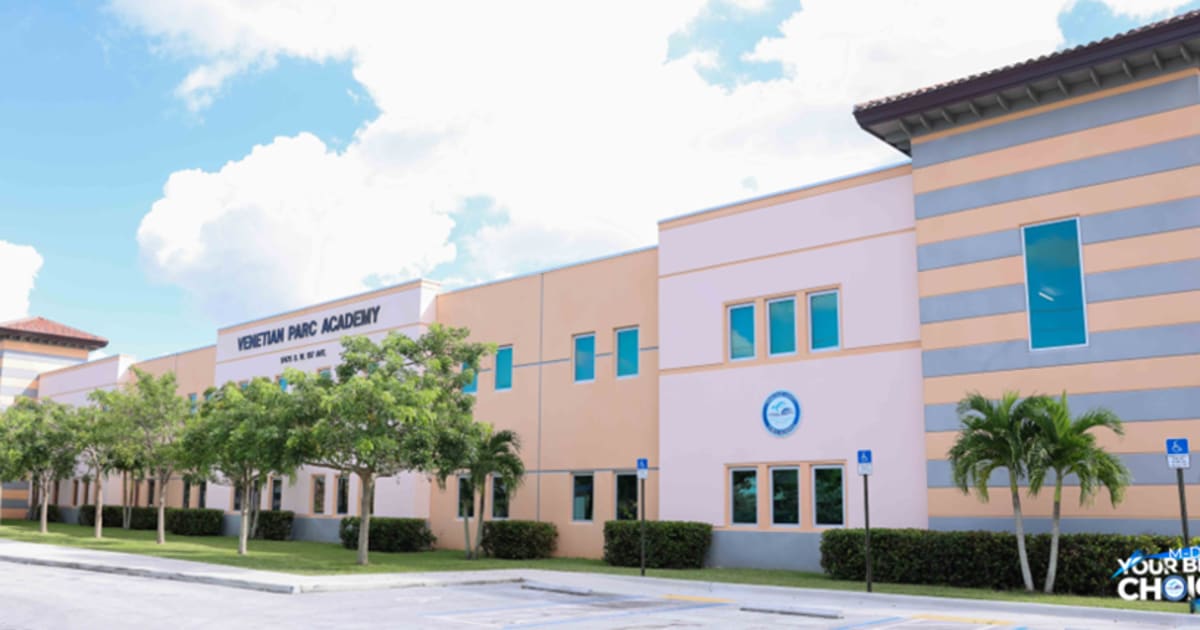
Venetian Parc Academy in Miami-Dade County became Florida's first Innovation School of Technology in July, earning state approval to throw out traditional seat-time requirements. Students can now advance when they master a subject, not when a calendar says they should.
The academy opened this school year serving prekindergarten through second grade, with plans to add one grade annually until it becomes a full pre-K through eighth grade school. Families from across Miami-Dade County can apply, making this personalized approach available to students from all backgrounds.
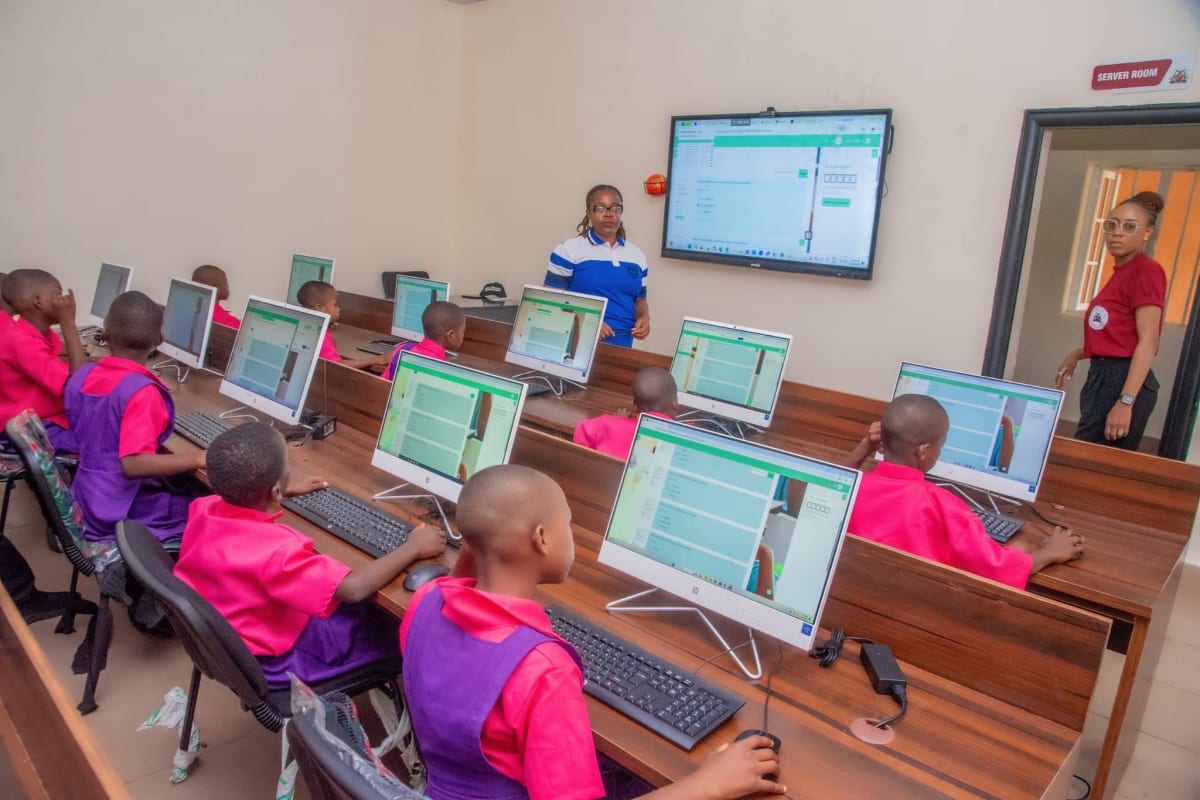
Here's how it works: students use self-paced instruction, hands-on projects, and tech tools like Google Chromebooks and Khan Academy to learn. When they demonstrate they've mastered a skill, they move forward. When they need extra help, teachers step in with targeted support before they advance.
Teachers act as mentors and coaches, using real-time performance data to tailor lessons to each child's needs. Parents get digital dashboards showing exactly which skills their kids have mastered and where they might need extra practice at home.
The school plans to use artificial intelligence tools for instruction and assessment, with strict student privacy protections in place. This isn't about replacing teachers with technology but giving educators better tools to meet each student where they are.
The Ripple Effect spreads beyond just one classroom. By proving that competency-based learning works in a public school setting, Venetian Parc is creating a blueprint other Florida districts can follow. The model challenges the industrial-era idea that all students must learn the same material at the same pace in the same amount of time.
Best of all, there's no academic screening for admission. Any interested student can apply, and if applications exceed available seats, spots are awarded through a lottery. The district plans to set up transportation hubs based on where enrolled students live, removing another common barrier to innovative education.
Students still meet Florida's academic standards and take state assessments, so this isn't about lowering expectations. It's about raising them by insisting students truly master material before moving on, rather than advancing simply because the school year ended.
When schools trust students to show what they know on their own timeline, learning becomes less about compliance and more about genuine growth.
More Images



Based on reporting by Google News - School Innovation
This story was written by BrightWire based on verified news reports.
Spread the positivity!
Share this good news with someone who needs it