Florida Scientist Breaks Stereotypes in Viral Everglades Work
A tattooed microbiologist studying wetland soil in the Everglades is going viral for showing that scientists don't have to look a certain way. His research on floc could reveal how human activity has changed one of Florida's most important ecosystems.
📺 Watch the full story above
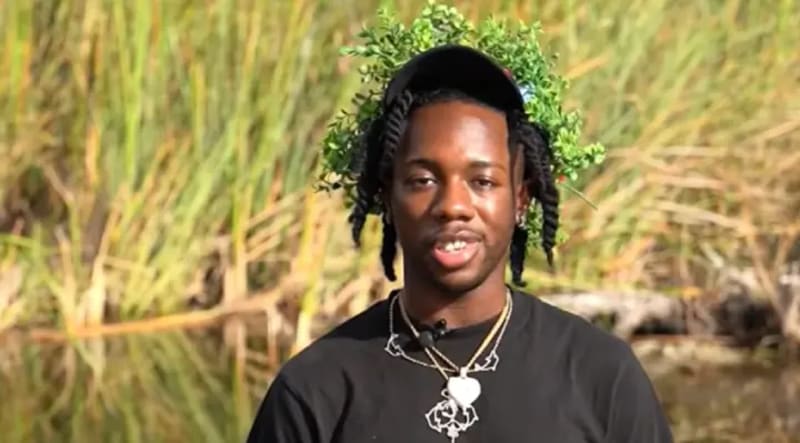
Jordon King doesn't look like what many people picture when they think "scientist," and that's exactly why millions are watching his work.
The Florida International University graduate is making waves on social media by combining his research in Everglades National Park with an authentic personal style that's challenging assumptions about who belongs in science. King studies floc, a loose organic material in wetland soils that holds vital clues about ecosystem health.
His work matters more than most people realize. Floc helps form the sediment that allows plants to grow, which in turn supports the animals that depend on those plants for food. When floc disappears or changes, the entire ecosystem can begin to collapse.
Over the past year, King collected more than 200 soil samples to understand how freshwater restoration and other human activities have affected the Everglades over time. The Everglades remains one of Florida's most important research hubs, yet scientists still don't have answers to many questions about how this unique ecosystem functions.
Getting to this point required persistence. King reached out to about 40 professors before a single one agreed to support his research, a rejection rate that would have stopped many aspiring scientists in their tracks.
Instead of keeping his work confined to academic journals, King started sharing his field research on social media. His videos breaking down complex environmental science in everyday language quickly gained traction, attracting viewers who connected with both his passion for the work and his willingness to be himself.
Why This Inspires
King's success sends a powerful message to young people who might not see themselves reflected in traditional images of scientists. "I feel like you shouldn't judge a book by its cover," he says, noting that many commenters mention this exact phrase when they discover what he does.
His personal style and authenticity have become his greatest strengths. By refusing to conform to outdated expectations of what a scientist should look like, King is opening doors for others who might have assumed science wasn't for them.
King plans to continue his Everglades research while using his social media platform to educate others about invasive species, ecosystem health, and the importance of environmental conservation. He's proof that passion and knowledge matter far more than appearance, and that science becomes stronger when it welcomes diverse voices and perspectives.
Based on reporting by Sunny Skyz
This story was written by BrightWire based on verified news reports.
Spread the positivity!
Share this good news with someone who needs it