Florida Scientists Racing to Save Rare Salamander
Conservationists are saving endangered frosted flatwoods salamander eggs one by one, raising them in captivity to give the tiny creatures a fighting chance. It's painstaking work, but it's keeping an entire species from disappearing forever.
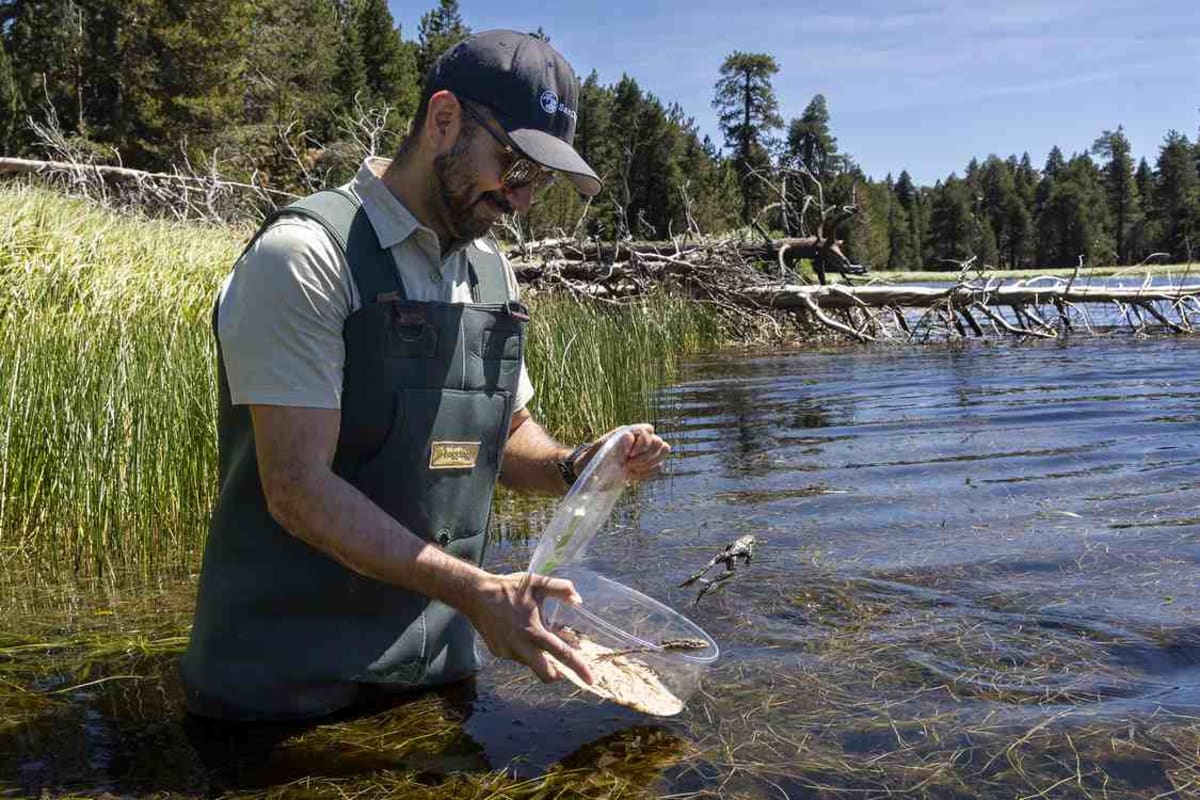
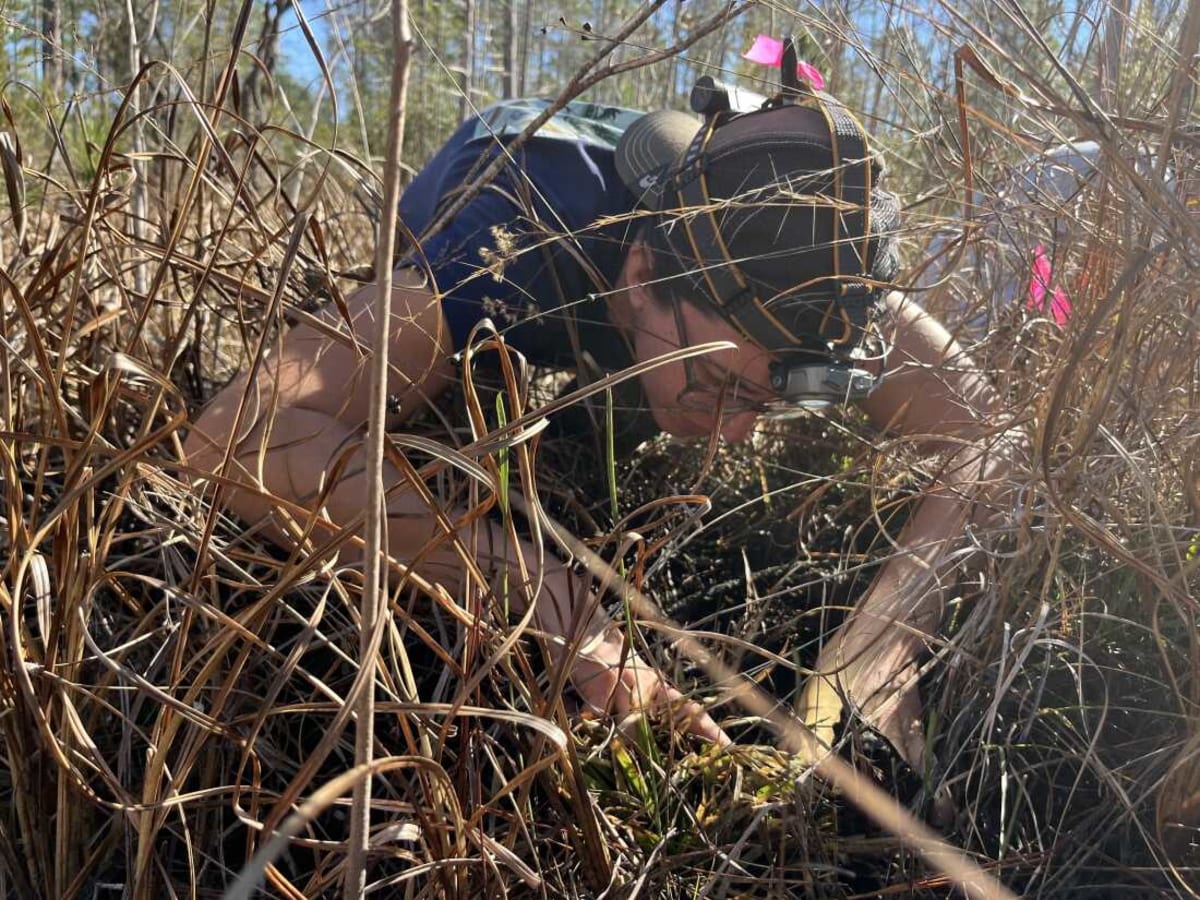
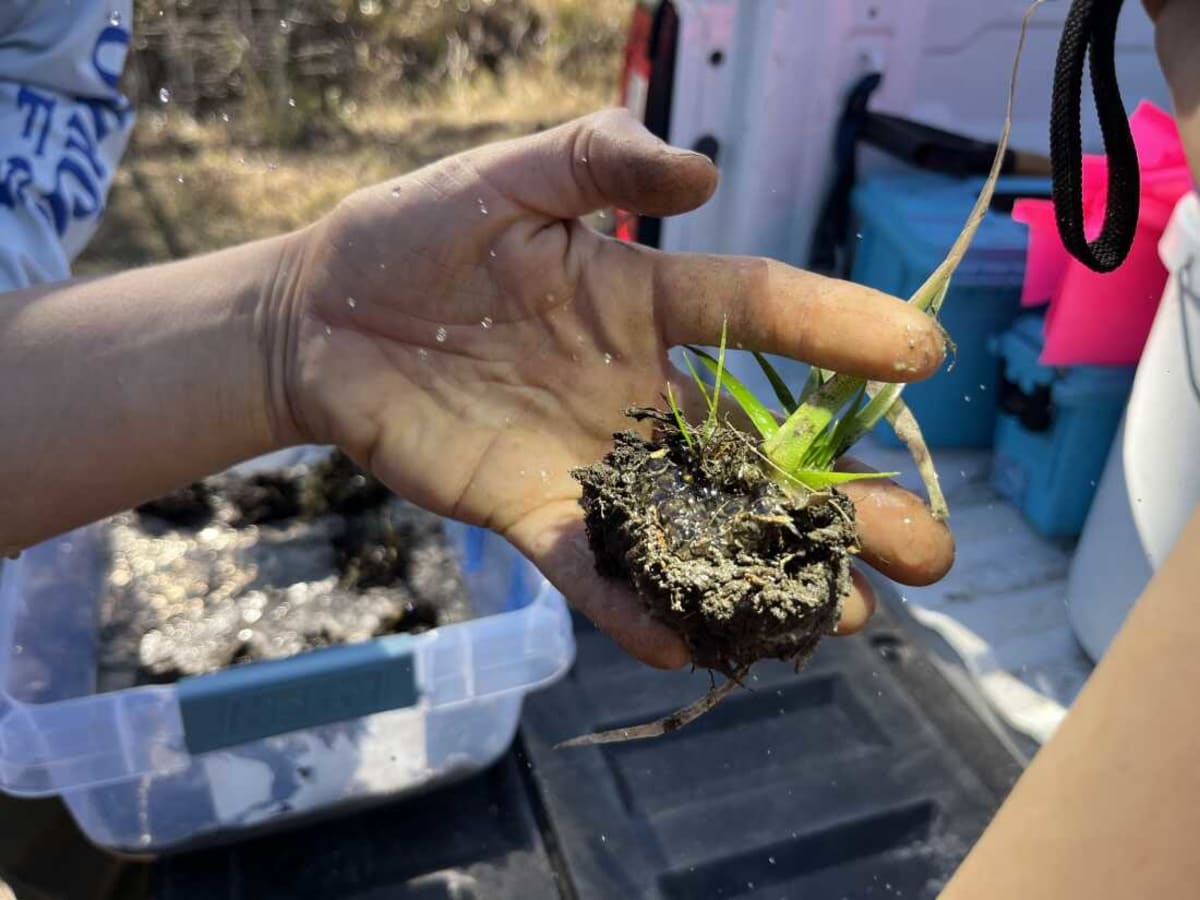
Nicole Dahrouge crawls through a Florida bog on her hands and knees, searching for salamander eggs that most people will never see. She's hunting for one of North America's rarest amphibians, and every egg she finds could mean the difference between survival and extinction.
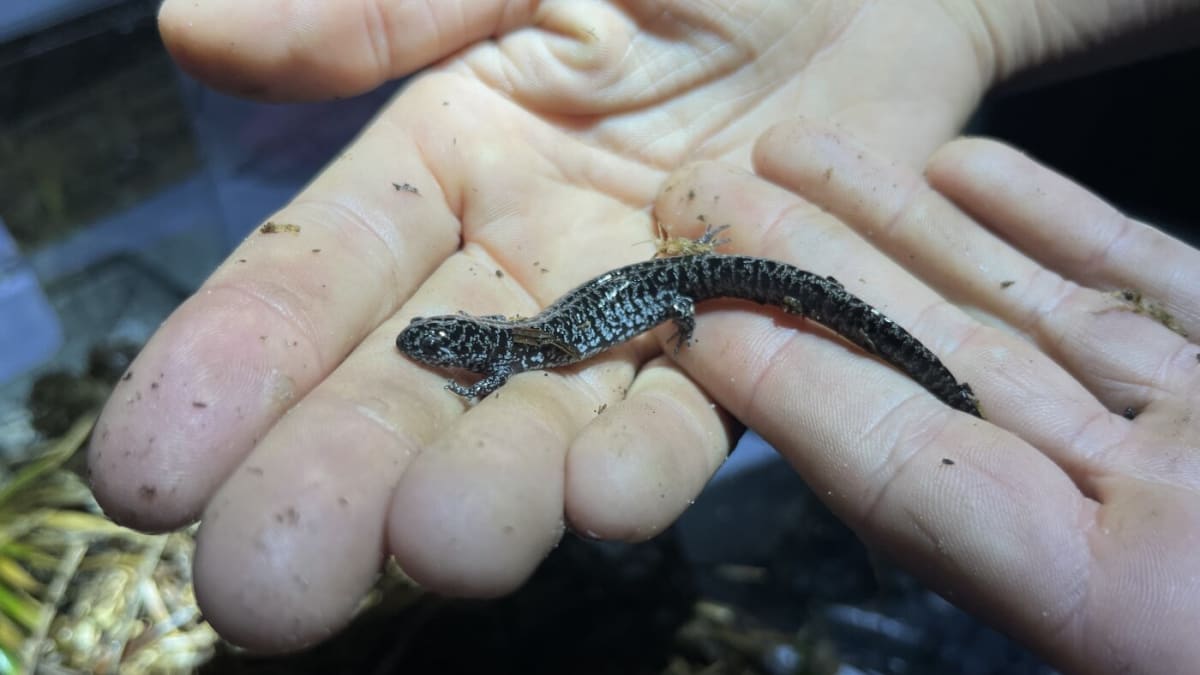
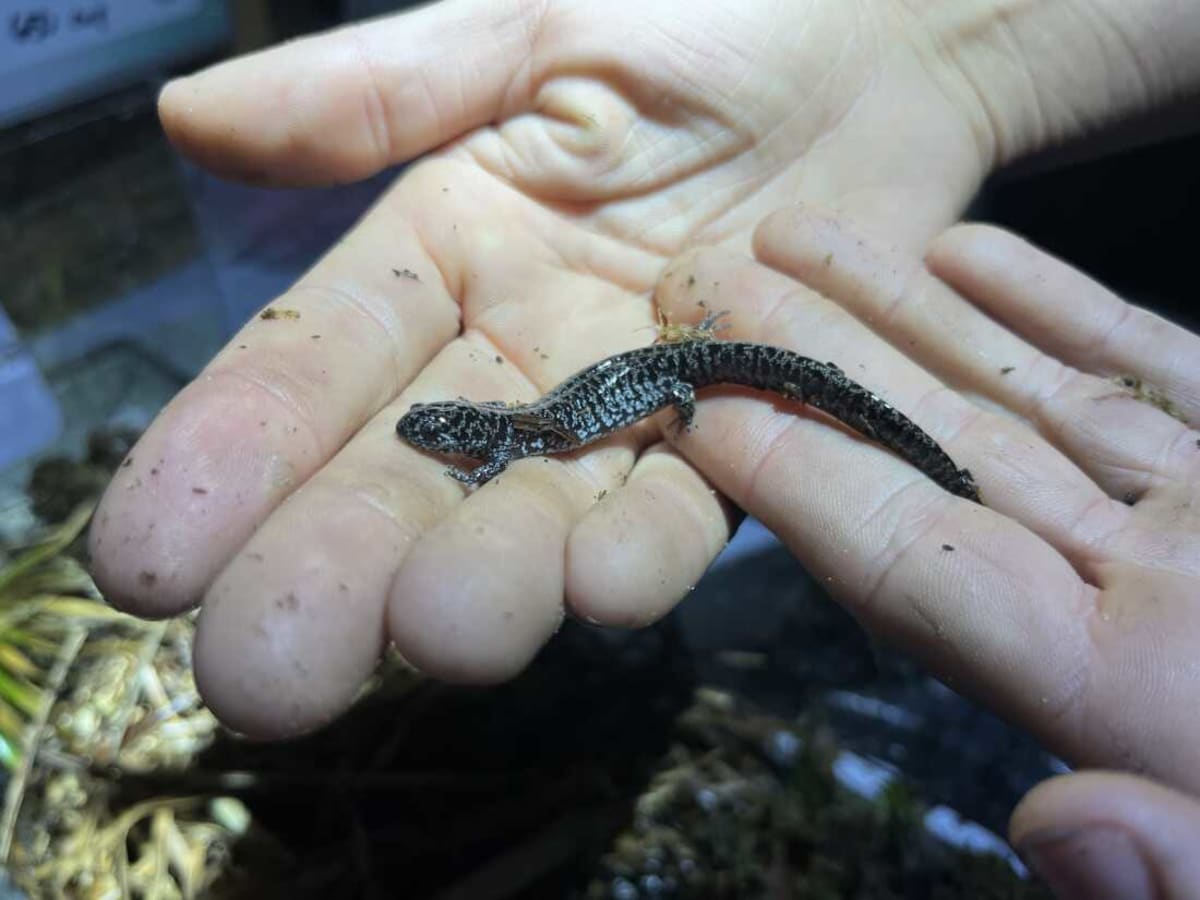
The frosted flatwoods salamander, nicknamed "frosties" by the scientists who love them, is teetering on the edge of what biologists call an extinction vortex. That's the point where a species' population becomes so small that its problems start to compound fatally.
Dahrouge works for the Amphibian and Reptile Conservancy near Tallahassee. Her job is to find salamander eggs in ephemeral ponds before nature's odds catch up with them.
In the wild, frostie survival rates are extremely low. The salamanders lay their eggs each fall in temporary ponds that must flood at just the right time. If winter rains come too late, the eggs dry out. If they come too early, the larvae can get stranded.
Once they hatch, things don't get easier. "Everything eats them," Dahrouge says. "They're just like little protein gummy bears."
So she collects the eggs and raises them in captivity, giving them safe passage through their most vulnerable life stages. It's exhausting work with no end in sight, but it's working.
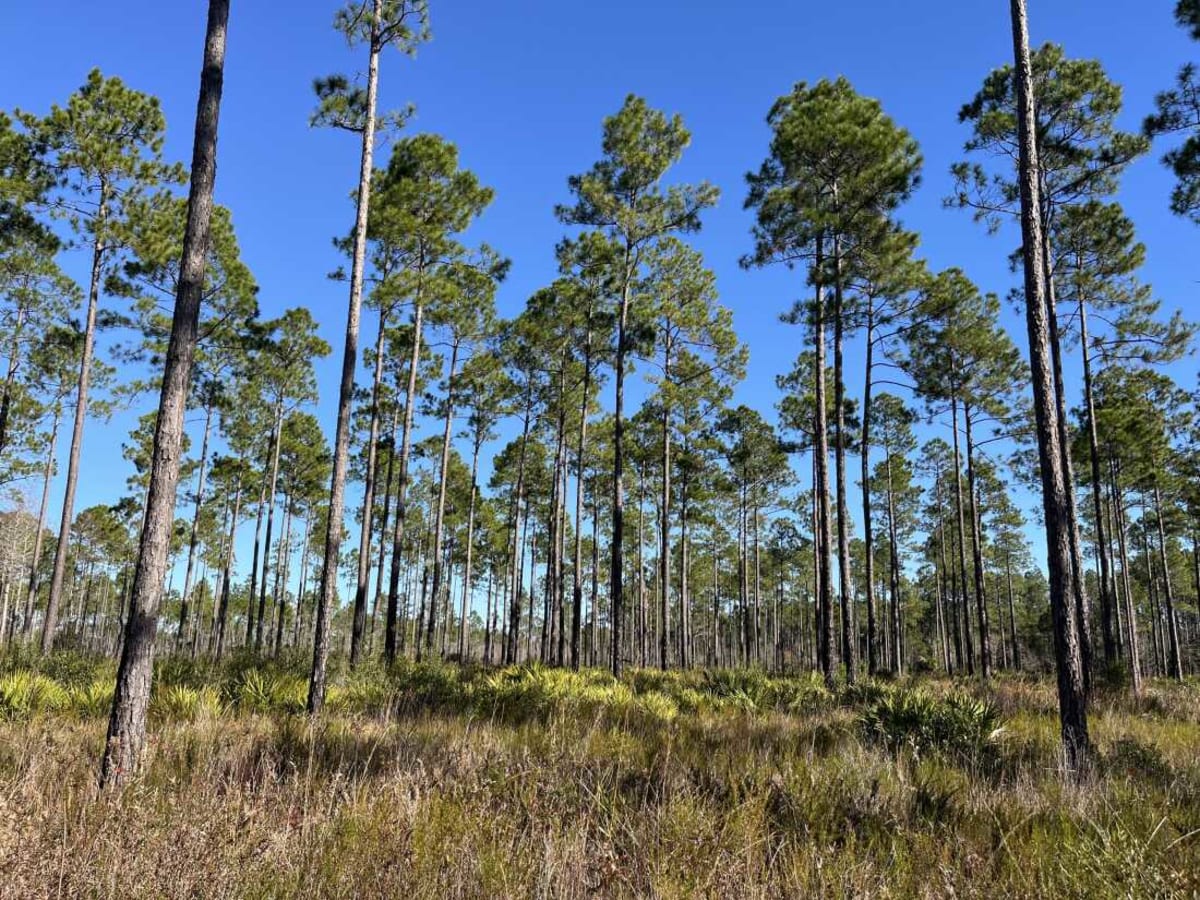
The bigger problem is habitat loss. Frosties live exclusively in longleaf pine forests, once a dominant ecosystem stretching from Virginia to Texas. Today, logging, agriculture, and development have wiped out 97% of these forests.
The remaining 3% exists in scattered patches where frosties and other rare species cling to survival. Fire suppression has made things worse since longleaf ecosystems depend on regular low-intensity wildfires to stay healthy.
The U.S. Fish and Wildlife Service listed frosties as threatened in 2009. A 2019 review recommended upgrading them to endangered status, but seven years later, that hasn't happened.
The Bright Side
Despite the challenges, conservationists are making real progress. Captive breeding programs are boosting salamander numbers, buying time for habitat restoration efforts to take effect. Organizations are working to restore longleaf pine forests across the Southeast, replanting native species and reintroducing controlled burns.
JJ Apodaca, the conservancy's executive director, knows the work is massive. "When we let species get to this point, it's so much effort and resources to get it back," he says. "But we either do this now or we watch them go extinct."
For now, Dahrouge keeps crawling through bogs, one egg at a time. The frosties, with their beautiful spiderweb patterns against black skin, spend most of their lives underground in burrows. Few people will ever see one in the wild.
But thanks to scientists willing to get muddy, future generations might still have that chance.
More Images
Based on reporting by NPR Science
This story was written by BrightWire based on verified news reports.
Spread the positivity!
Share this good news with someone who needs it