Florida Seawalls Get Marine Life Makeover with Mangroves
South Florida homeowners are installing living mangrove planters on seawalls to bring fish and oysters back to their canals. These textured, wildlife-friendly designs could help reverse a century of habitat loss along coastlines.
South Florida's waterfront properties are getting a stunning upgrade that has nothing to do with luxury and everything to do with life.
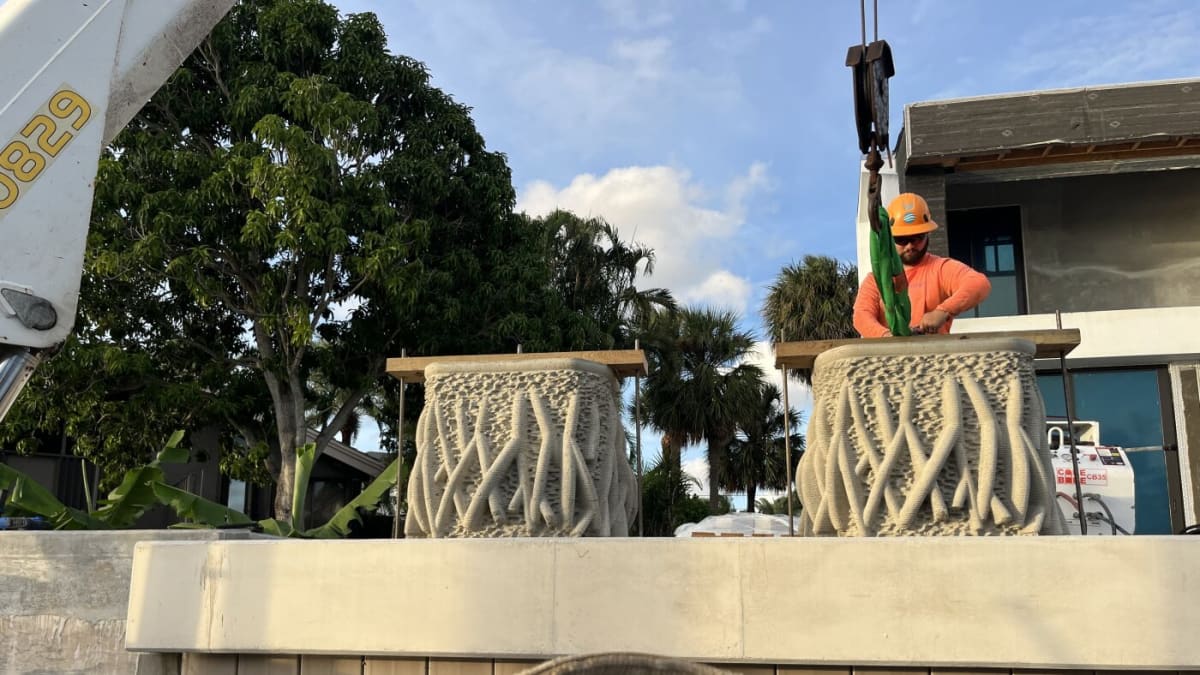
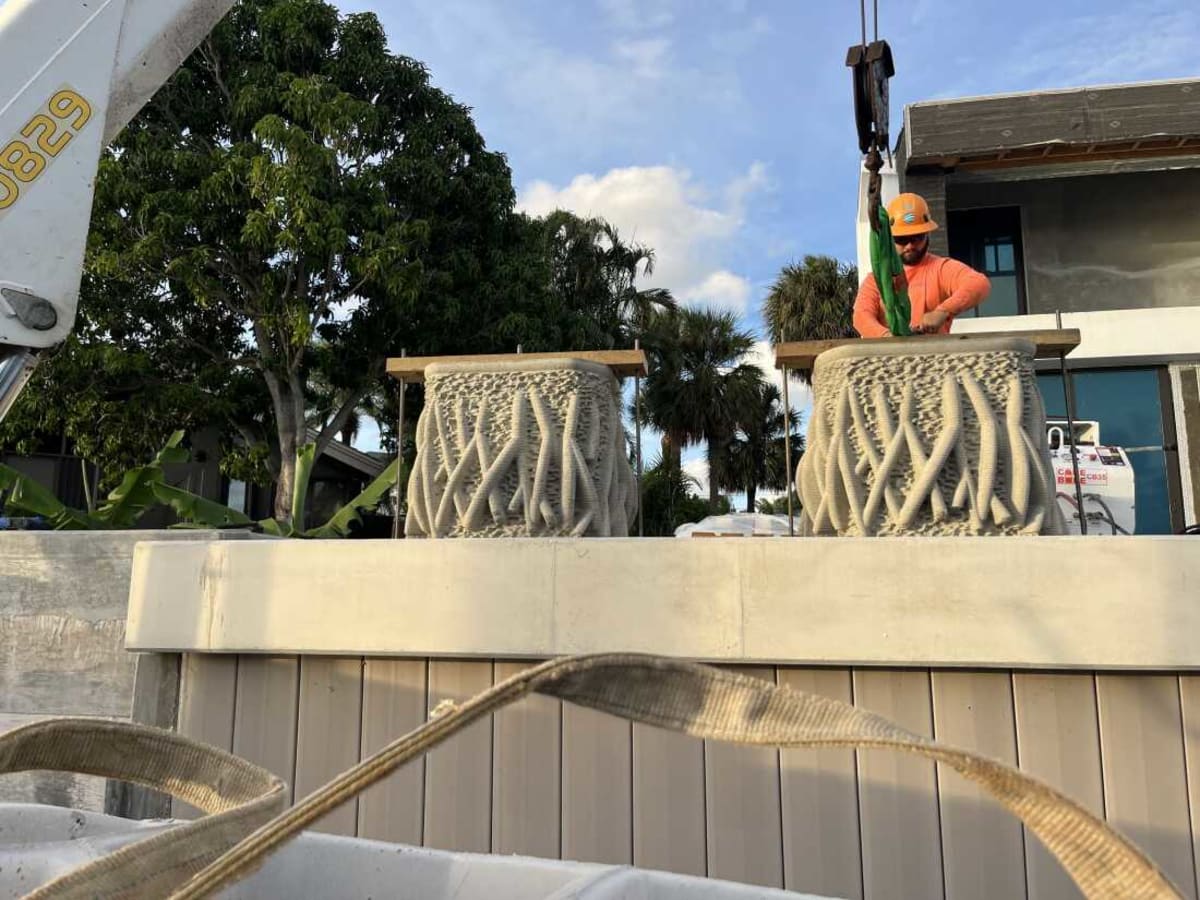
Arthur Tiedeman and his crew are drilling into a freshly built seawall in Pompano Beach, installing something homeowners haven't seen before. Two pockmarked planters, each housing a living mangrove tree, now hang where smooth concrete once stood empty.
The innovation tackles a problem that's plagued Florida's coast for over a century. When developers dredged canals and erected seawalls, they turned thriving intertidal zones into featureless vertical barriers that marine life can't use.
"It's just a straight giant wall," says Tiedeman, whose marine construction company installed the new design. The original mangrove-lined shores that once teemed with oysters, crabs, and fish simply vanished.
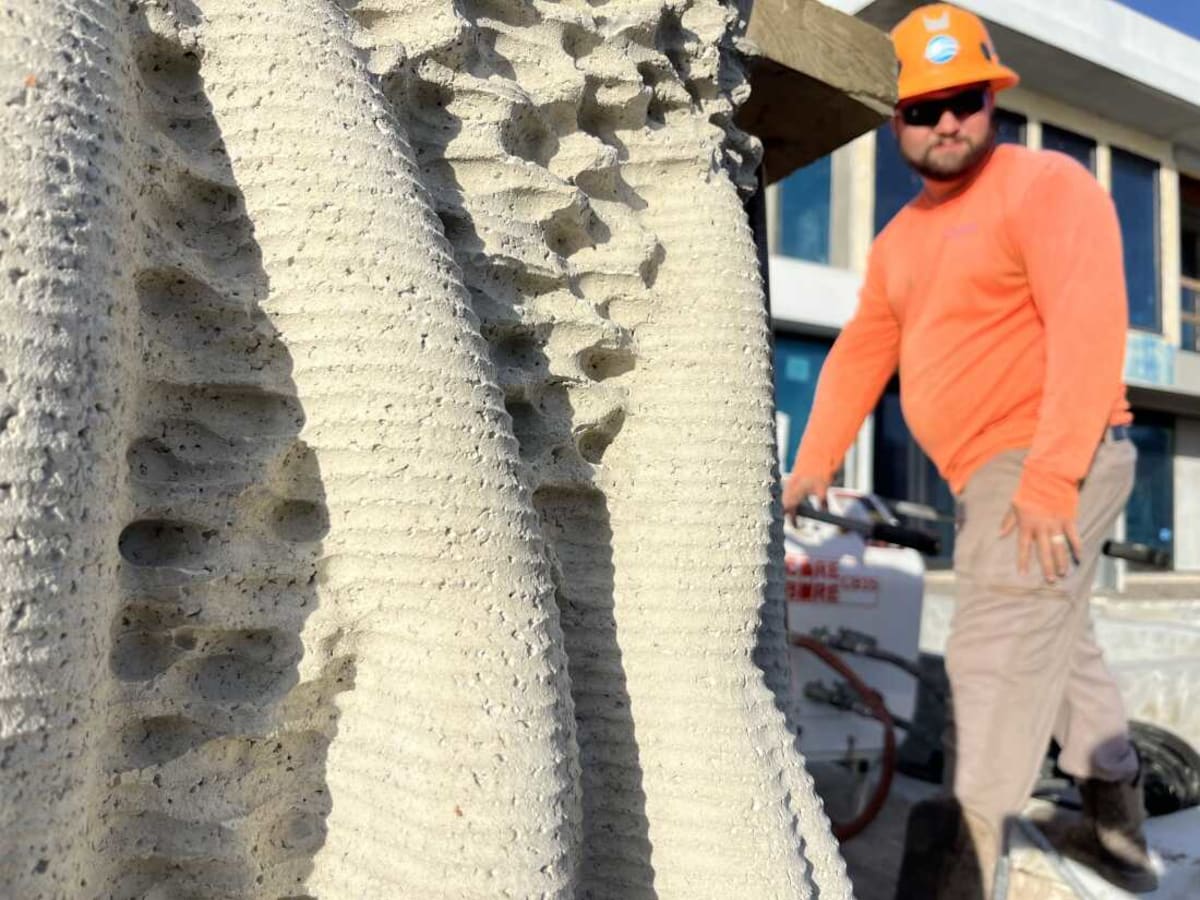
Keith Van de Riet designed these first-of-their-kind planters with one goal in mind: give marine creatures a home again. The professor and architect carved grooves and ridges into each planter to mimic oyster reefs and mangrove roots, creating hundreds of tiny pockets where organisms can settle.
The timing couldn't be more critical. South Florida faces what experts call a "seawall pandemic" as post-World War II concrete walls reach the end of their lifespan. Many are being replaced with smooth vinyl or steel that offers even less habitat than the old concrete did.
Van de Riet calls it "pulling the rug out from under these oysters." These water-filtering shellfish are a keystone species that support entire marine ecosystems, and they're losing their last footholds.
The Ripple Effect
The mangrove planter project represents just one example of a global movement gaining momentum. Miami Beach recently installed its first living seawall, while property owners across Florida are adding artificial reef balls and vertical oyster gardens to their waterfronts.
Rachel Gittman, a coastal ecologist at East Carolina University, says innovative products like these are now widely available. Municipalities and homeowners are recognizing that healthy marine habitat directly affects property values and quality of life.
The shift represents a fundamental change in how people think about waterfront infrastructure. Instead of building barriers that exclude nature, designers are creating structures that welcome it back.
Van de Riet's earlier seawall panel design has been underwater in southwest Florida since 2016, proving the concept works long-term. As oyster populations cluster on the textured surfaces and fish return to feed among the nooks and crannies, these living walls demonstrate that people and marine life can share the same space.
Tiedeman sees the change as both practical and hopeful. "We're in a golden era where humanity has kind of realized what we've done here," he says, and now they're choosing to do better.
One textured planter and one living mangrove at a time, South Florida's forgotten edges are coming back to life.
More Images

Based on reporting by NPR Science
This story was written by BrightWire based on verified news reports.
Spread the positivity!
Share this good news with someone who needs it