Florida Teen's Life Saved by New Heart Screening Law
A healthy high school athlete in Florida had no idea his heart defect could kill him until a new state law required screening. Now he's getting surgery, and his family calls the law "a gift from God."
Cameron Crider played three-hour football practices followed by two-hour basketball sessions without breaking a sweat. The Calvary Christian High School sophomore had no symptoms, no shortness of breath, nothing to suggest his heart was hiding a dangerous secret.
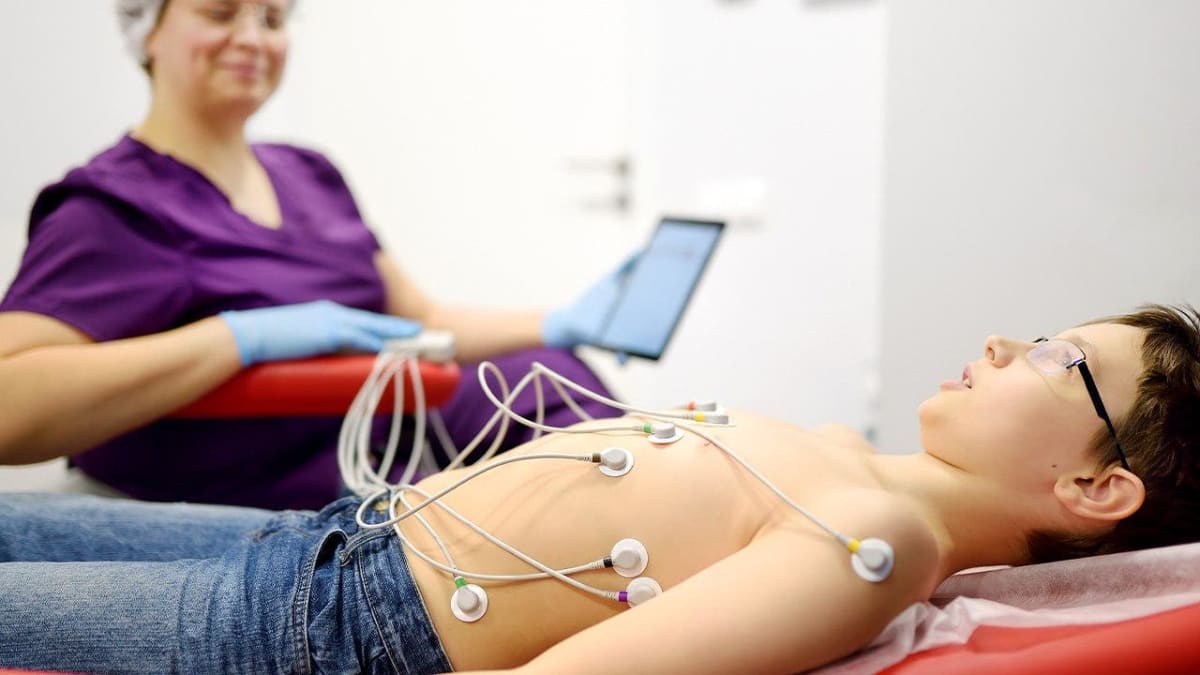
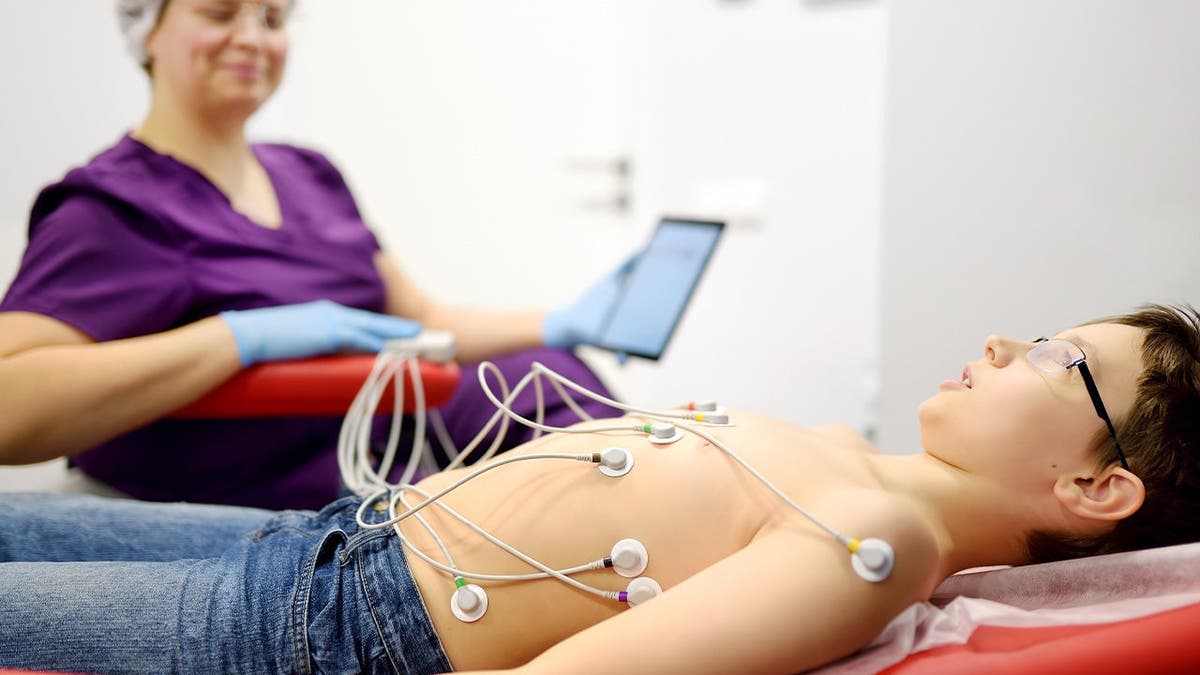
Then Florida's new Second Chance Act changed everything. The law, which took effect this July, requires all high school athletes to get an electrocardiogram (ECG) screening before playing sports.
Cameron's ECG revealed an atrial septal defect, a hole in the wall between his heart's upper chambers. Left untreated, it could have led to pulmonary hypertension, heart failure, or stroke. Worse, it could have caused sudden cardiac arrest during a game.
"I've been playing my whole life and didn't notice anything, so I was surprised," Cameron told FOX 13 Tampa Bay. His mother Laura was stunned too, watching her son power through grueling back-to-back practices with no warning signs.
Cameron is scheduled for surgery in October and expects to return to sports next season. His family considers the mandatory screening a miracle.
The Ripple Effect
Up to 80% of young athletes who suffer sudden cardiac arrest have no warning symptoms beforehand, according to Dr. Jonathan Drezner from the University of Washington Medicine Center for Sports Cardiology. A standard sports physical catches only 10-20% of at-risk heart conditions, but an ECG can detect about 80% of them.
That gap matters. Sudden cardiac arrest remains the leading cause of death during exercise for young athletes, striking down seemingly healthy teenagers without warning.
Florida joins a growing movement to protect student athletes through better screening. While the American Heart Association recommends starting with medical history and physical exams before ordering ECGs, experts like Drezner call properly interpreted ECG screenings "one of the best screening tools in medicine."
The Second Chance Act gives families exactly that: a second chance to catch problems before tragedy strikes. Laura Crider knows her family got lucky, finding out "in a doctor's office with an explanation and a clear plan" instead of on a football field.
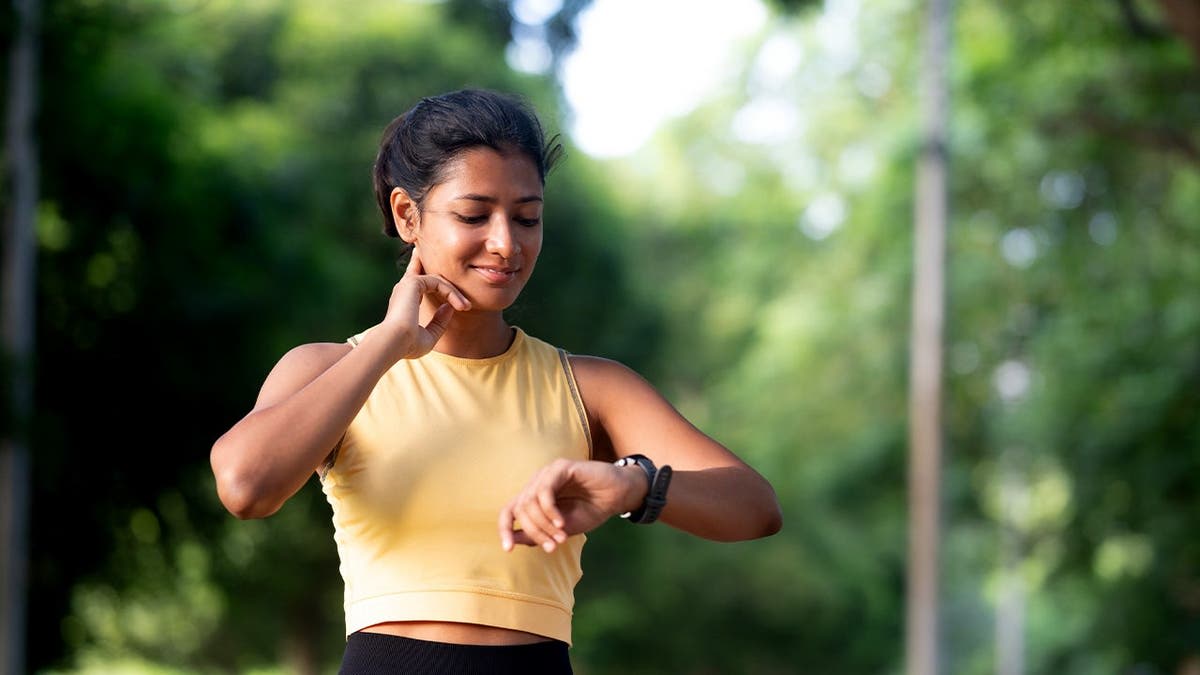
For parents of young athletes, doctors recommend watching for chest pain, fainting, or racing heartbeats during exercise, and always mentioning family history of heart conditions to your child's doctor.
Cameron's story proves that sometimes the healthiest-looking kids need help too.
More Images

Based on reporting by Fox News Health
This story was written by BrightWire based on verified news reports.
Spread the positivity!
Share this good news with someone who needs it