Florida Trees Can Cut Hurricane Roof Damage by 50%
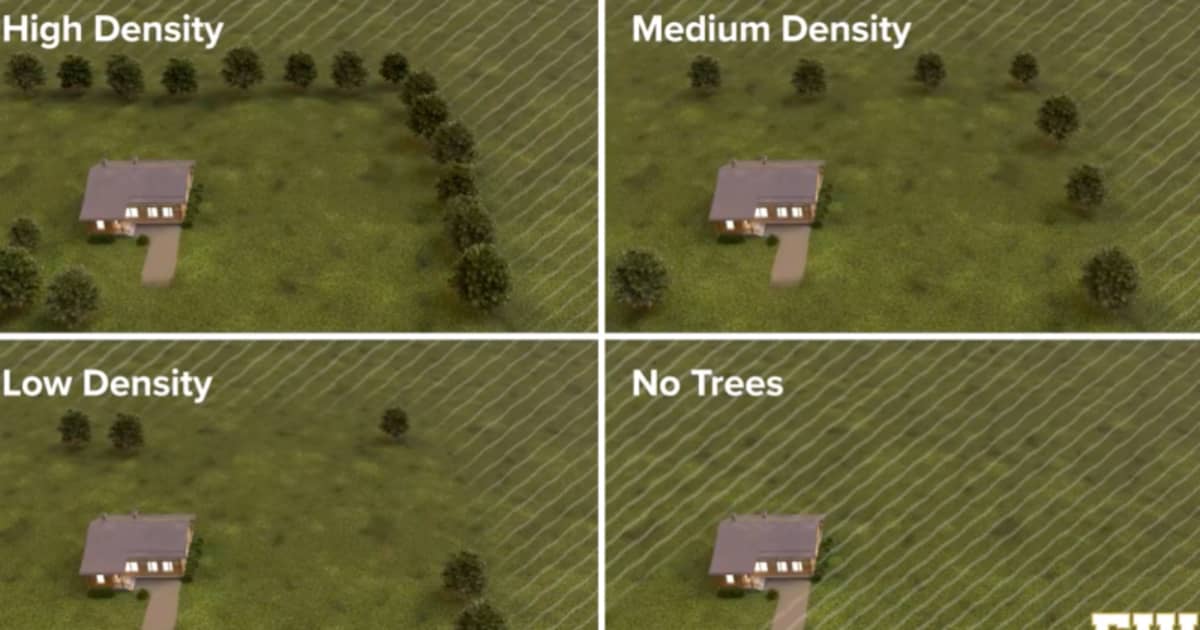
Scientists tested 40,000 Florida trees in hurricane-force winds and discovered the right trees in the right spots can slash wind pressure on homes in half. Even better: they've created a tool to help homeowners pick the safest trees to plant.
📺 Watch the full story above
Imagine cutting your home's hurricane wind damage in half just by planting the right tree in the right spot.
Researchers at Florida International University just made that possible. Using their Wall of Wind facility, which can simulate a Category 5 hurricane, they tested how common Florida trees interact with extreme winds and nearby homes.
The results surprised even the scientists. Trees planted directly in the wind's path reduced pressure on critical roof areas by up to 50%. That kind of protection could mean the difference between keeping your roof intact or losing it entirely.
The research team, led by Associate Professor Amal Elawady, gathered data on more than 40,000 trees across Florida. They identified which species hold up best in hurricanes and which ones pose the biggest risks to homes.
The winners? Mahogany trees topped the list for deciduous trees, while Slash Pine led among evergreens. Water Oak came in as the most vulnerable, most likely to fail during extreme wind events.
The team created predictive models that work with just two simple measurements: tree species and crown diameter. Homeowners can now estimate whether a tree near their house will protect them or put them at risk.
There was one catch. When wind hit homes at certain angles (45° and 210°), trees actually increased pressure on parts of the roof and walls. The researchers think the trees might be creating a wind tunnel effect, but they're still testing that theory.
The Ripple Effect
This research reaches far beyond individual homeowners making landscaping choices. Insurance companies can now use these models to assess property risk more accurately, potentially adjusting premiums based on tree placement and species.
Emergency management agencies gain a powerful planning tool. They can predict which neighborhoods will face the most tree debris after a storm, helping them position crews and equipment before hurricanes strike. Utility companies can anticipate power line damage and speed up restoration efforts.
Local governments armed with this data can guide urban forestry programs toward hurricane-resistant species. Miami-Dade County alone has 36 million trees covering 20% of the urbanized area, with plans to expand the canopy even further.
The research answers a question that's stumped city planners for years: how do we get the benefits of urban trees (shade, oxygen, air filtering, cooling) without the hurricane hazards?
Elawady and her team are already working on the next phase. They're examining exactly how failing trees damage homes during extreme wind, which will make their models even more precise. That information will help communities across Florida and the hurricane-prone Southeast build resilience against future storms.
For a state that faces hurricane season every year, knowing which trees protect and which ones threaten could save billions in damage and countless lives in the process.
Based on reporting by Google News - Researchers Find
This story was written by BrightWire based on verified news reports.
Spread the positivity!
Share this good news with someone who needs it