Florida Trees Cut Hurricane Roof Damage by 50%
New research shows common Florida trees can slash hurricane wind force on homes in half when positioned correctly. The breakthrough gives homeowners a powerful new tool to protect their property.
📺 Watch the full story above
Florida International University researchers just discovered that trees might be your home's best defense against hurricanes, cutting wind force on roofs by up to 50%.
The team studied over 40,000 trees across Florida and tested common species like pines, oaks, and palms in FIU's Wall of Wind facility, which can simulate Category 5 hurricane conditions. What they found could change how we think about storm protection.
"With just two readily available data inputs, like tree species and crown diameter, we can estimate the characteristics we need to predict tree failure from extreme wind," explains Haitam Ibrahim, a postdoctoral researcher on the project. The breakthrough means anyone can assess their trees using simple measurements.
The wind tunnel experiments revealed something remarkable. When trees sit directly in the path of hurricane winds, they create a natural shield that dramatically reduces pressure on homes. Think of them as nature's storm barriers, absorbing and deflecting wind that would otherwise slam into your roof and walls.
Miami-Dade County alone has an estimated 36 million trees covering about 20% of the area. City planners want to add even more, and this research shows why that's a smart move.
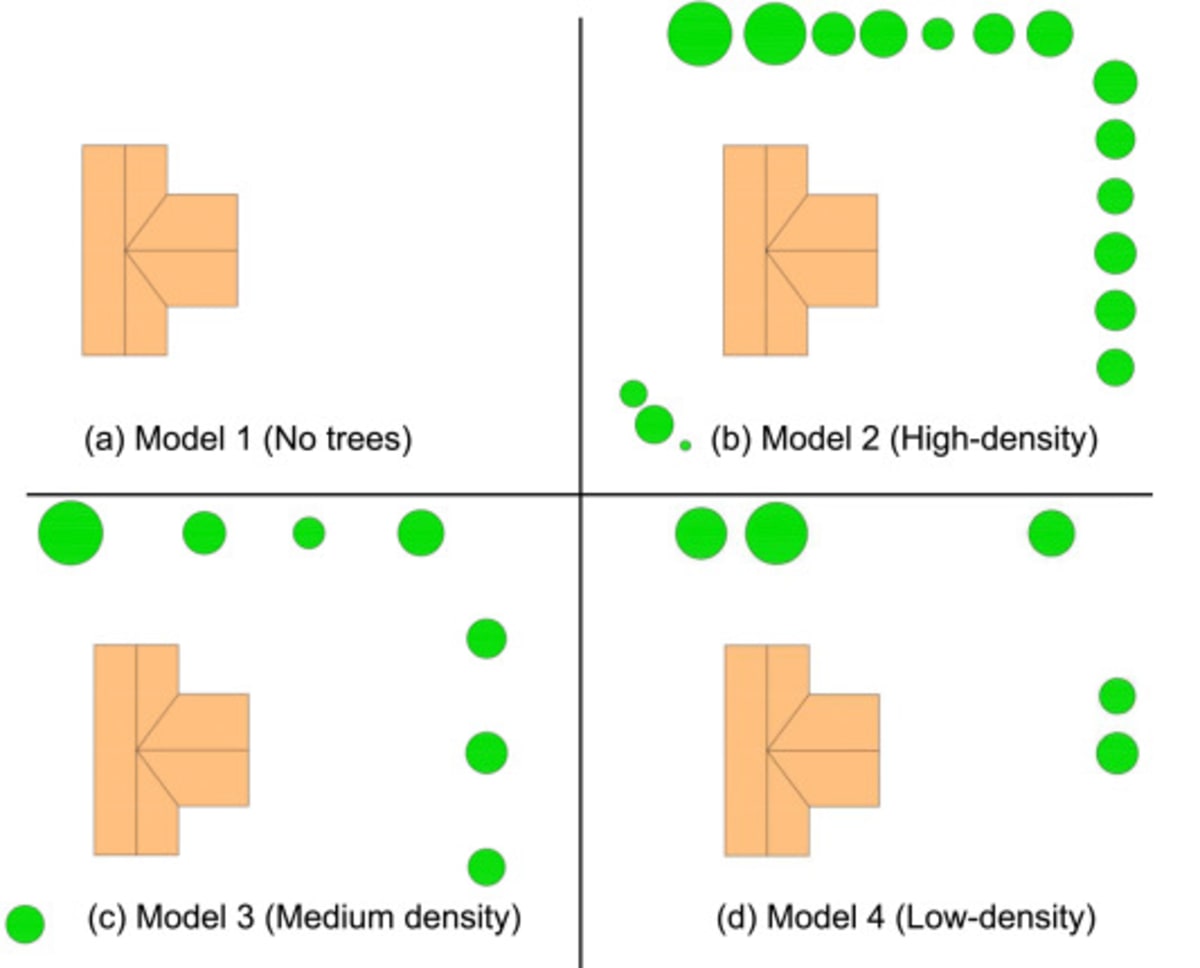
But placement matters tremendously. The researchers discovered that poorly positioned trees can actually increase wind pressure on certain parts of a building. When wind hit structures at specific angles, some tree placements acted like wind tunnels, intensifying rather than reducing the force.
The Ripple Effect
The findings reach far beyond individual homeowners. Insurance companies can now use these models to better predict storm damage and potentially adjust premiums based on tree placement around homes.
Emergency management agencies and utility companies are already interested in the data. They can use it to predict where fallen trees might block roads or damage power lines after storms, helping them position crews and equipment before hurricanes strike.
Local governments could incorporate these findings into building codes and landscaping requirements. Imagine new neighborhoods designed with strategic tree placement as a standard safety feature, not just an aesthetic choice.
The research team is already planning their next phase. They'll study exactly how tree failures damage homes during extreme winds, then expand their models to include those results. Eventually, homeowners will have clear recommendations about which trees to plant and exactly where to plant them for maximum protection.
For a state that faces regular hurricane threats, turning trees from potential hazards into reliable shields could save billions in damage and protect countless families.
More Images
Based on reporting by Google News - Researchers Find
This story was written by BrightWire based on verified news reports.
Spread the positivity!
Share this good news with someone who needs it