Florida Trees Cut Hurricane Wind Damage to Homes by 50%
New research from Florida International University shows that strategically planted trees can slash hurricane wind pressure on homes by up to 50%. The breakthrough could help homeowners, insurers, and cities build stronger hurricane defenses.
Planting the right tree in the right spot could be the difference between keeping your roof intact or watching it blow away during the next hurricane.
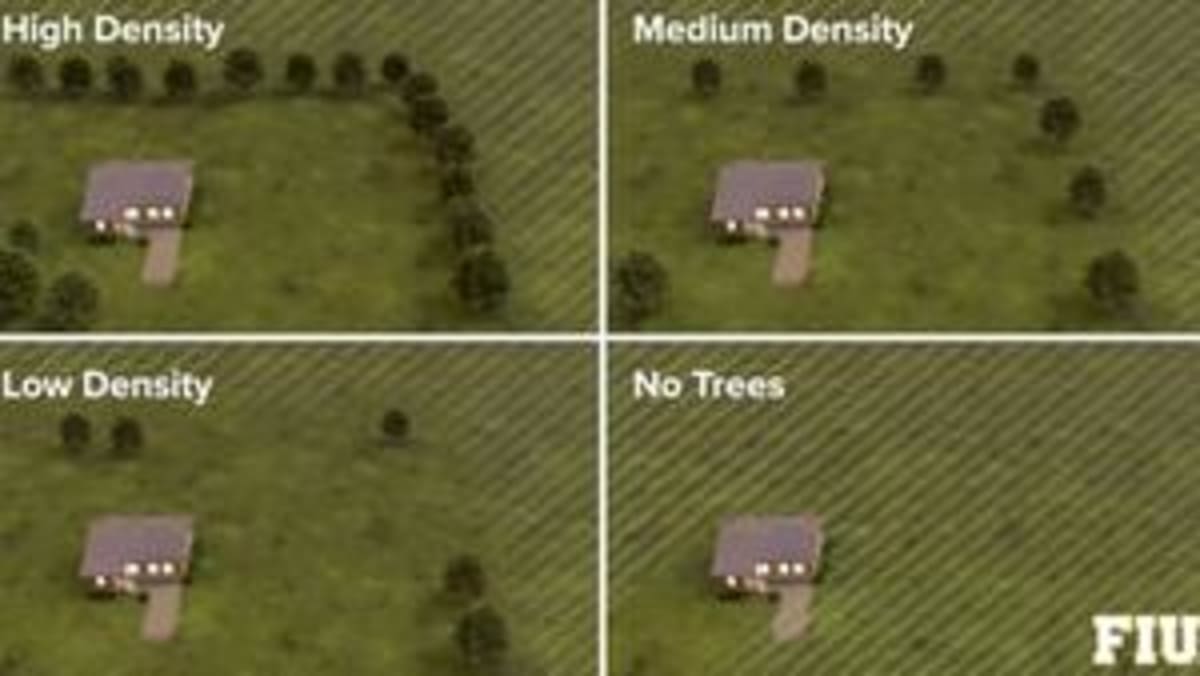
Researchers at Florida International University just discovered that common Florida trees can reduce extreme wind pressure on homes by as much as 50% when placed strategically. The team tested over 40,000 trees across the state and simulated Category 5 hurricane conditions at FIU's Wall of Wind facility.
The results surprised even the scientists. Trees positioned directly in the wind's path acted like natural shields, dramatically reducing suction forces on the most vulnerable parts of roofs and walls. Mahogany trees proved most resilient among deciduous varieties, while slash pine topped the evergreens.
Miami-Dade County alone hosts an estimated 36 million trees covering 20% of the area. Until now, nobody really knew whether those trees were protecting homes or putting them at greater risk during hurricane season.
Associate Professor Amal Elawady and her team developed models that can predict tree behavior using just two simple measurements: species type and crown diameter. This means homeowners can now make informed choices about which trees to plant and where to put them.
The research wasn't all good news. When wind hit buildings at certain angles, particularly 45 and 210 degrees, some tree placements actually increased wind pressure on structures. The researchers suspect trees in these positions might funnel wind like a tunnel, though they need more testing to confirm.
The Ripple Effect
The impact reaches far beyond individual homeowners. Insurance companies can now assess tree-related risks more accurately, potentially adjusting premiums based on smart landscaping choices rather than penalizing all trees equally.
Emergency management agencies could use the models to predict where fallen trees might block roads or damage power lines after storms. Utility companies can prepare repair crews more efficiently, and local governments can plan debris removal before hurricanes even make landfall.
City planners pushing for expanded tree canopies now have scientific backing for their initiatives. The key isn't choosing between safety and shade but selecting the right species and positioning them wisely.
The research team is already working on the next phase: measuring actual damage when trees fail during extreme winds. Once complete, the expanded models will give communities even more precise tools for hurricane preparation.
For Florida residents watching another hurricane season approach, the message is clear: nature can be your strongest ally when you work with it strategically.
Based on reporting by Google News - Researchers Find
This story was written by BrightWire based on verified news reports.
Spread the positivity!
Share this good news with someone who needs it