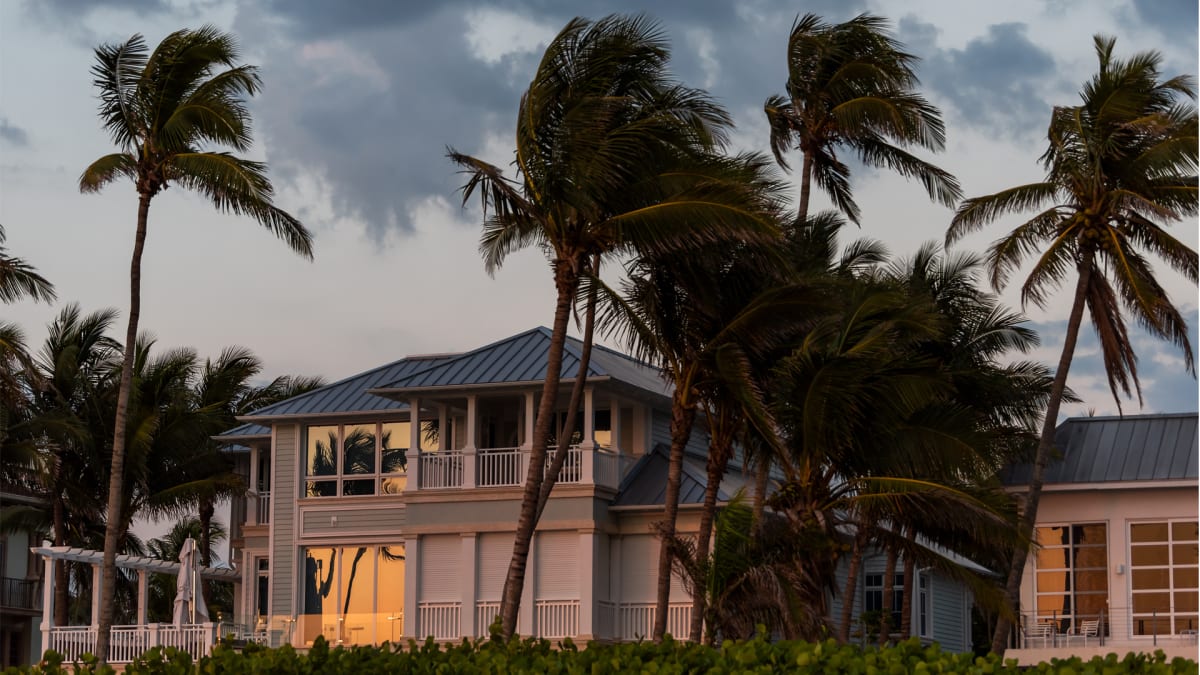
Florida Trees Cut Hurricane Wind Pressure on Homes by 50%
Scientists tested 40,000 trees in hurricane-force winds and discovered that common Florida trees like pines, oaks, and palms can slash wind pressure on roofs by half when planted correctly. The breakthrough could help homeowners protect their properties and lower insurance costs.
📺 Watch the full story above
Planting the right tree in the right spot could be your home's best defense against the next hurricane.
Researchers at Florida International University just cracked the code on how trees actually behave during extreme storms. After studying more than 40,000 trees across Florida and blasting common species with Category 5 hurricane winds, they found that strategically placed trees can reduce wind pressure on homes by up to 50%.
The team used FIU's Wall of Wind, a massive facility that simulates hurricane-force conditions on full-scale structures. They tested pines, oaks, and palms, the most common trees found throughout Florida, to see exactly how they interact with extreme wind hitting nearby homes.
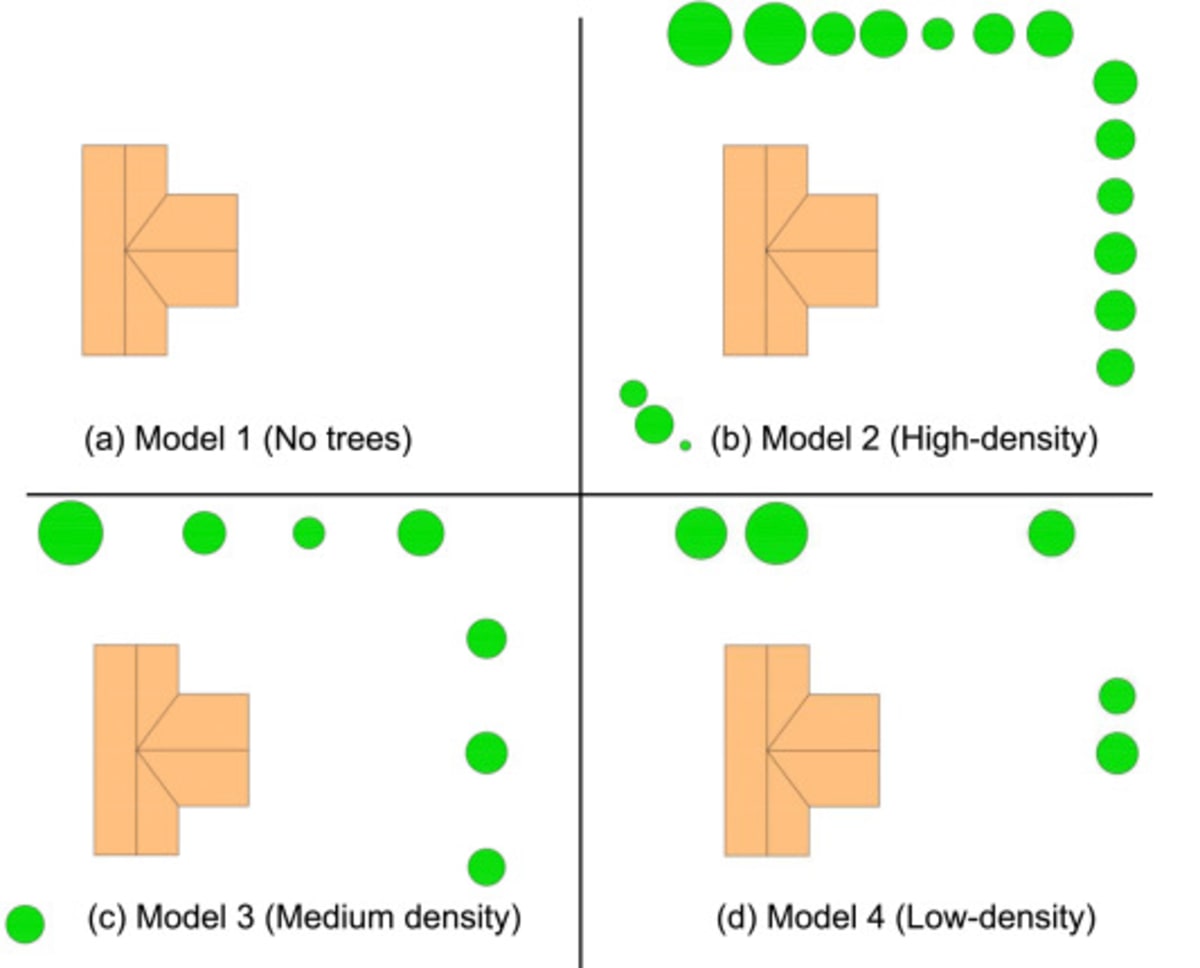
The results surprised even the scientists. When trees stood directly in the wind's path, they acted like natural shields, dramatically cutting the suction forces that rip off roofs and damage walls. But placement matters more than anyone realized.
Associate Professor Amal Elawady and her team discovered that trees in certain positions can actually increase wind pressure on parts of a building. When wind hit at specific angles, some tree placements seemed to create a tunnel effect, funneling more force onto roofs and walls.
The research started when insurance and construction companies asked a simple question: Are trees helping or hurting homes during hurricanes? The answer, it turns out, is both, depending on where you plant them.
Now the team has developed models that predict tree behavior using just two pieces of information: the species and the size of the crown. That means homeowners can estimate which trees will stand strong and which might fail before disaster strikes.
The Ripple Effect
This discovery reaches far beyond individual homeowners. Insurance companies could use the models to assess risk more accurately, potentially lowering premiums for properties with well-placed protective trees.
Emergency management agencies and utility companies are already interested. The models could help predict where fallen trees will block roads or take down power lines after a storm, letting officials position crews and resources before hurricanes make landfall.
Local governments could integrate this research into building codes and landscaping requirements. Instead of viewing urban tree canopies as purely aesthetic, cities could strategically expand the 20% coverage that currently protects Miami-Dade County to create natural hurricane defenses.
The researchers are already working on the next phase: testing how trees damage homes when they do fail. Once they understand both the protective effects and the risks, they can create comprehensive guidelines for homeowners choosing what to plant and where.
Communities across Florida and other hurricane-prone regions could become measurably more resilient, turning their urban forests into the first line of defense against increasingly severe storms.
More Images
Based on reporting by Google News - Researchers Find
This story was written by BrightWire based on verified news reports.
Spread the positivity!
Share this good news with someone who needs it