Florida's Cold Snap Helps Remove Invasive Iguanas
A rare Florida freeze is creating an unexpected win for wildlife protection. The state is inviting residents to help remove invasive iguanas that have been temporarily stunned by the cold.
Florida's coldest weather since 2010 is giving the state a rare chance to tackle an invasive species problem that's been growing for over 60 years.
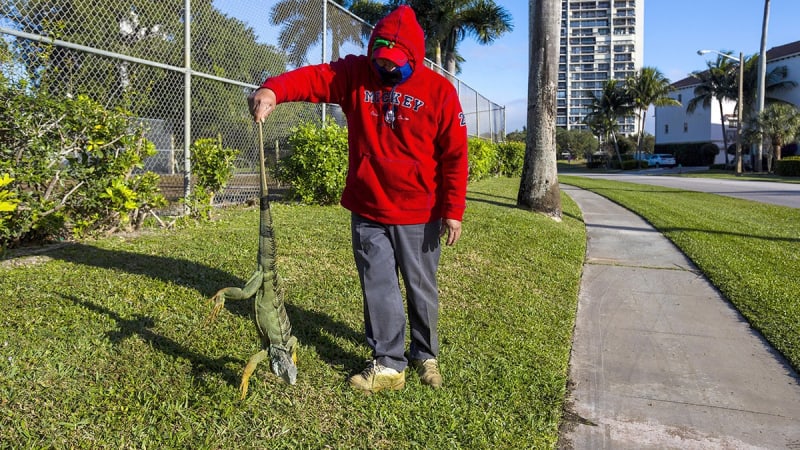
The Florida Fish and Wildlife Conservation Commission issued a special order Friday allowing anyone to collect cold-stunned green iguanas and bring them to designated wildlife offices this weekend. No permit required.
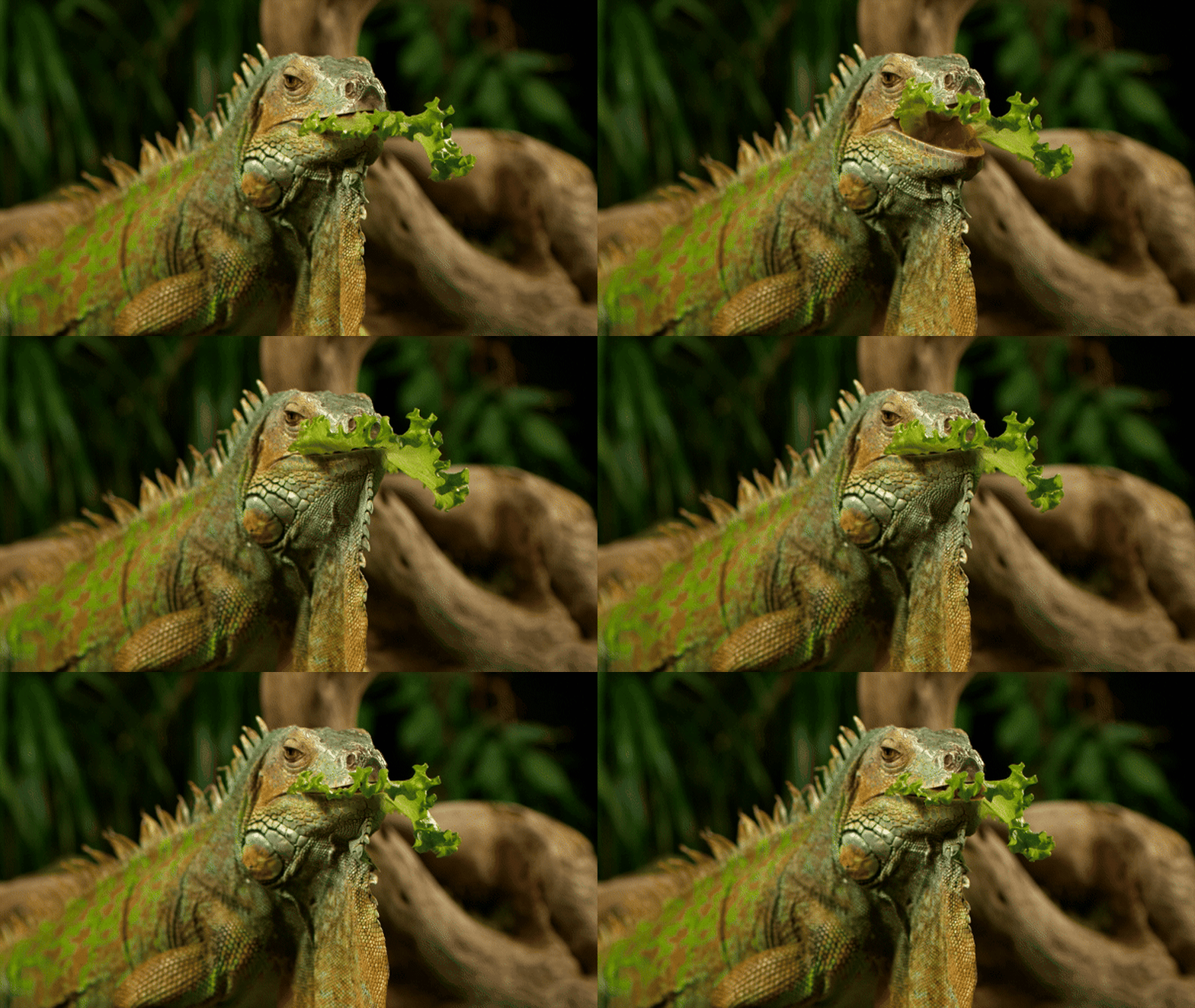
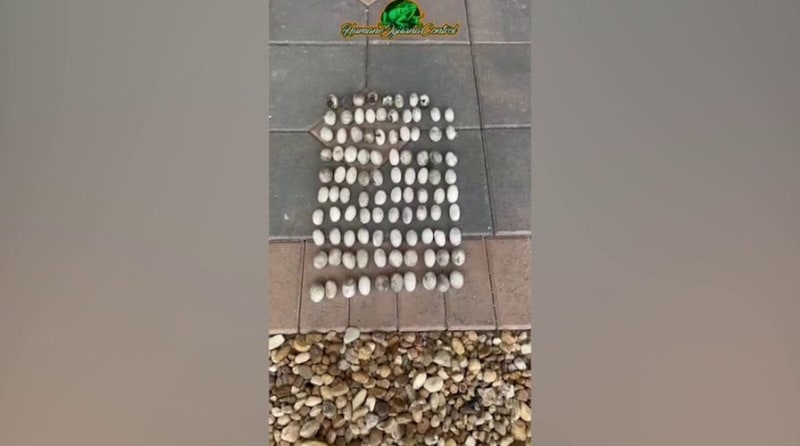
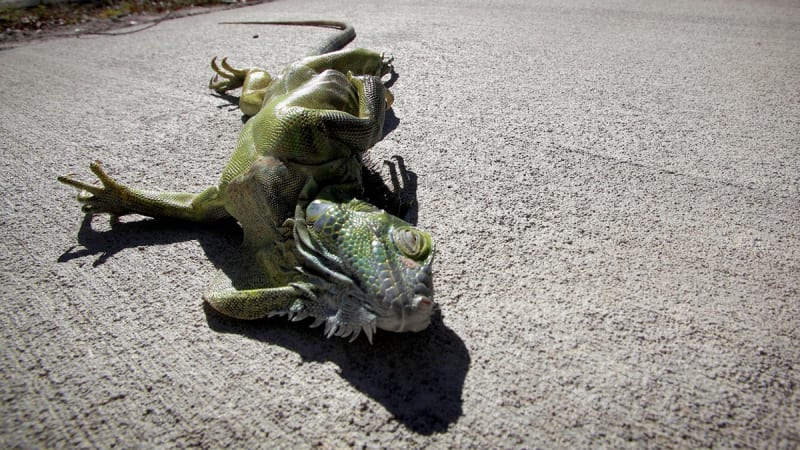
Green iguanas have thrived in Florida since they first appeared in the 1960s, damaging gardens, threatening native wildlife, and reproducing rapidly. But these cold-blooded reptiles have one weakness: when temperatures drop into the 40s, they lose the ability to move their muscles and enter a state called torpor.
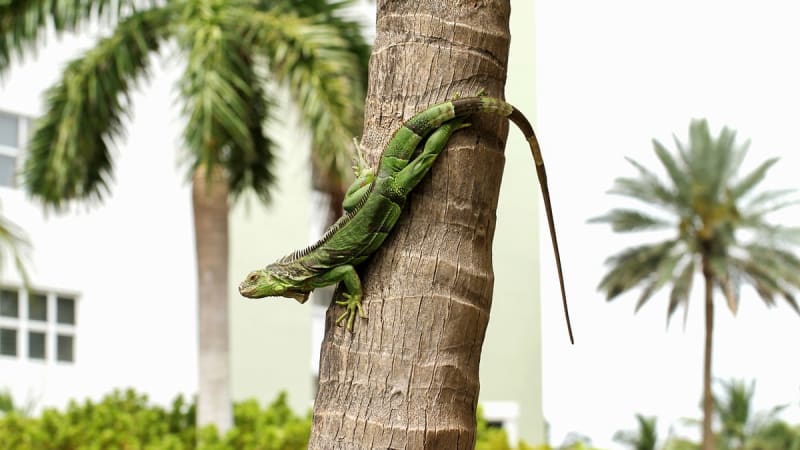
The phenomenon is so dramatic that iguanas have been known to fall from trees, appearing dead. They're very much alive, just temporarily paralyzed by the cold.
The wildlife commission is making the most of this brief window. They've opened five collection sites where residents can drop off the stunned reptiles on Sunday and Monday for humane euthanization or transfer to licensed handlers.
Safety is important, officials warn. Collectors should wear protective gloves and long sleeves to prevent scratches, and secure the iguanas in breathable cloth bags inside locked containers. The reason? These reptiles can recover from their cold shock faster than you'd expect.
The Bright Side
What makes this approach remarkable is how it turns a weather event into a community-driven conservation effort. Instead of requiring professional exterminators, Florida is empowering everyday citizens to help protect native ecosystems.
The timing couldn't be better. South Florida hasn't seen temperatures this cold in over a decade, creating the largest opportunity in years to address the invasive iguana population without harmful chemicals or expensive removal programs.
Wildlife officials are being transparent about the process and emphasizing humane treatment, showing that effective conservation can also be ethical. The temporary executive order demonstrates how government agencies can respond quickly to unexpected opportunities.
For a state that's struggled with this invasive species for six decades, a little cold weather might finally bring some warm news for Florida's native plants and animals.
More Images
Based on reporting by Fox News Travel
This story was written by BrightWire based on verified news reports.
Spread the positivity!
Share this good news with someone who needs it