Flower Flights Cut 300 Tons of CO2 with Sustainable Fuel
More than 10 million Valentine's Day flowers flew from Colombia to the U.S. this season with 75% lower emissions, proving that sustainable air cargo can work at scale. Three companies joined forces for their biggest green initiative yet, showing how partnerships can slash aviation's carbon footprint without sacrificing speed.
More than 10 million flower stems just made the journey from Colombia to Miami for Valentine's Day while cutting carbon emissions by 300 metric tons. This isn't a future promise. It's already happening.
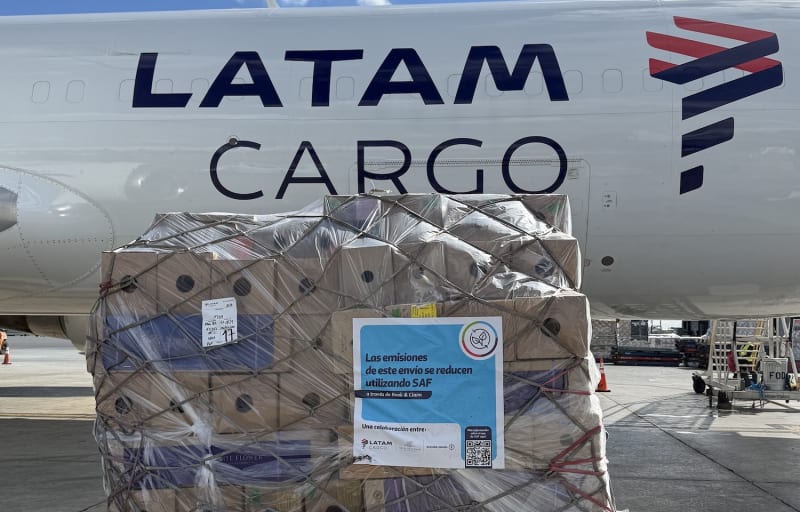
LATAM Cargo Colombia, logistics giant Kuehne+Nagel, and flower exporter The Elite Flower teamed up for their third consecutive year to power eight full cargo flights with Sustainable Aviation Fuel (SAF). The initiative transported 469.8 tons of fresh Colombian flowers during peak Valentine's season without affecting delivery speed or quality.
The secret ingredient was 130,800 liters of SAF made from waste animal fats. This alternative fuel reduces lifecycle emissions by approximately 75% compared to conventional jet fuel while working in existing aircraft engines.
"This action demonstrates that emissions reduction can already be integrated alongside the speed and reliability of air freight," said Cristina Oñate, VP of Sustainability at LATAM Cargo Group. The flowers arrived as fresh as ever, proving sustainability doesn't require compromise.
The timing matters enormously for Colombia's flower industry. Valentine's Day represents one of the year's most critical shipping periods, when millions of stems must reach customers within tight windows. The Elite Flower alone exported nearly 40 million stems through LATAM Cargo during this season.
For three years running, these partners have expanded their collaboration. Each Valentine's season builds on lessons from the last, creating a repeatable model that other industries can follow.
The collaboration relies on a "Book and Claim" system that tracks environmental benefits through the supply chain. This method ensures transparency and accountability, letting companies verify their actual emissions reductions rather than just hoping for the best.
The Ripple Effect
This flower initiative points toward solutions for one of aviation's toughest challenges. Air cargo accounts for a significant chunk of global transportation emissions, and flowers are just the beginning.
The partnership model developed here scales beyond Valentine's roses. Fresh food, medical supplies, and time-sensitive goods all rely on air transport. If SAF works for flowers without compromising freshness or speed, it can work for countless other products moving through global supply chains.
Other logistics companies and shippers are watching closely. As Ana San Carlos from Kuehne+Nagel notes, the goal is "inspiring more stakeholders across Latin America and globally to continue advancing decarbonization efforts within their value chains."
The aviation industry has committed to reaching net-zero emissions by 2050. Initiatives like this one prove the target isn't just aspirational. Real tools exist today, and they work at commercial scale during the most demanding operational periods.
From Bogotá to Miami, millions of flowers made their journey powered by yesterday's waste instead of new fossil fuels. That's progress you can actually measure, one stem at a time.
Based on reporting by Google News - Emissions Reduction
This story was written by BrightWire based on verified news reports.
Spread the positivity!
Share this good news with someone who needs it