Flying Foxes Worth $668M to Australia's Timber Industry
Australian fruit bats generate hundreds of millions of dollars annually for the timber industry through pollination, and a groundbreaking study finally proves their massive economic value. These misunderstood mammals deserve protection, not persecution.
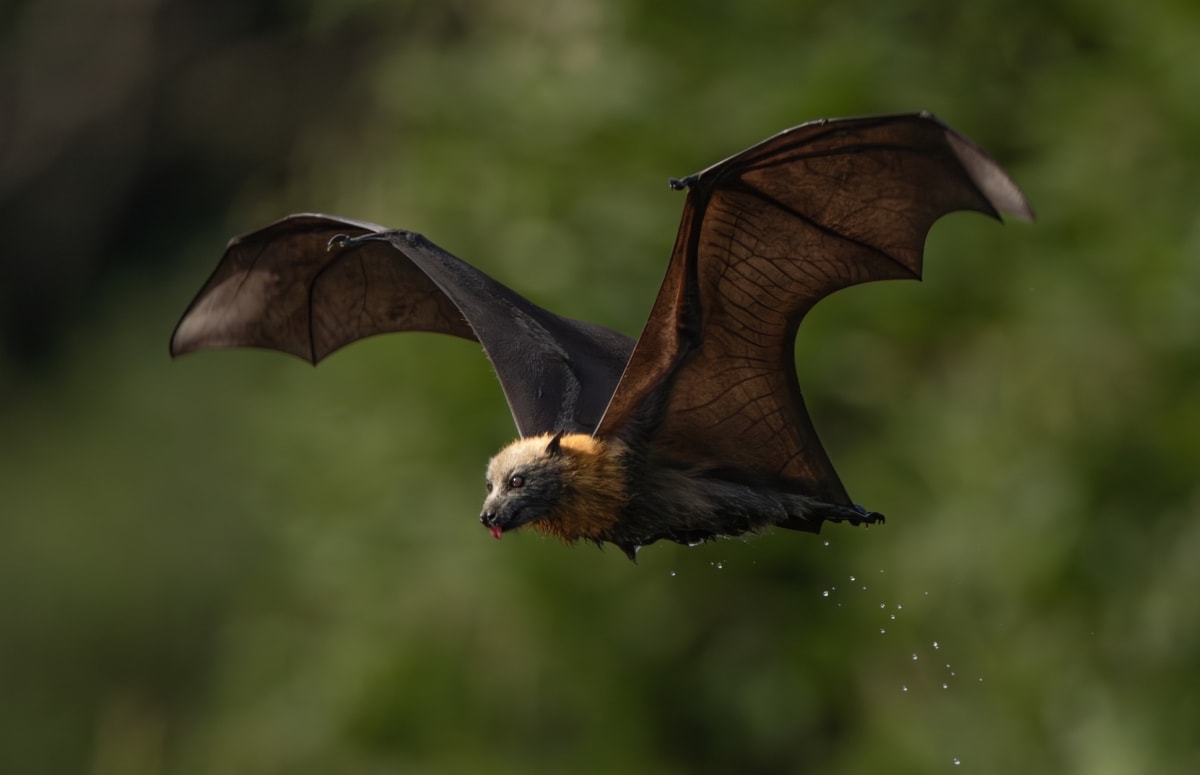
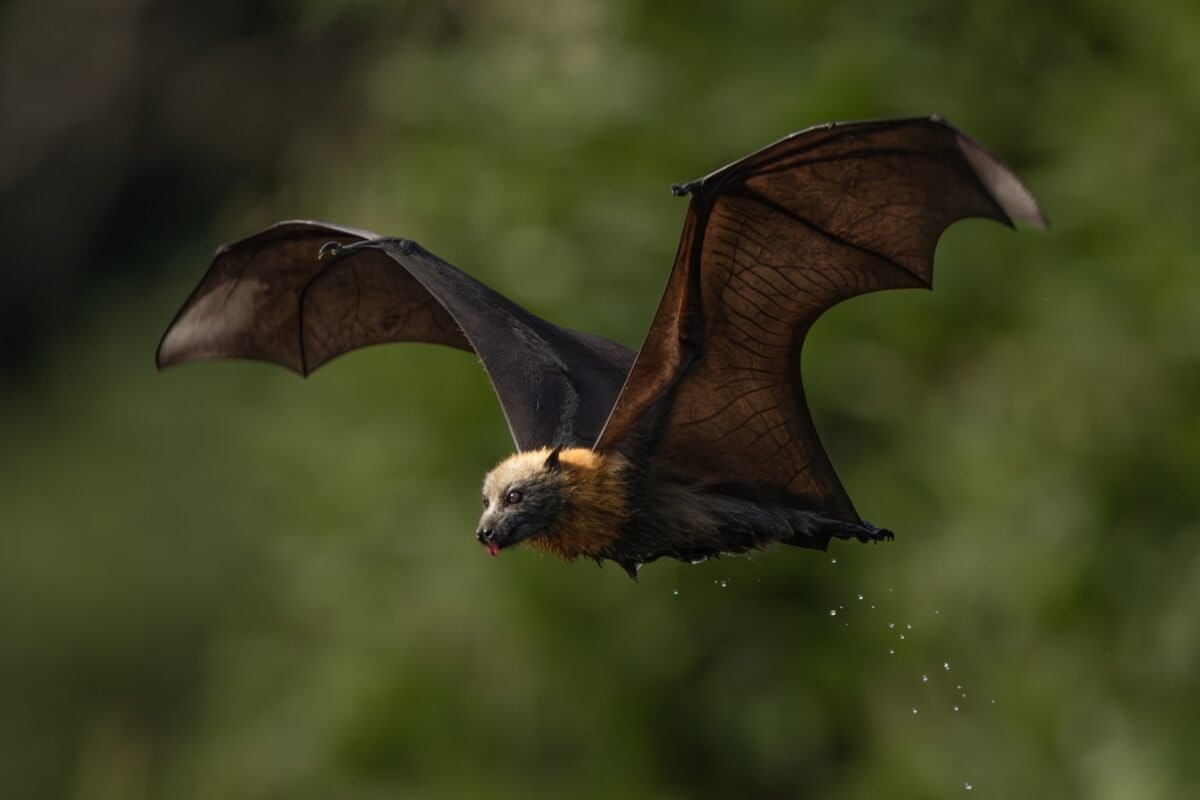
Every night across eastern Australia, flying foxes with three-foot wingspans take to the skies, pollinating trees and spreading seeds across distances no bird can match. Scientists just discovered these fruit bats may be worth up to $668 million annually to the timber industry alone.
A new study in Scientific Reports provides the first-ever economic valuation of flying foxes in Australia. Researchers mapped 1,209 roosts of four bat species to calculate their "Bat Ripple," the total area where these mammals provide ecosystem services.
The results stunned even the scientists. Flying foxes influence nearly 41.4 million hectares, an area almost the size of Sweden.
Lead researcher Alfredo Ortega González from the University of Sydney explained what makes these creatures irreplaceable. "There is no bird that can move the distance, on average, that a flying fox can move in a night," he said.
The team focused specifically on grey-headed flying foxes and their overlap with eucalypt timber forests. They calculated these 1.5-pound mammals help regenerate up to 91.6 million trees per year through pollination services.
Co-author Alexander Braczkowski emphasized the figures are conservative. The estimates don't include broader ecosystem benefits or the bats' contributions to carbon capture.
The timing of this research is critical. Recent fires and extreme heat events have devastated flying fox populations, with some colonies losing more than 80% of their members.
Justin Welbergen, an animal ecology professor at Western Sydney University, described the catastrophic scale of heat-related deaths. "A single hot afternoon can result in mortality on a regional scale and in biblical proportions, with tens of thousands of dead flying foxes," he told The New York Times.
The Ripple Effect
The study reveals how protecting flying foxes creates value far beyond what anyone imagined. Their nightly journeys of thousands of kilometers spread pollen and seeds across vast landscapes, regenerating forests that support entire ecosystems.
The economic impact extends to industries, jobs, and communities that depend on healthy eucalypt forests. Timber workers, conservation efforts, and climate initiatives all benefit from the invisible work these bats perform each night.
Ortega González hopes the research changes public perception. Flying foxes have long been dismissed as noisy, smelly pests rather than valuable partners in ecosystem health.
"They are really important, much more important than the general public can imagine," he said.
Australia's flying foxes now have the economic data to back up their conservation status, proving that protecting nature isn't just good ethics but sound business.
More Images

Based on reporting by Mongabay
This story was written by BrightWire based on verified news reports.
Spread the positivity!
Share this good news with someone who needs it