Food as Medicine Programs Boost Farms and Health
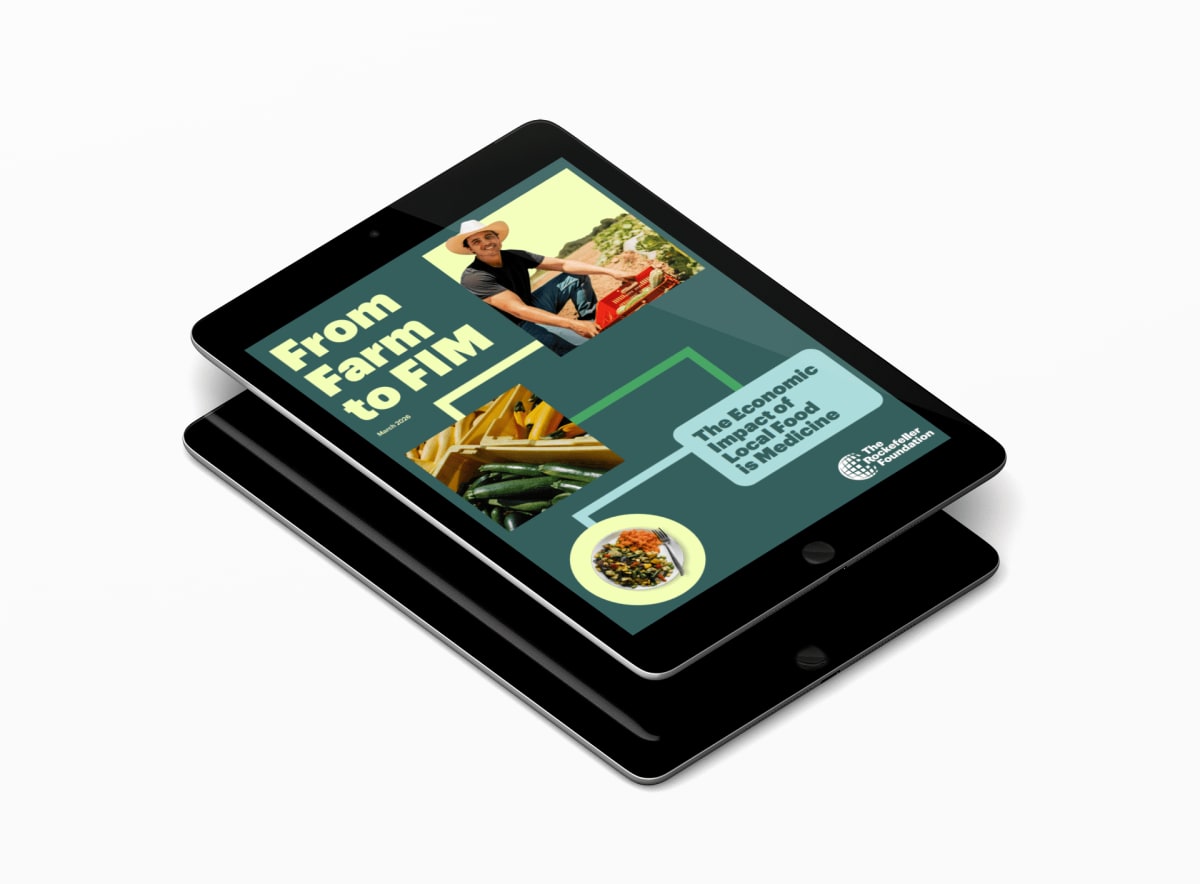
States are discovering that prescribing healthy food to patients with diet-related conditions creates a surprising bonus: stronger local economies and thriving small farms. A new report shows how healthcare dollars can heal both people and struggling rural communities.
When doctors start prescribing fresh vegetables instead of just pills, something remarkable happens beyond the patient's kitchen.
Food is Medicine programs allow healthcare providers to prescribe medically tailored meals, healthy groceries, and fresh produce to people managing diabetes, heart disease, and other diet-related conditions. As states expand coverage for these services, they're creating an entirely new market for healthy, locally grown food.
The economic impact reaches far beyond hospital walls. When states choose to source food from local and regional farms, healthcare dollars flow directly into rural communities that need them most.
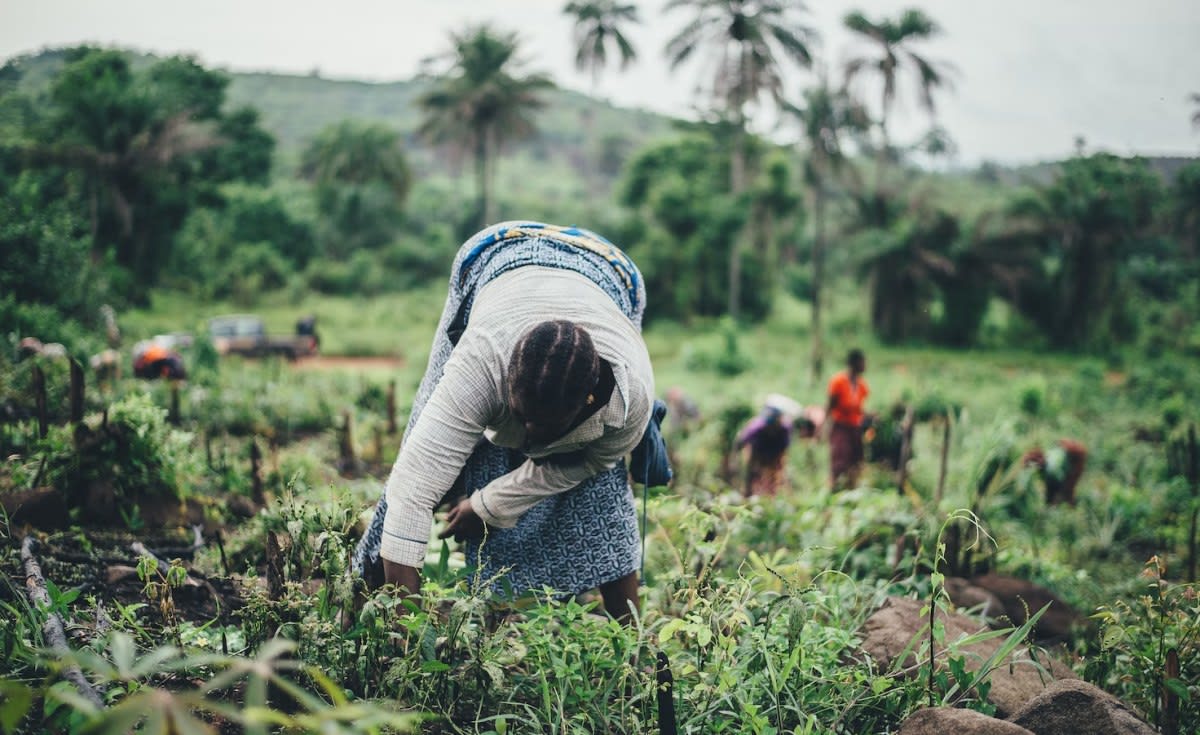
Small and mid-sized farms gain reliable revenue streams that help them plan for the future. Communities see new jobs created across the supply chain, from farming to meal preparation and delivery.
The timing couldn't be better. Family farms face persistent financial pressure while diet-related diseases affect millions of Americans. Food is Medicine programs offer a rare chance to tackle both problems with one solution.
The Ripple Effect
The benefits multiply as the programs grow. Farm revenue provides stability that allows producers to invest in long-term improvements and sustainable growing practices.
Local food providers, often community-based organizations, gain steady contracts that let them hire more staff and expand operations. Money stays within state borders, circulating through local economies instead of flowing to distant corporate suppliers.
Regional food supply chains grow stronger and more resilient. Farmland becomes more viable to maintain, preserving both rural livelihoods and the agricultural landscape.
Because this market is still taking shape, states have a critical window to design programs thoughtfully. Early decisions about sourcing requirements and provider networks will determine whether healthcare spending strengthens local economies or misses the opportunity entirely.
The model aligns healthcare goals with rural development, creating partnerships between medical systems and agricultural communities. Doctors get better tools to address chronic disease. Farmers get dependable customers. Patients get fresher, healthier food.
States that embed local sourcing into their Food is Medicine programs from the start can build systems that improve health outcomes while supporting the farms and food businesses that anchor rural America.
This approach transforms healthcare spending into community investment, proving that the path to better health can also lead to stronger local economies.
Based on reporting by Google: economic growth report
This story was written by BrightWire based on verified news reports.
Spread the positivity!
Share this good news with someone who needs it