Food Prices Drop 30% in Nigeria, Families Find Relief
Families across Nigeria are celebrating as staple food prices have dropped by nearly 30% in recent months, with rice falling from $95 to $69 per bag. A combination of government intervention, improved farm security, and harvest season abundance is bringing real relief to millions who've struggled with rising costs.
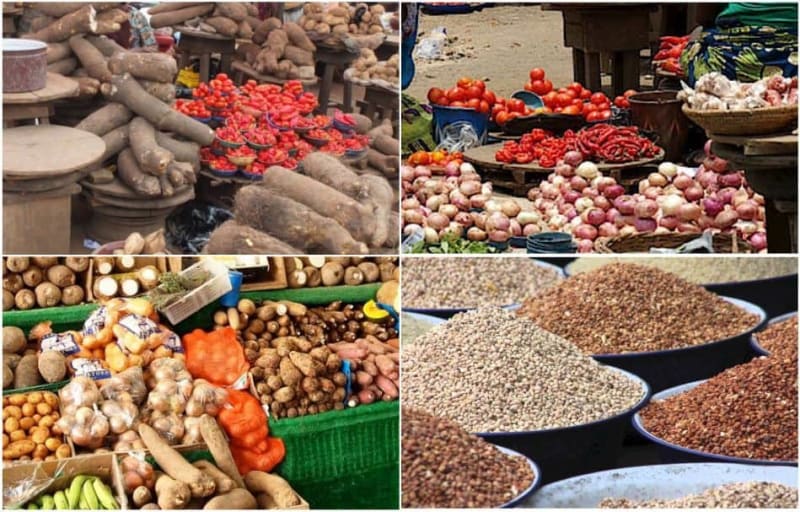
Shoppers at Lugbe market in Abuja are experiencing something they haven't felt in months: relief at the checkout.
Food prices across Nigeria have dropped dramatically, with staples like rice falling nearly 30% and beans dropping by over 70% in some markets. For millions of families who've watched their purchasing power shrink, the change is bringing real breathing room.
"A bag of rice that was selling for 76,000 naira a few months ago now goes for 55,000," says Vivian Uche, a foodstuff vendor at Lugbe market. She's watched prices on everything from beans to cassava flour drop to levels not seen in over a year.
The price relief isn't limited to one market or one city. Families across Nigeria are reporting similar drops as multiple factors align to increase food availability.
Improved security in farming regions has allowed farmers to access their land again and produce more food. The ongoing harvest season has flooded markets with fresh supply, naturally driving prices down.
Government interventions have added fuel to the positive trend. Subsidized fertilizer distribution and dry season farming initiatives have boosted production, while temporary import waivers have increased food availability even further.
The Ripple Effect
For civil servant Ifeoma Iwuji, the price drops mean her family can finally afford to buy adequate food again. "The cost of food has been a major burden," she explains. "With the price dropping, we can now afford to buy more."
Traders like Uche are seeing the relief on both sides of the counter. Lower prices mean customers can buy more, which keeps business moving even as margins tighten.
Mechanized farmer Kayode Iyiola notes that while the price drops are welcome, the underlying challenge of low purchasing power and stagnant incomes remains for many Nigerians. The food relief addresses an immediate crisis, but families still need sustainable income growth.
Some shoppers remain cautiously optimistic. Cynthia Chukwuma, a buyer at Lugbe market, remembers previous price drops that didn't last. "We need to see if this price drop is sustainable for a long time," she says, expressing hope that this time will be different.
For now, families across Nigeria are enjoying a tangible improvement in their daily lives, proving that when multiple solutions align, real progress is possible.
Based on reporting by Vanguard Nigeria
This story was written by BrightWire based on verified news reports.
Spread the positivity!
Share this good news with someone who needs it