Ford EV Drivers Say They'll Never Go Back to Gas Cars
Two lifelong Ford fans discovered electric vehicles and now refuse to return to gas engines. Their experiences highlight why EV drivers rarely switch back, even as Ford races to build more affordable options.
Tom and David grew up breathing Ford gasoline, but today they won't touch another gas engine.
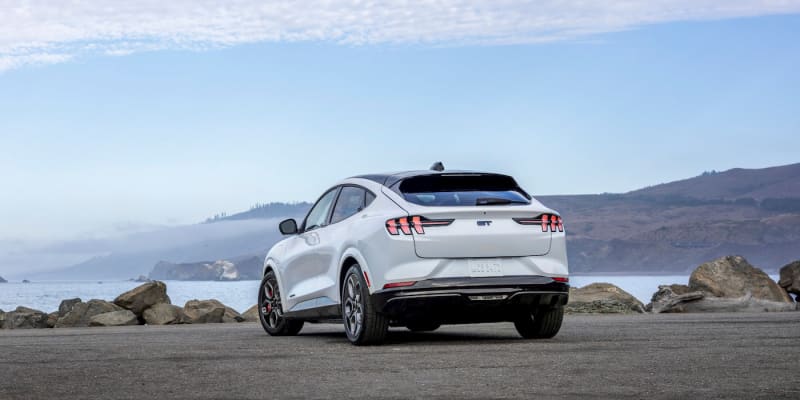
Tom drove a restored 1966 Mustang to high school every day, a family heirloom passed through six children. When three kids of his own needed more space, he chose the Mustang Mach-E. His children named the instant acceleration "the zoomies" and beg him to floor it on every trip.
"I do not miss having a gas car in the least bit," Tom said. Waking up to a full charge beats gas station stops, and the spacious interior fits car seats without the cramped wrestling match.
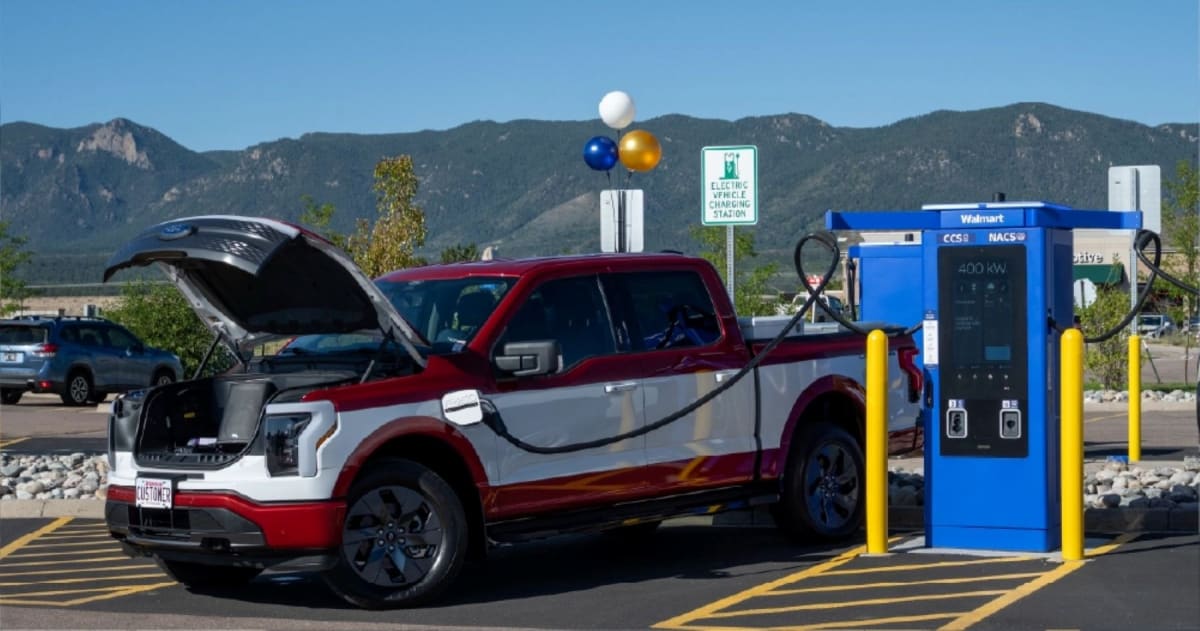
David, a mechanical engineer who collects classic Fords, went even stronger. "I can't buy another new internal combustion engine car," he said after experiencing his F-150 Lightning.
The smooth, nearly silent ride revealed something unexpected. David didn't realize how exhausted engine noise made him on long trips until it disappeared.
Why This Inspires
These stories aren't unique to Ford. Drivers who switch to electric vehicles, regardless of brand, overwhelmingly stick with them. The instant torque, home charging convenience, and quieter rides convert skeptics into evangelists.
Yet Ford currently offers just three electric vehicles in America: the F-150 Lightning, Mustang Mach-E, and E-Transit van. Rival GM sells more than a dozen EVs across Chevrolet, GMC, and Cadillac. Even Toyota, often criticized for slow EV adoption, will soon offer more electric models than Ford.
The gap may widen temporarily. Ford ended F-150 Lightning production in December and canceled plans for a three-row electric SUV due to high battery costs.
But relief is coming. Ford's new Universal EV Platform promises affordable electric vehicles starting around $30,000. The first model, a midsize electric pickup, launches in 2027 with more interior space than a Toyota RAV4 and lower ownership costs than a Tesla Model Y.
"We took a radical approach to a very hard challenge: Create affordable electric vehicles that delight customers in every way that matters," CEO Jim Farley said.
Until then, Ford will lean on hybrids and extended-range electric vehicles to bridge the gap. For Tom and David, though, the future already arrived, and it's whisper-quiet with instant zoomies.
More Images


Based on reporting by Electrek
This story was written by BrightWire based on verified news reports.
Spread the positivity!
Share this good news with someone who needs it