Ford F-150s Can Now Power Your Home During Blackouts
When the Texas freeze knocked out power in 2021, Kenneth Kovar couldn't run his septic system and had to fill toilets with pool water. Now his new Ford F-150 can power his entire home during the next crisis.
Kenneth Kovar remembers the desperate moments during Texas's 2021 Winter Storm Uri, filling toilets with water from his backyard pool because his septic system had no power. The 64-year-old from New Braunfels knew he needed a better plan for the next emergency.
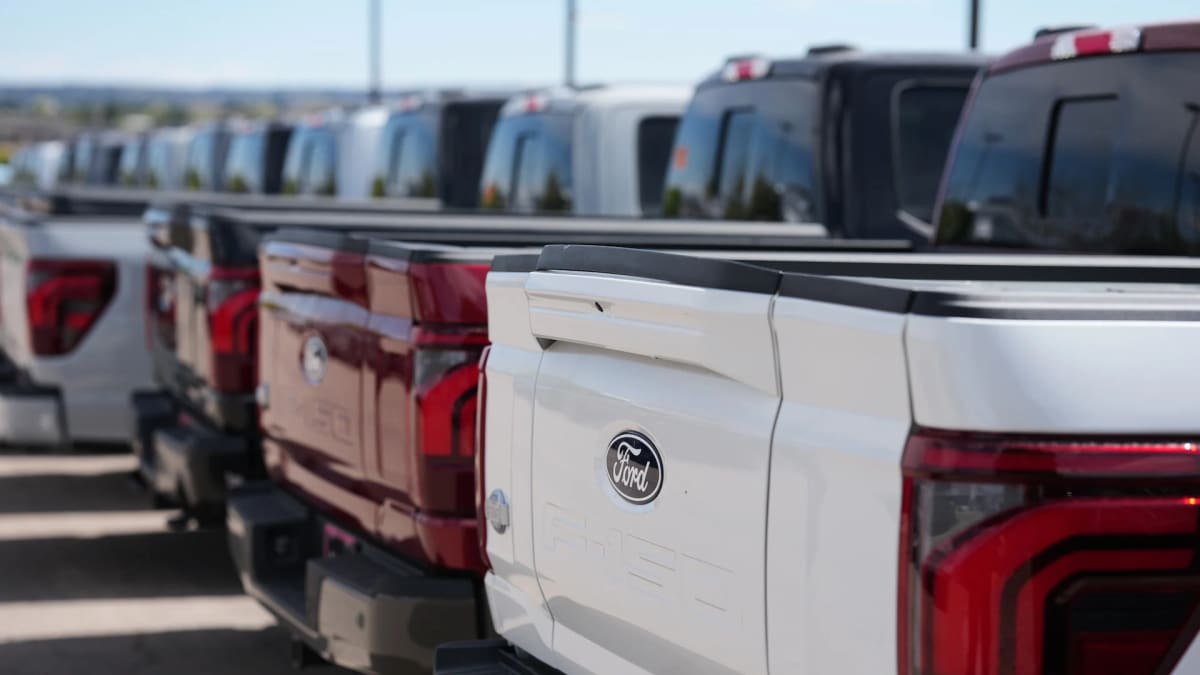
That plan arrived last fall in the form of a Ford F-150 pickup truck. Now Kovar's vehicle doesn't just get him around town—it can power his entire house during blackouts.
Ford just launched a new system that lets drivers of certain F-150 models plug their trucks directly into their home's electric meter. A simple one-foot adapter connects the truck's 240-volt outlet to a transfer switch on the meter, turning the vehicle into a massive backup generator on wheels.
The technology works with both the F-150 PowerBoost hybrid and the all-electric F-150 Lightning. When the grid fails, your driveway becomes your power plant.
Ford isn't alone in this push. As electric vehicle sales slow and power grids face increasing demand, automakers are finding creative new uses for their billion-dollar EV investments. They're betting that vehicle-to-home technology represents a growing market beyond just transportation.
The Ripple Effect
This shift goes beyond individual preparedness. When thousands of vehicles can feed power back to homes—or even back to the grid—entire communities become more resilient during disasters.
Parth Vaishnav, who studies sustainable systems at the University of Michigan, notes that car companies are actively seeking new markets for their electrification technology. Vehicle-to-home power is just the beginning of what's possible.
For families like Kovar's, the math is simple. Instead of buying a separate backup generator that sits unused most of the year, their daily driver pulls double duty. The truck that takes them to work today could keep their refrigerator running and their phones charged tomorrow.
The technology also addresses a practical reality: extreme weather events are becoming more frequent, and power grids are aging. Having mobile power sources distributed across neighborhoods could mean the difference between comfort and crisis during the next big storm.
As more automakers enter this space, the vehicles sitting in American driveways are quietly transforming into a distributed network of emergency power stations, ready when disaster strikes.
Based on reporting by Fast Company - Innovation
This story was written by BrightWire based on verified news reports.
Spread the positivity!
Share this good news with someone who needs it