Forest Thinning Boosts Snowpack 30% in Washington Study
Scientists in Washington's Cascade Mountains discovered that strategic forest thinning can increase snowpack by up to 30 percent, potentially adding 4 million gallons of water per 100 acres. The breakthrough could help Western states battle both wildfire risk and water shortages simultaneously.
Imagine solving two massive problems with one simple fix: more water for millions of people and fewer catastrophic wildfires scorching the West.
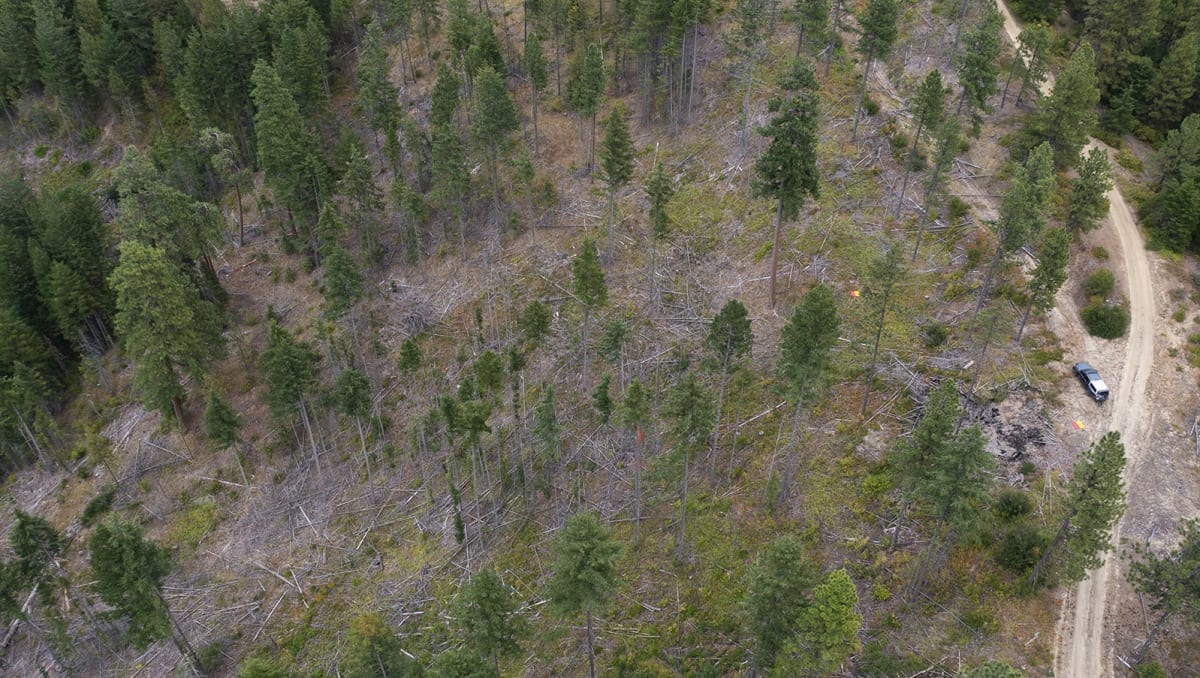
That's exactly what researchers accomplished in Washington's Cascade Mountains. By strategically spacing out trees like ponderosa pines and Douglas firs, they created up to 30 percent more snowpack compared to unthinned forest areas.
The numbers are stunning. Scaled up, that extra snowpack translates to 4 million additional gallons of water per 100 acres of forest. For context, California alone gets 30 percent of its water supply from Sierra Nevada snowpack, making every extra inch count.
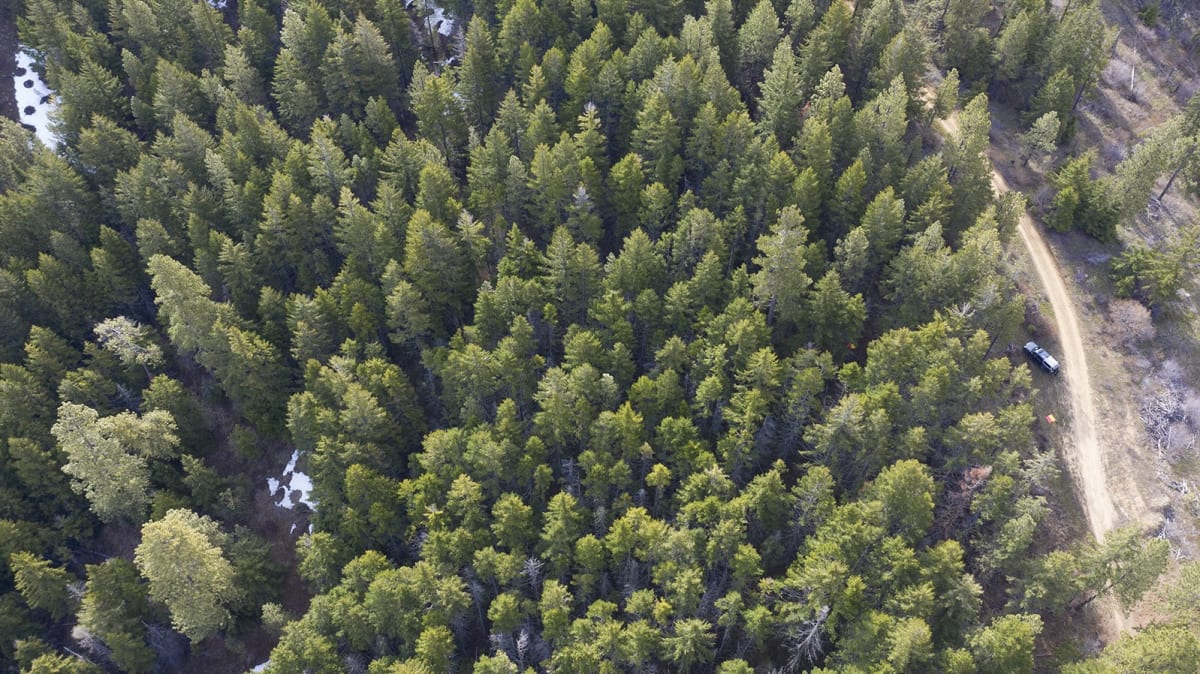
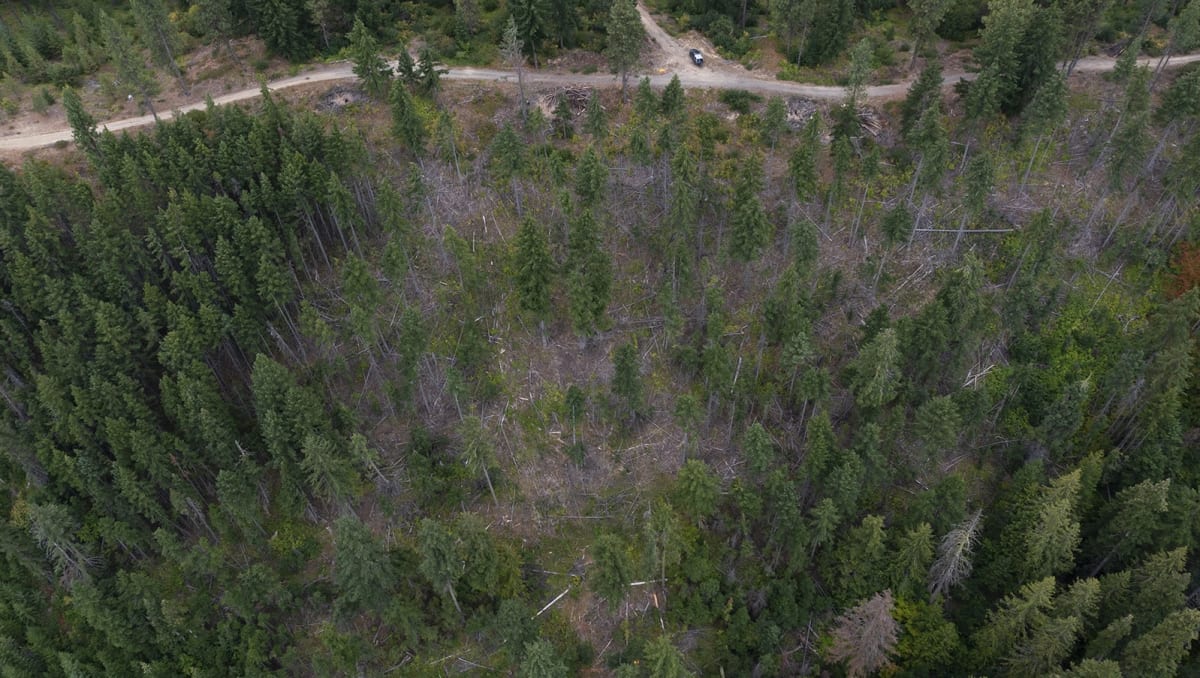
The research team tested different tree spacing patterns on north and south facing slopes. Using laser technology called lidar, they measured snow depth across plots where trees stood anywhere from 15 to 52 feet apart, then compared those areas to dense, untouched forest.
Here's the sweet spot: foresters can space trees anywhere between 13 and 52 feet and get similar water benefits. "It gives foresters a lot more flexibility in how they can manage their trees, depending on what species are there," said Emily Howe, an aquatic ecologist at the Nature Conservancy who co-authored the study.
The science behind it is straightforward. When trees crowd together, their branches intercept falling snow, and some evaporates before reaching the ground. More gaps between trees means more snow accumulates on the forest floor through winter, acting like a natural water storage system.
The Ripple Effect
This approach mirrors what happened naturally before fire suppression became standard practice. Lightning would spark frequent small fires that cleared underbrush without destroying entire forests, creating the perfect spacing pattern.
Indigenous peoples understood this wisdom for centuries, using controlled burns to maintain healthy forests. Their knowledge is now helping fire agencies rethink forest management across the West.
The benefits multiply beyond water storage. Thinned forests dramatically reduce wildfire fuel, preventing the landscape-destroying blazes that have become frighteningly common. The open spaces also invite new plant growth and grazing animals like deer, boosting biodiversity.
Scientists caution that every forest is unique, so results will vary by region and landscape. But for drought-stricken Western states watching their snowpack vanish while wildfire seasons intensify, this research offers a practical path forward.
Nature already designed the perfect forest. We're just learning to work with it again.
More Images

Based on reporting by Grist
This story was written by BrightWire based on verified news reports.
Spread the positivity!
Share this good news with someone who needs it