Forests Cool Cities by 4°C and Save Thousands of Lives
A groundbreaking study reveals forests do far more than store carbon—they lower temperatures, stabilize rainfall, and create livable conditions that protect hundreds of millions from deadly heat. When forests disappear, so does their life-saving cooling power.
Forests are keeping you cooler than you realize, and a major new scientific review shows just how much human survival depends on them.
Published this week in the journal Science, the research reveals that intact forests lower daytime temperatures by an average of 4°C compared to cleared land. During dangerous heat waves, the difference inside a forest can feel 6 to 14 degrees cooler than outside.
That's not just comfortable. It's lifesaving.
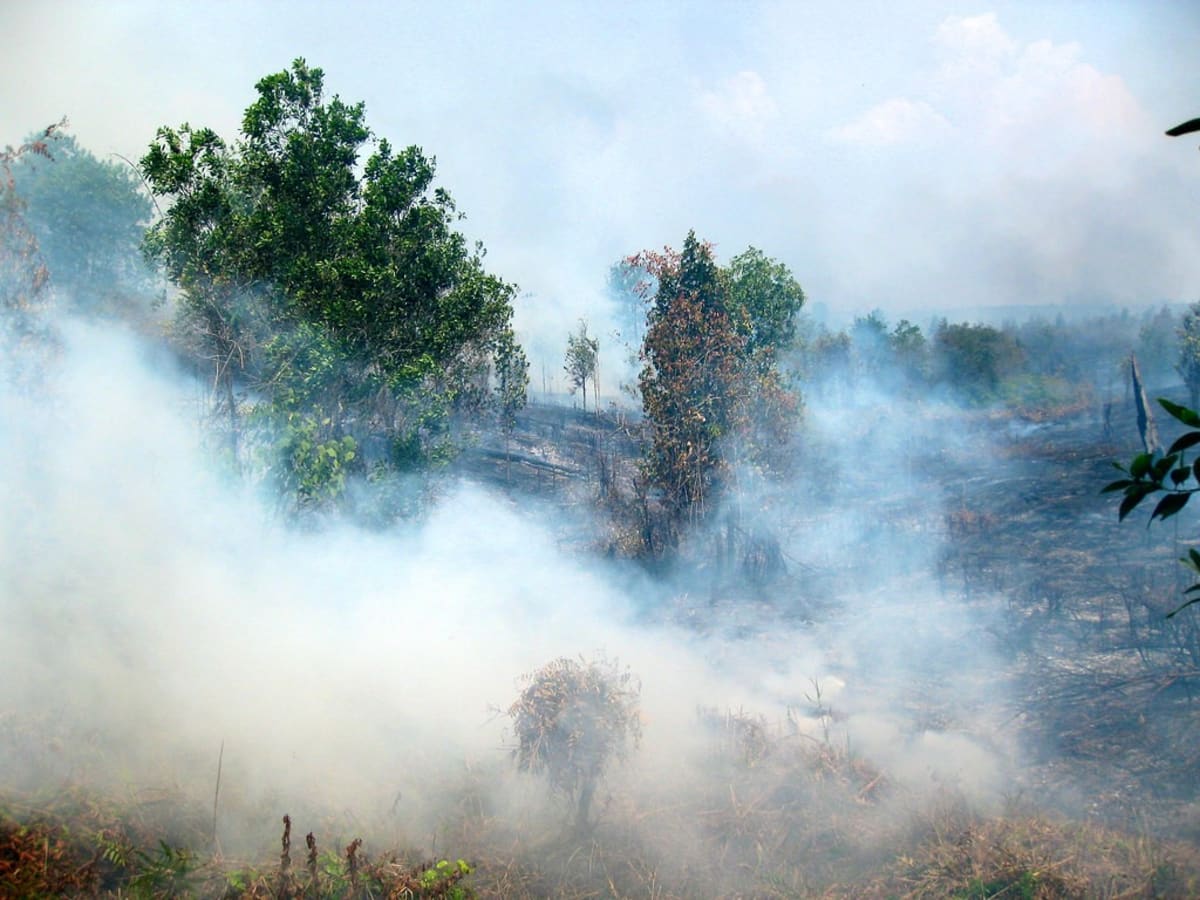
Scientists estimate that tropical deforestation has exposed hundreds of millions of people to higher temperatures and contributes to tens of thousands of heat-related deaths every year. The local warming from cutting down trees can match or exceed the effects of global climate change in the same region.
For decades, forest protection has focused almost entirely on carbon storage. Trees absorb carbon dioxide and slow greenhouse gas buildup. But this new review argues we've been missing the bigger picture.
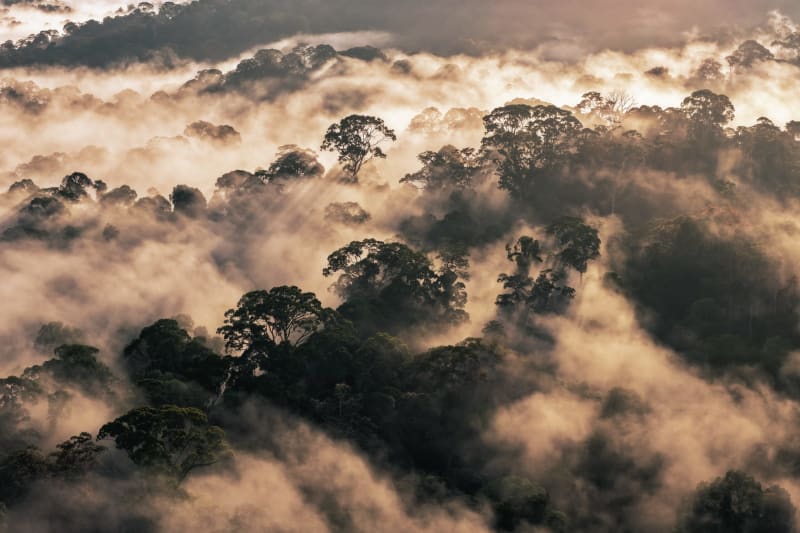
Forests act as natural air conditioners through a process called evapotranspiration. Tree canopies shade the ground while releasing water vapor that converts heat into moisture. The result is cooler days and milder nights, especially in tropical regions where cooling effects often exceed 6°C.
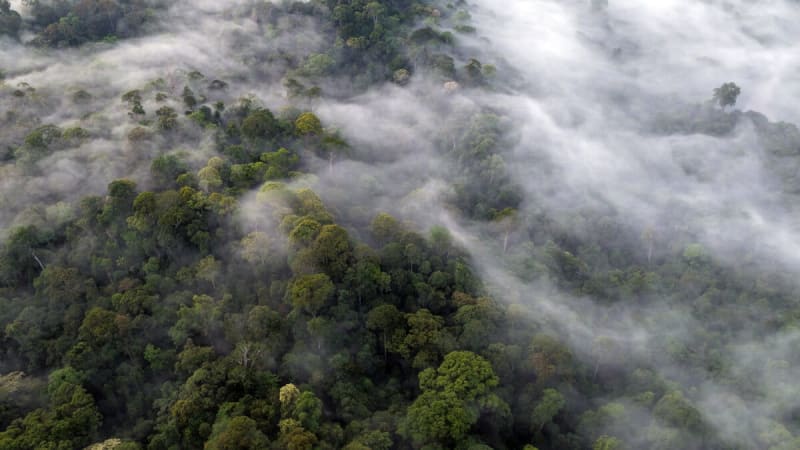
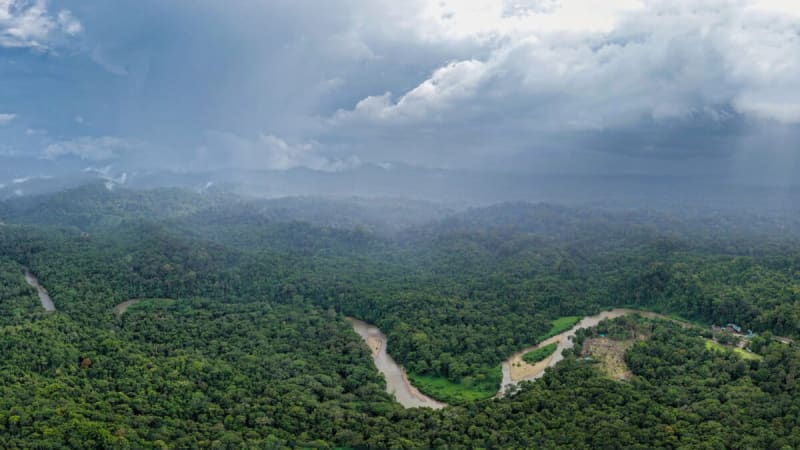
Even city trees make a measurable difference, lowering urban air temperatures by about 1.5 to 1.7°C on sunny days. In places like Borneo, areas that kept their forests showed stable temperatures and rainfall, while heavily cleared regions experienced more heat extremes and declining precipitation.
Forests also manage water in ways infrastructure cannot replicate. They capture rainfall, recharge groundwater, and return moisture to the atmosphere. In humid regions this stabilizes water flow and reduces flood risk.
The benefits work best where forests naturally belong. Planting trees in tundra or grasslands that evolved without them can actually cause warming because dark canopies absorb more sunlight than snow or grass.
The Bright Side
This research gives communities a powerful new tool for climate adaptation. While climate policy typically measures forests in tons of carbon, protecting existing forests or restoring native ones delivers immediate, local benefits that seawalls and cooling systems cannot match.
Forest protection supports human health, agriculture, and daily life while also helping biodiversity and local livelihoods. The cooling and water regulation happen now, not decades from future carbon reductions.
Scientists studied nearly one hundred field sites worldwide and found the pattern held across continents. Where native forests thrive, people experience more stable temperatures, reliable water, and protection from climate extremes.
The study's authors are clear that forests alone cannot stop global warming, and poorly planned tree planting can strain water supplies or harm existing ecosystems. But their central finding offers genuine hope: forests don't just slow climate change—they help us live through it.
As heat waves intensify worldwide, the trees already standing may be our most effective climate infrastructure.
More Images

Based on reporting by Mongabay
This story was written by BrightWire based on verified news reports.
Spread the positivity!
Share this good news with someone who needs it