Forests Return Across Europe, Asia and North America
After centuries of cutting down ancient forests, something remarkable is happening: the trees are coming back. New satellite data shows forests are regrowing across much of the developed world, covering areas the size of entire countries.
Forests once destroyed by farms and cities are returning to life across Europe, Asia, and North America. Since 1990, these regions have gained forest cover equal to massive swaths of land—an area the size of Sweden in Europe alone, and twice the size of Japan in East Asia.
This isn't wishful thinking. Scientists using satellites, drones, and ground surveys have mapped the change, and the results tell a hopeful story about how technology is helping us produce more while using less land.
The biggest reason for the comeback? People are moving to cities. As agriculture becomes more efficient and mechanized, it needs less land and concentrates in the most productive areas. The result: abandoned farms and pastures are returning to wilderness on their own.
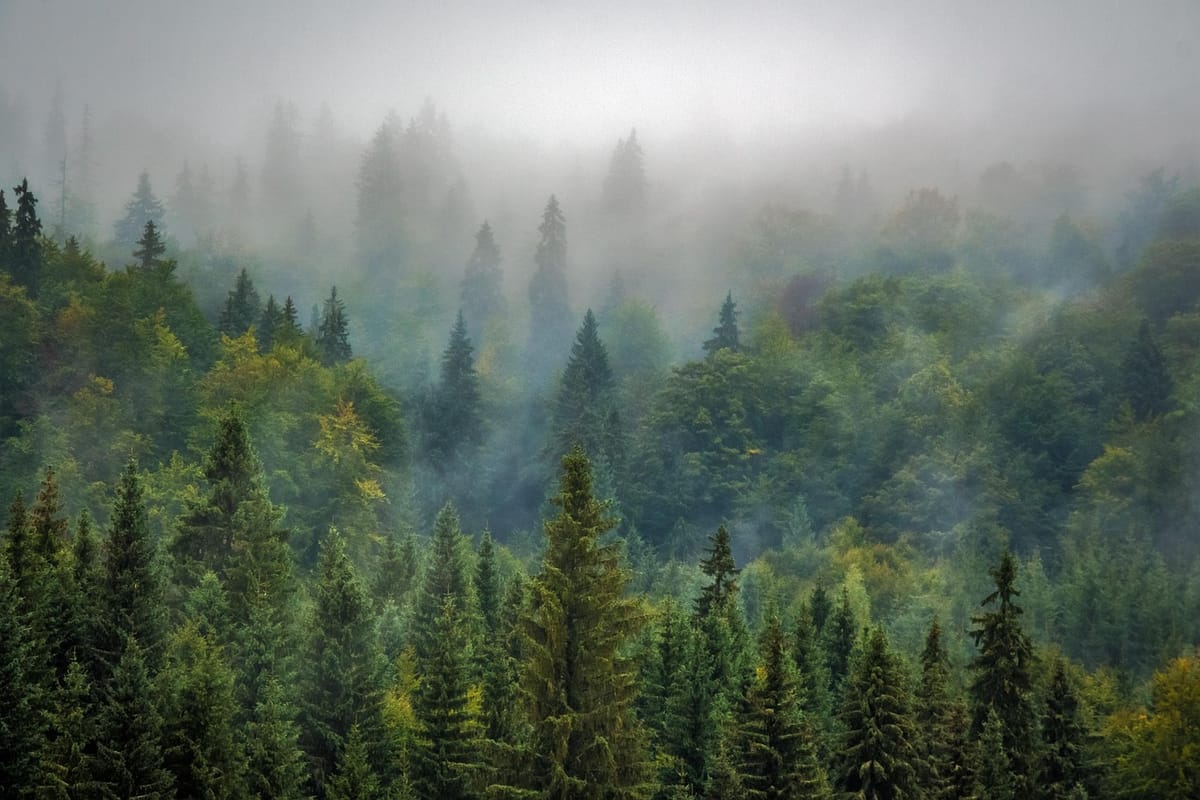
In New England and rural Appalachia, former farmland now sprouts native pine, maple, and cherry trees. While these young forests are simpler than the ancient woodlands they replace, they're following nature's normal pattern of regeneration and will become richer over time.
Some countries are speeding up the process. China pays rural farmers through its Grain for Green program to restore natural vegetation. Japan and South Korea planted fast-growing species to stop soil erosion. Even America's Great Plains Shelterbelt from the 1930s successfully reversed the Dust Bowl by planting millions of trees.
The planet still loses more forest than it gains, mostly in South America and Africa. But even there, deforestation is slowing. Only 29 percent of tropical deforestation happens for products sold to other countries—the rest comes from domestic demand.
The Bright Side
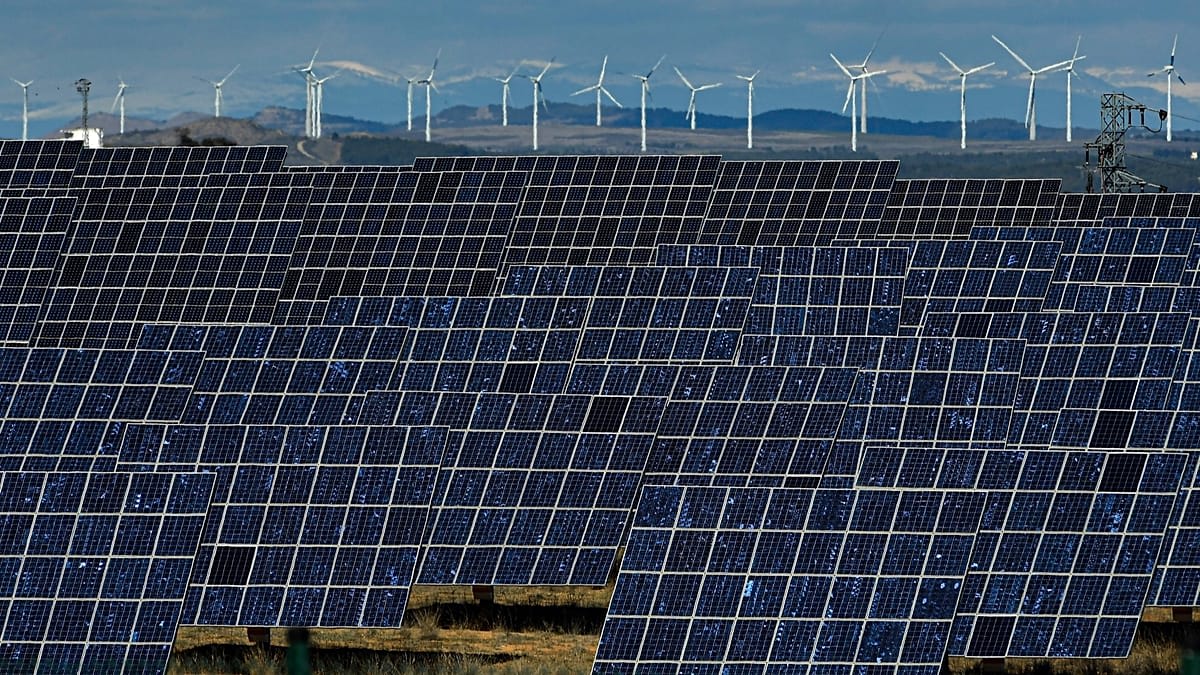
This matters because it shows the pattern isn't permanent. As countries develop better farming technology, they need less land to grow the same amount of food. Advanced methods like vertical farming and renewable energy integrated with agriculture could slash our environmental footprint even further.
Nature proves remarkably resilient when we give it space. In Slovenia's Kocevski Rog region, forests returned so completely in less than a century that old photos of the same bare hillsides look like a different planet.
If wealthy nations share green technologies with developing countries, and if we all make small changes like eating less beef, forests worldwide could follow the same path back to life.
Based on reporting by Google News - Reforestation
This story was written by BrightWire based on verified news reports.
Spread the positivity!
Share this good news with someone who needs it