Formula E Uses AI to Make Electric Cars Smarter
Racing teams are using artificial intelligence to squeeze every drop of energy from electric race cars. The breakthrough could help your next EV go farther on a single charge.
The future of electric vehicles isn't just about bigger batteries. It's about teaching cars to think smarter about energy, and racing is showing the way.
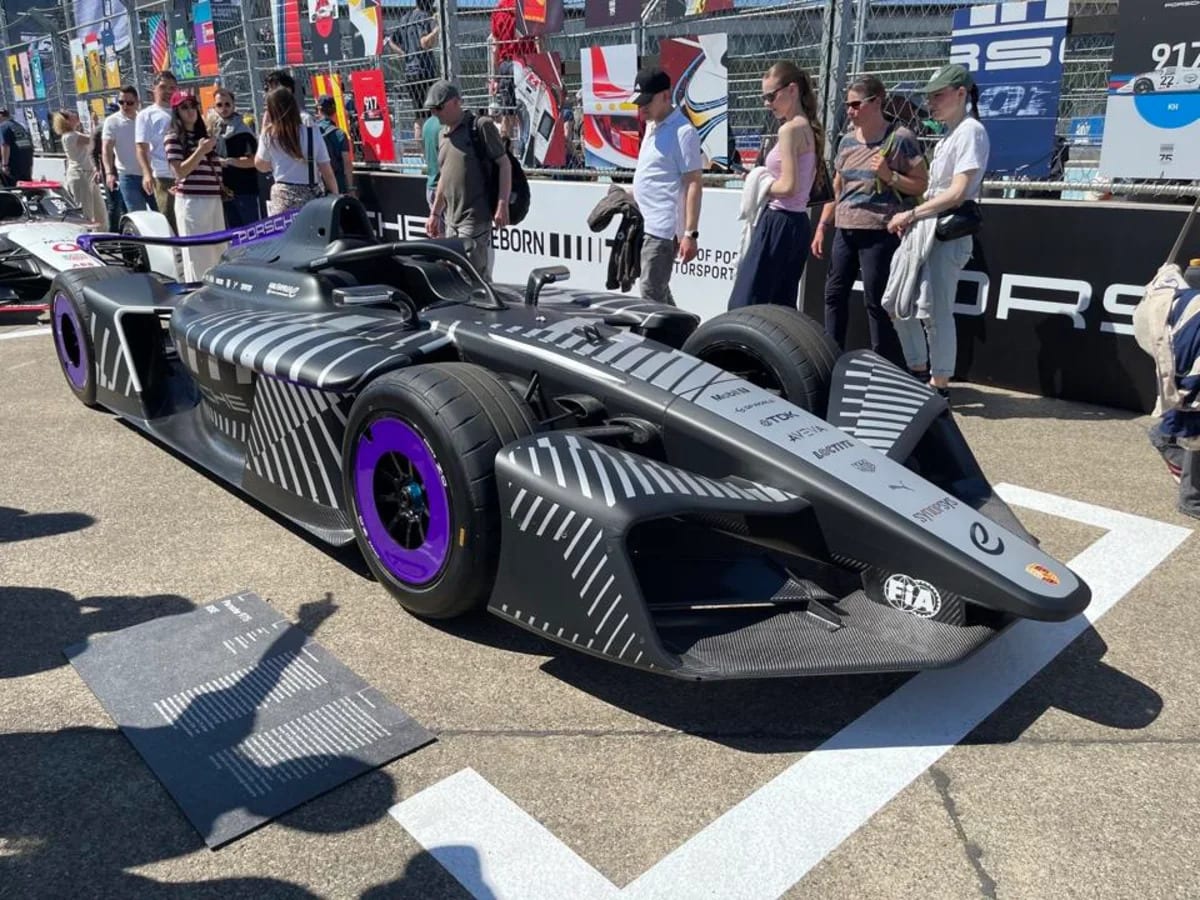
Formula E, the all-electric racing championship, is pioneering artificial intelligence systems that manage power with incredible precision. Teams have pushed electric motor efficiency to 91.5%, a number that would have seemed impossible just years ago.
"AI is the biggest thing to happen to our industry since the birth of the Internet," says Dan Cherowbrier, Formula E's Chief Technology Officer. The championship's new GEN4 race cars, launching in 2026, rely more on intelligent software than raw hardware to win races.
Here's what makes this exciting for everyday drivers. Formula E teams must complete entire races on a single battery charge while maintaining blistering speeds. Their solution isn't carrying more battery weight but using AI to predict when to save energy and when to push hard.
Ian James, Team Principal of Jaguar TCS Racing, explains that hardware differences between competing teams have nearly vanished. "This means that there's a lot more focus now on the software as the performance differentiator," he says.
Racing serves as the perfect testing ground for technology that will soon reach regular electric vehicles. Formula E partners with companies like ABB to develop systems under extreme conditions before rolling them out commercially.
One example is a compact DC-to-DC converter that manages electricity flow between the battery and various car systems. It sounds simple, but delivering exactly the right amount of power at precisely the right moment requires sophisticated AI algorithms.
The Ripple Effect
The lessons from Formula E are already influencing how automakers like Tesla, Rivian, and Volvo design their vehicles. Companies increasingly compete on software capabilities rather than just battery size or motor power.
This approach matters because it could make electric vehicles more affordable and practical. Instead of adding expensive battery capacity to extend range, manufacturers can use AI to extract more miles from existing batteries.
The racing partnership works both ways. Formula E gets cutting-edge technology to test, while tech companies gain a demanding real-world laboratory where new ideas face extreme challenges. ABB has sponsored the championship for over eight years, using racing to refine products that later appear in commercial charging stations.
Even charging infrastructure benefits from these innovations. When Formula E needs to charge 20 race cars simultaneously at temporary locations without robust power grids, the solutions developed mirror what's needed at busy public charging stations.
Your next electric car might not boast a revolutionary new battery chemistry or groundbreaking motor design. Instead, it may simply be smarter about using the energy it already has, learning efficiency tricks first mastered on the racetrack.
More Images


Based on reporting by Google News - Electric Vehicle
This story was written by BrightWire based on verified news reports.
Spread the positivity!
Share this good news with someone who needs it