Four Astronauts Splash Down After Historic Moon Mission
NASA's Artemis II crew returned to Earth on Friday after humanity's first lunar voyage in over 50 years, setting the stage for a moon landing in 2026. The diverse four-person team broke distance records and captured stunning new views of the moon's far side.
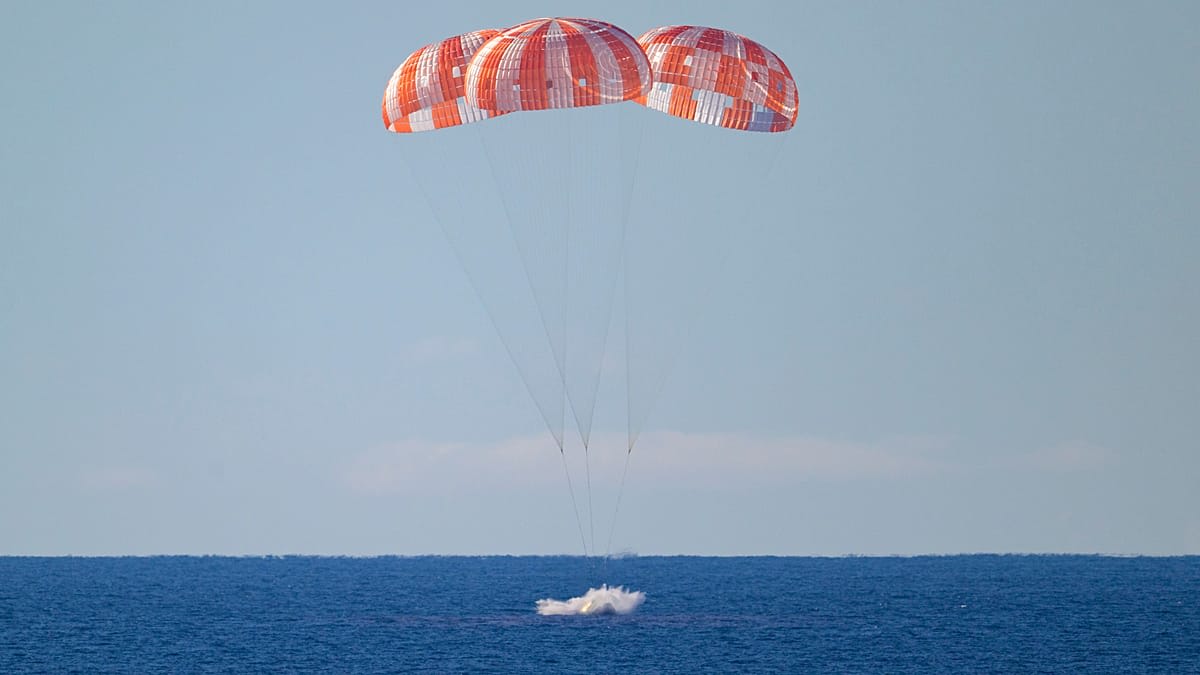
Four astronauts splashed down safely in the Pacific Ocean on Friday, completing a historic journey that brought humanity back to the moon for the first time since 1972.
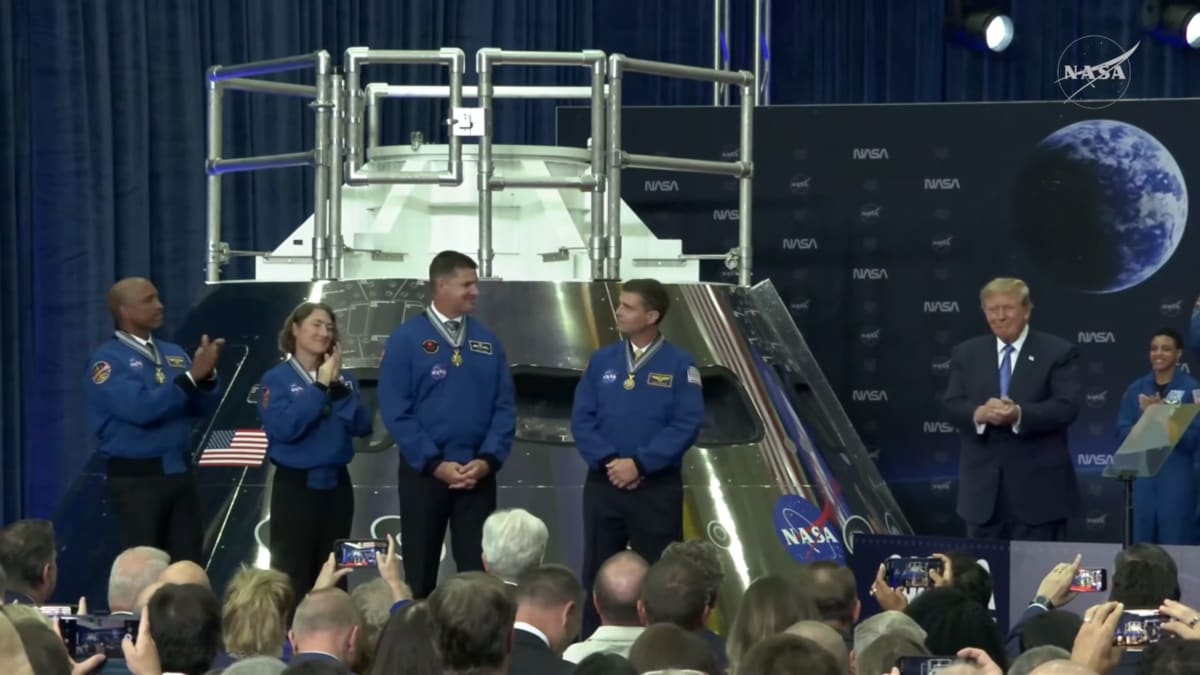
The Artemis II crew—commander Reid Wiseman, pilot Victor Glover, Christina Koch, and Canada's Jeremy Hansen—emerged smiling from their capsule off the coast of San Diego. Military helicopters lifted them one by one from an inflatable raft onto the USS John P. Murtha recovery ship.
Their ten-day mission launched from Florida on April 1 and rewrote the record books. The crew traveled 406,771 kilometers from Earth, the farthest humans have ever ventured into space. They didn't land on the moon, but they flew close enough to document parts of the lunar far side never before seen by human eyes.
The return journey tested NASA's technology to the limit. The Orion capsule, nicknamed Integrity, plunged through Earth's atmosphere at 33 times the speed of sound. Mission Control held its breath during a six-minute communication blackout as the spacecraft's heat shield withstood temperatures of thousands of degrees.
This mission marked several firsts for NASA. Koch became the first woman to fly to the moon. Glover became the first Black astronaut to make the journey. Hansen became the first non-American to circle the moon, filling Canada with pride.
The crew's most moving moment came during their closest approach to the moon. The astronauts witnessed a total solar eclipse from space and asked permission to name two lunar craters after their spacecraft and Wiseman's late wife, Carroll. Their photographs of Earth setting behind the moon echoed the famous Earthrise image from Apollo 8 in 1968.
The Ripple Effect
This successful mission paves the way for Artemis III, scheduled to land astronauts on the lunar surface in just two years. NASA plans to establish a permanent moon base within the decade, creating a sustainable human presence beyond Earth.
"We are back in the business of sending astronauts to the moon, bringing them back safely, and setting up for a series more," said NASA Administrator Jared Isaacman. "This is just the beginning."
The astronauts refused wheelchairs as they walked from the helicopters to the ship's medical bay for routine checks. Their teamwork and wonder throughout the mission reminded the world why space exploration inspires us to dream bigger.
Hundreds of NASA employees poured from support rooms into Mission Control to celebrate. Families who watched anxiously from the viewing room cheered as the capsule emerged from its blackout and touched down safely.
The moon is calling humanity back, and this time, we're bringing everyone along for the journey.
More Images



Based on reporting by Euronews
This story was written by BrightWire based on verified news reports.
Spread the positivity!
Share this good news with someone who needs it