Four Cancer Researchers Shaping Tomorrow's Treatments
A new generation of scientists is tackling cancer from fresh angles, from mapping DNA patterns to creating glowing probes that light up tumors. Their work promises earlier detection and better survival rates for millions.
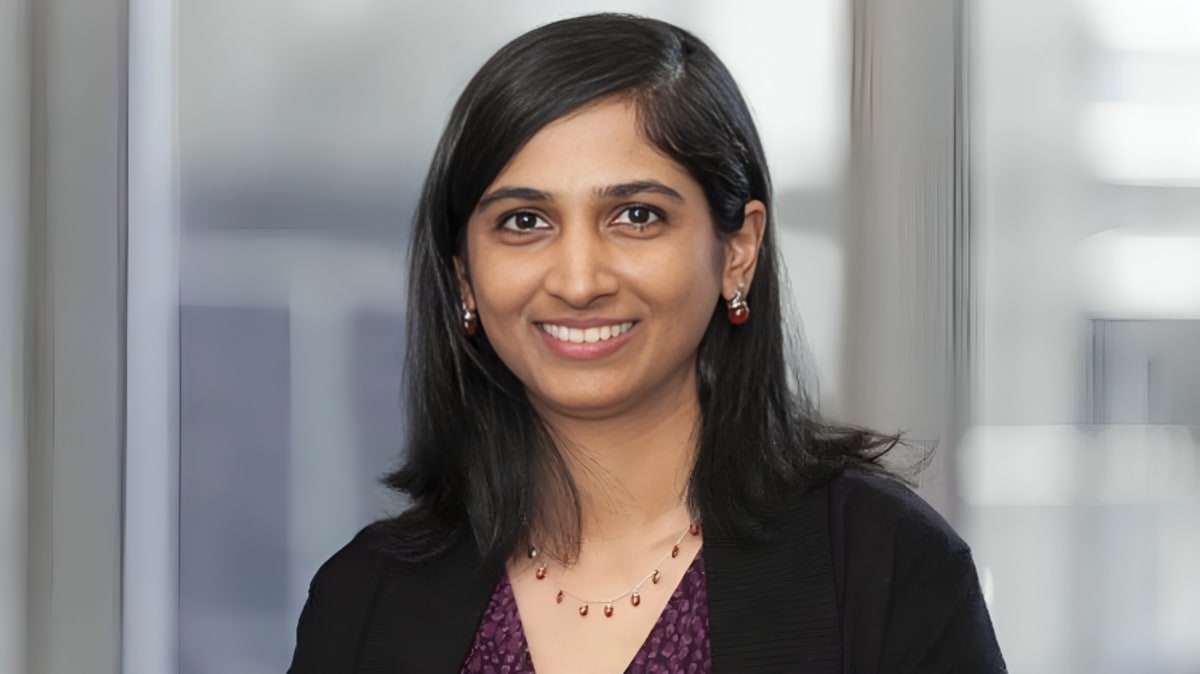
When Ayesha Noorani's uncle died of esophageal cancer in his early 50s, she abandoned her plans to become a vascular surgeon and chose a different fight. Today, she's hunting for the genetic signatures that explain why some people develop cancer while others don't.
Noorani studies two of the deadliest cancers, gastric and esophageal, at the Wellcome Sanger Institute in Cambridge. She focuses on people with conditions like achalasia and Chagas disease, which increase cancer risk, to map how cells change before cancer even appears.
Her research already revealed something surprising about how esophageal cancer spreads. Previous thinking suggested cancer moved step by step through lymph nodes, but Noorani's team found it actually jumps quickly from the original tumor to multiple sites at once.
That discovery supports why doctors now continue chemotherapy after surgery to catch those scattered cells. It's also increasingly urgent work because these cancers now strike people in their 30s and 40s more often than before.
Meanwhile, chemical engineer Cheng Xu is solving a different puzzle at Singapore's Nanyang Technological University. Traditional fluorescent markers help doctors spot tumors during surgery, but they stop glowing the moment you turn off the light source.
Xu's team developed "afterglow probes" that keep shining even after the light switches off. Unlike older versions made with potentially toxic heavy metals like chromium and zinc, these new probes use safer organic materials.
The challenge? Light only penetrates about two centimeters into tissue, making it hard to detect deeper cancers. But the continuous glow means doctors get clearer images without needing constant external illumination.
Both researchers started with personal motivations. Noorani remembers watching her parents run a small hospital in Karachi and seeing their team work together with fierce dedication.
Xu pivoted from traditional medicine to nanotechnology during his master's degree, realizing that better imaging tools could transform how early we catch cancer.
THE RIPPLE EFFECT
These advances don't just help individual patients. Noorani's genetic mapping could identify at-risk people decades before symptoms appear, when treatment works best. Xu's imaging technology could make cancer detection less invasive and more accurate across hospitals worldwide. Together with colleagues working on similar breakthroughs, they're chipping away at cancer's wall from multiple directions at once.
Some days feel like an uphill battle, Noorani admits, but the collaborative spirit keeps her going. Every small discovery brings the whole field closer to better outcomes for the millions who hear those three frightening words: "You have cancer."
More Images

Based on reporting by Nature News
This story was written by BrightWire based on verified news reports.
Spread the positivity!
Share this good news with someone who needs it