Four Film Archives Unite to Reconstruct Welles's Quixote
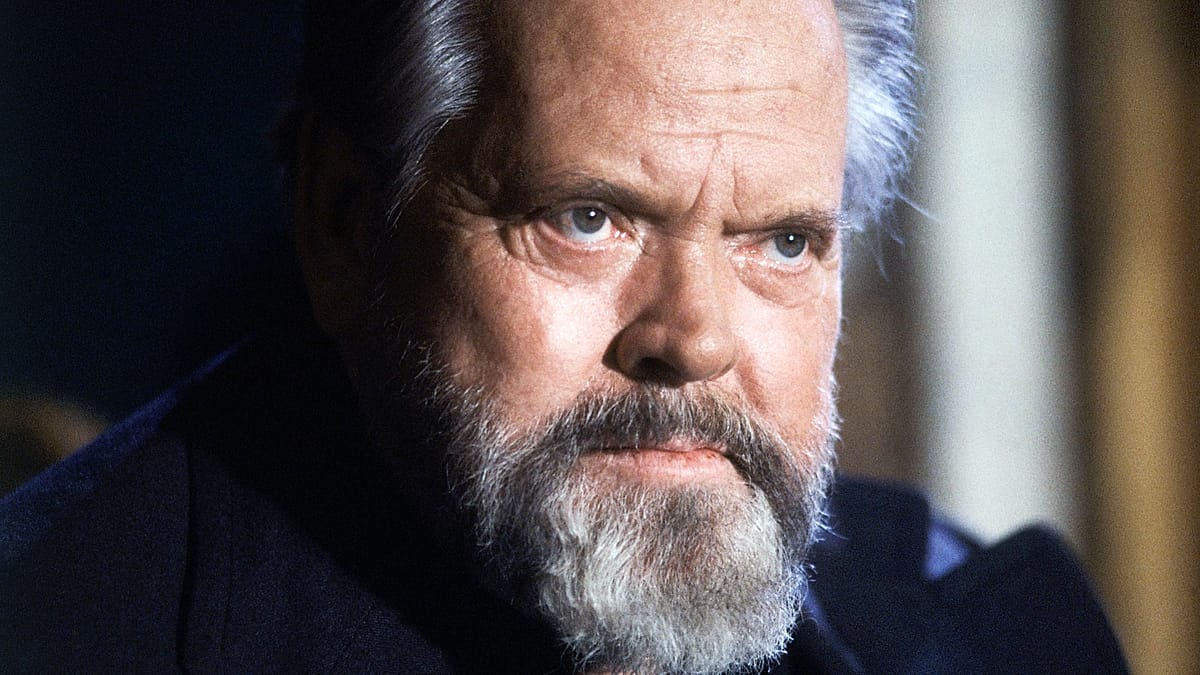
Four European film archives are joining forces to piece together Orson Welles's unfinished Don Quixote, a passion project the legendary director pursued for 30 years across the Spanish countryside. The ambitious reconstruction aims to finally realize the vision of one of cinema's greatest filmmakers.
One of cinema's most legendary unfinished films may finally come to life, nearly 40 years after its creator's death.
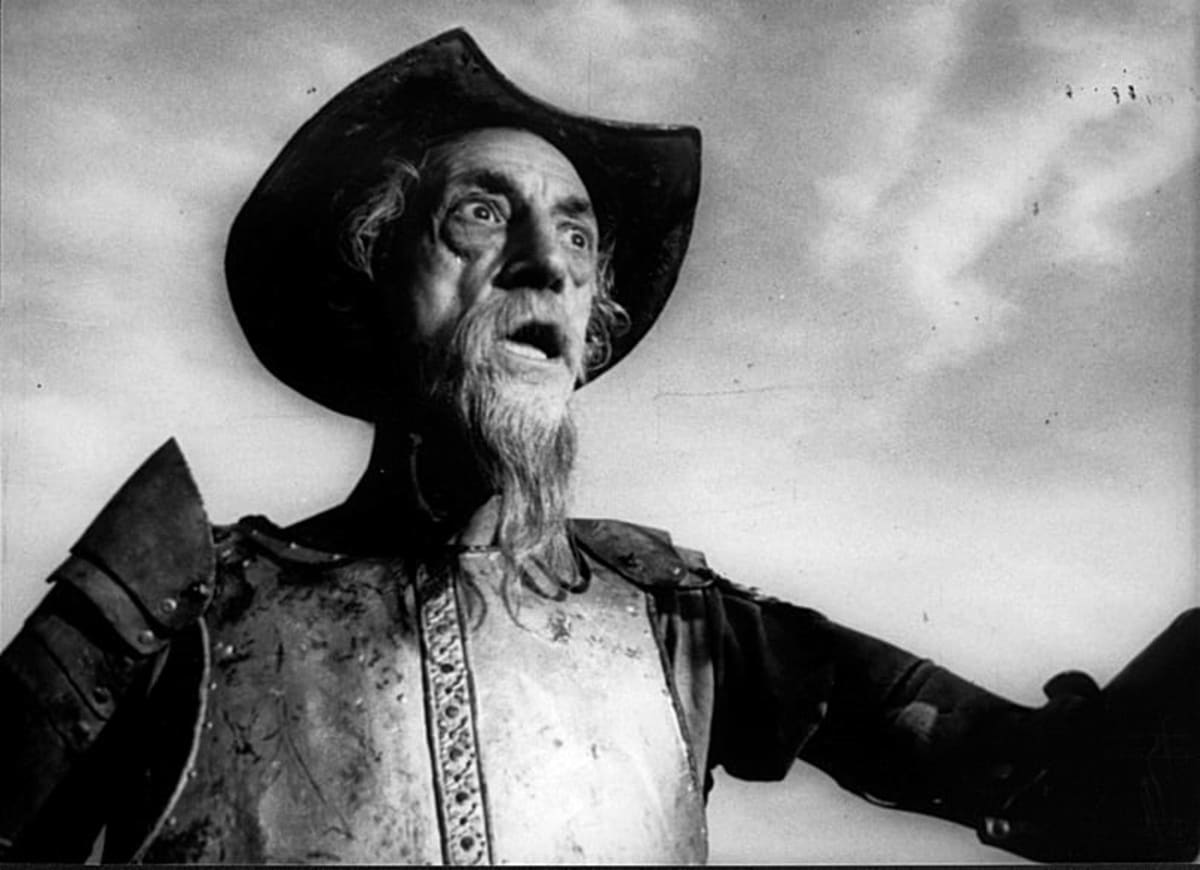
The Spanish Film Archive is partnering with France's Cinémathèque Française, Italy's Cineteca Nazionale, and Munich's Filmmuseum to reconstruct Orson Welles's lifelong obsession: his adaptation of Don Quixote. The director of Citizen Kane spent three decades filming the Spanish classic between 1957 and his death in 1985, but never completed it.
The project faces a fascinating challenge. Welles kept changing his vision, adding and discarding footage as he moved through different Spanish towns like Calatañazor, Pedraza, and Brihuega, all while keeping the shoot hidden from Franco's regime and his own film producers.
"We are not talking about a restoration," explains Esteve Riambau, a Welles historian leading the effort. "We're talking about reconstructing a film whose ideas and materials kept changing."
The four institutions are working with roughly 70,000 meters of film and a 2,000-page script. Throughout 2026, they'll study and digitize the material. In 2027, they'll analyze sequences and variations to piece together something faithful to Welles's intentions.
This marks a redemption of sorts. A 1992 attempt to complete the film for Seville's Universal Exposition disappointed audiences by mixing Welles's footage with unrelated documentary material and even smuggling in scenes from another director.
The Bright Side
This time, the reconstruction will rely only on Welles's original material and human expertise. Riambau firmly ruled out using artificial intelligence, ensuring the final result honors the filmmaker's artistic vision rather than filling gaps with synthetic content.
The American director clearly loved the Spanish heartland where Cervantes set his tale. When asked in 1960 which Spanish town he'd choose to live in, Welles picked Ávila without hesitation, despite its harsh climate.
The new reconstruction aims for a cultural presentation rather than commercial release, prioritizing authenticity over box office appeal. It represents a rare chance to glimpse inside the creative process of a filmmaker who revolutionized cinema with his non-linear storytelling and moral complexity.
For film lovers worldwide, this collaboration offers something precious: the possibility of experiencing a lost masterpiece from one of history's most influential directors, assembled with the care and respect his three-decade labor of love deserves.
More Images


Based on reporting by Euronews
This story was written by BrightWire based on verified news reports.
Spread the positivity!
Share this good news with someone who needs it

%2Ffile%2Fattachments%2F2997%2FStudentslistentoateacheratCwebeniJuniorSecondaryschoolonFebruary22024inCwebeniaruralvillageoutsidePortStJohnsSouthAfrica_751896.jpg)