Four Gray Titi Monkeys Return to Colombia's Wild
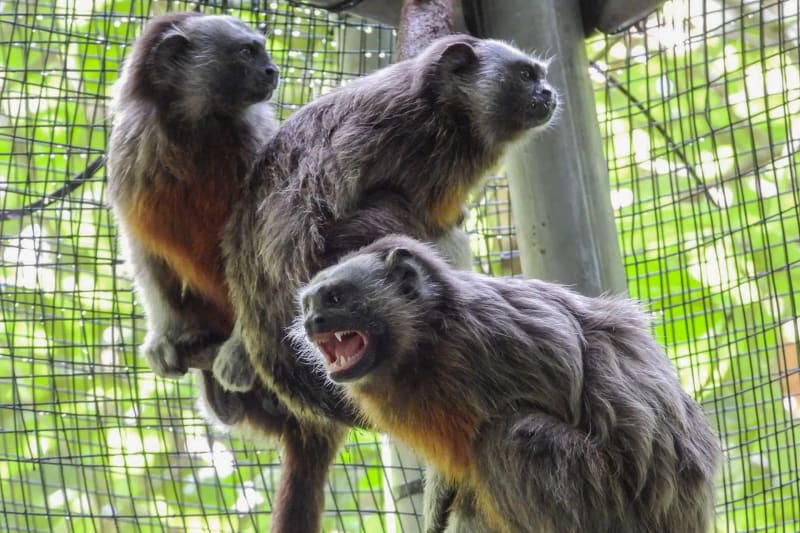
Four endangered gray titi monkeys just returned to the forests of Colombia's Aburrá Valley after being rescued from illegal captivity. Their successful release shows that specialized rehabilitation can reverse the damage done by wildlife trafficking.
Four gray titi monkeys are swinging through Colombia's forests again, free for the first time in months after being rescued from illegal possession. The primates were released in the Aburrá Valley near Medellín after completing a comprehensive rehabilitation program designed to prepare them for survival in the wild.
The monkeys arrived at the Wildlife Care, Assessment, and Rehabilitation Center (CAVR) of the Aburrá Valley Metropolitan Area in various states of distress. Some had lost their family groups, while others faced serious risks from human activity after being kept as illegal pets.
The rehabilitation team worked methodically to undo the damage of captivity. They reduced the animals' dependence on humans, strengthened their natural foraging behaviors, and helped them relearn the skills needed to thrive independently.
The release followed strict scientific protocols. Staff prepared an appropriate habitat, gradually opened enclosures to give the monkeys time to adjust, and monitored their behavior closely as they explored their new territory.
The gray titi monkey plays an irreplaceable role in Colombia's ecosystems as a seed disperser. When these primates eat fruit and travel through the forest, they spread seeds that regenerate trees and maintain the health of entire woodland areas.
This species exists nowhere else on Earth outside Colombia. Their presence in metropolitan areas like Medellín helps maintain environmental balance in regions where human development creates intense pressure on natural habitats.
The Ripple Effect
The successful release creates hope beyond these four individuals. Since 2024, the CAVR has received 20 gray titi monkeys, revealing how widespread illegal wildlife possession remains in the region.
Environmental authorities are using these cases to educate citizens about a crucial message: wild animals are not pets. When people see wildlife in distress or captivity, reporting it promptly can mean the difference between life and death for these animals.
The work happening in the Aburrá Valley demonstrates that reversing wildlife trafficking damage is possible with proper resources. The collaboration between the CAVR and the Regional Autonomous Corporation of Caldas created a model that could help other trafficked animals across Colombia.
Protecting the gray titi monkey preserves more than one species. These primates help forests regenerate, support biodiversity, and strengthen ecosystem resilience against climate change and environmental degradation.
Four small monkeys just got their freedom back, and with it, Colombia's forests got a little stronger.
More Images
Based on reporting by Google News - Colombia Progress
This story was written by BrightWire based on verified news reports.
Spread the positivity!
Share this good news with someone who needs it