Four Indian Artists Turn废品 into Hope in Bengaluru
Four contemporary artists are transforming discarded materials and ancient myths into stunning works that celebrate sustainability, spirituality, and renewal. Their exhibition in Bengaluru proves that environmental responsibility and breathtaking art can walk hand in hand.
When artist Mahesh Karambele collects weathered remnants of fishing boats abandoned to the sea, he sees more than trash. He sees transformation, impermanence, and the powerful story of nature reclaiming what humans discard.
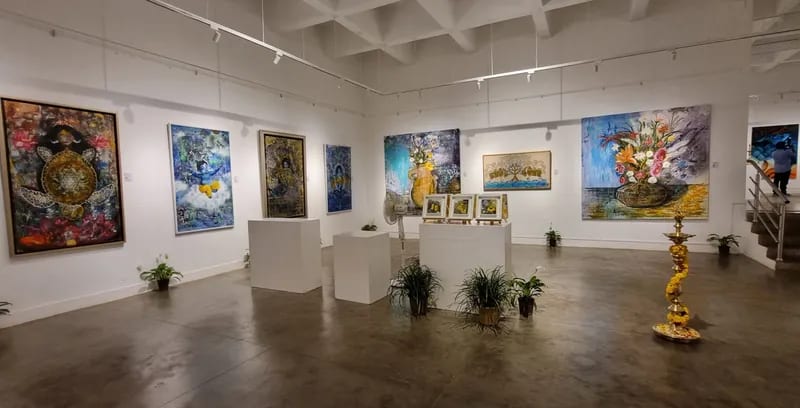
Karambele is one of four artists featured in "Echoes Within," an exhibition at Karnataka Chitrakala Parishath in Bengaluru this weekend. Together with Shruti Gupta Kasana, Amrish Malvankar, and Nitya Soni, he's proving that contemporary Indian art can be both visually stunning and deeply meaningful.
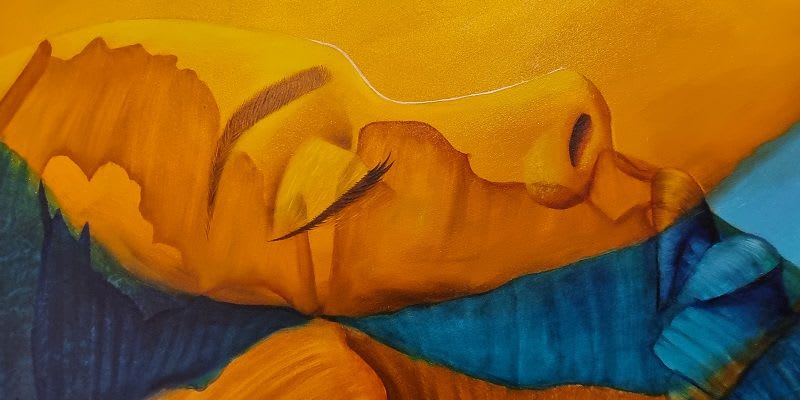
Each artist brings something unique to the collection. Kasana, a graduate of NIFT Mumbai, weaves jute with cotton to create eco-textiles that fuse figurative expression with tactile materials like embroidery and hand knitting. Her work "Sampurn Vrindavan" represents the balance between nature, divinity, and human existence.
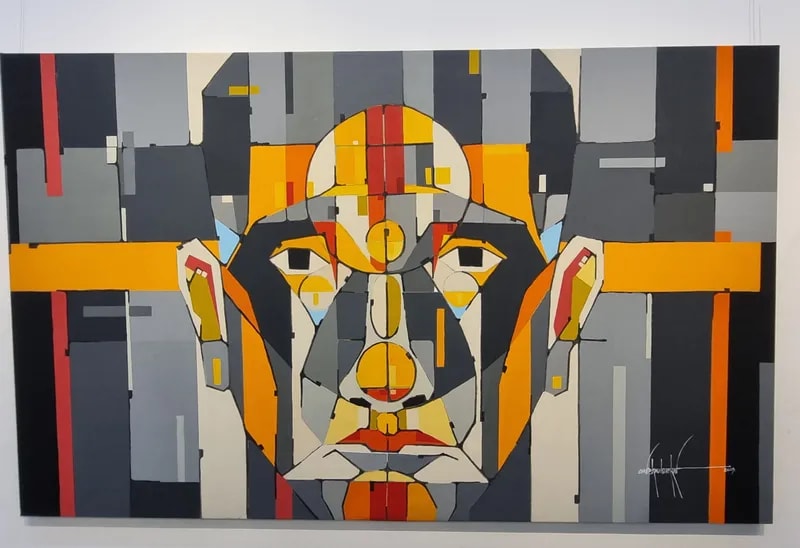
Malvankar, an architect turned artist, combines spatial sensibility with visual language in works that have traveled from Mumbai to Miami to New York. His "Mindscape" series explores the quiet tension between thought and feeling, where the mind seeks order but emotion gently disrupts it.
Nitya Soni bridges art and science as both a contemporary artist and researcher at the Indian Institute of Science. His works use trees and changing seasons as metaphors for emotional growth, loss, and renewal, reminding viewers that ordinary moments hold extraordinary meaning if we pause long enough to look.
The Ripple Effect
The exhibition has drawn art collectors, students, cultural influencers, and curious visitors who leave with more than aesthetic appreciation. These artworks spark conversations about how creativity can address environmental challenges while honoring cultural traditions.
Kasana's development of eco-textiles shows other artists that sustainability isn't a limitation but a new artistic language. Karambele's use of discarded fishing boat remnants demonstrates how waste can become vessels of artistic expression, shifting how viewers see both art and environmental responsibility.
The exhibition showcases how contemporary Indian artists are evolving beyond traditional forms while still drawing inspiration from mythology and nature. Their diverse interpretations of transformation, spirituality, and awakening create space for contemplation in our rushed modern lives.
When Karambele says "destruction is never an end but the beginning," he captures what makes this collection special: it transforms what others discard into messages of hope, reminding us that renewal is always possible.
More Images


Based on reporting by YourStory India
This story was written by BrightWire based on verified news reports.
Spread the positivity!
Share this good news with someone who needs it