France Defies Boycott Threat to Play U20 Women's World Cup
France confirmed it will compete in next month's Under-20 Women's World Cup despite European football's threatened boycott of FIFA competitions. The move offers hope that young women athletes won't miss their chance to shine on the world stage.
Young women footballers across Europe can breathe a sigh of relief as France becomes the first nation to confirm it will compete in the Under-20 Women's World Cup, breaking ranks with a threatened European boycott.
The French Football Federation told BBC Sport that its plans for the tournament in Poland, starting September 5, remain unchanged. The decision offers a lifeline to talented young players who have worked years to reach football's biggest youth stage.
The controversy began when FIFA president Gianni Infantino proposed selling stakes in competitions to private investors. European football's 55 member associations responded by threatening to boycott all FIFA tournaments until the plan was dropped.
Infantino has since abandoned the proposal and apologized for his "errors." But UEFA warned the boycott could still proceed, leaving six European teams scheduled for the tournament in limbo.
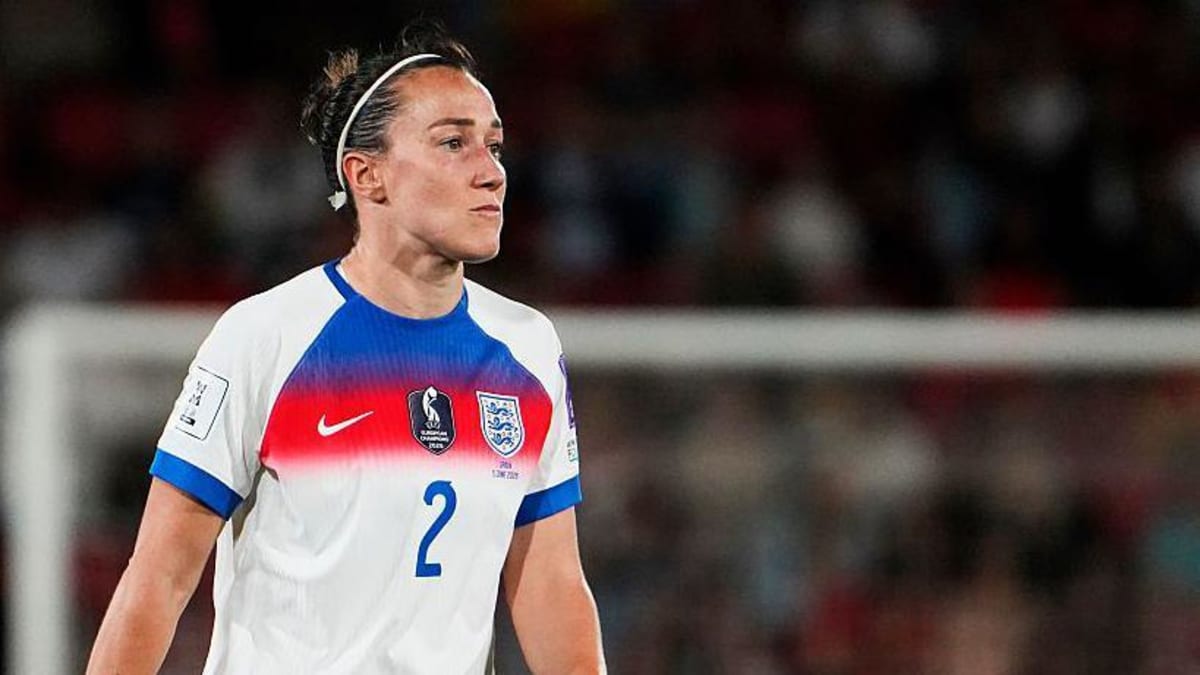
England defender Lucy Bronze supports the boycott, calling it "the right thing for the future of the game." She emphasized the importance of protecting football for the next generation, even if it means short-term sacrifice.
The Bright Side
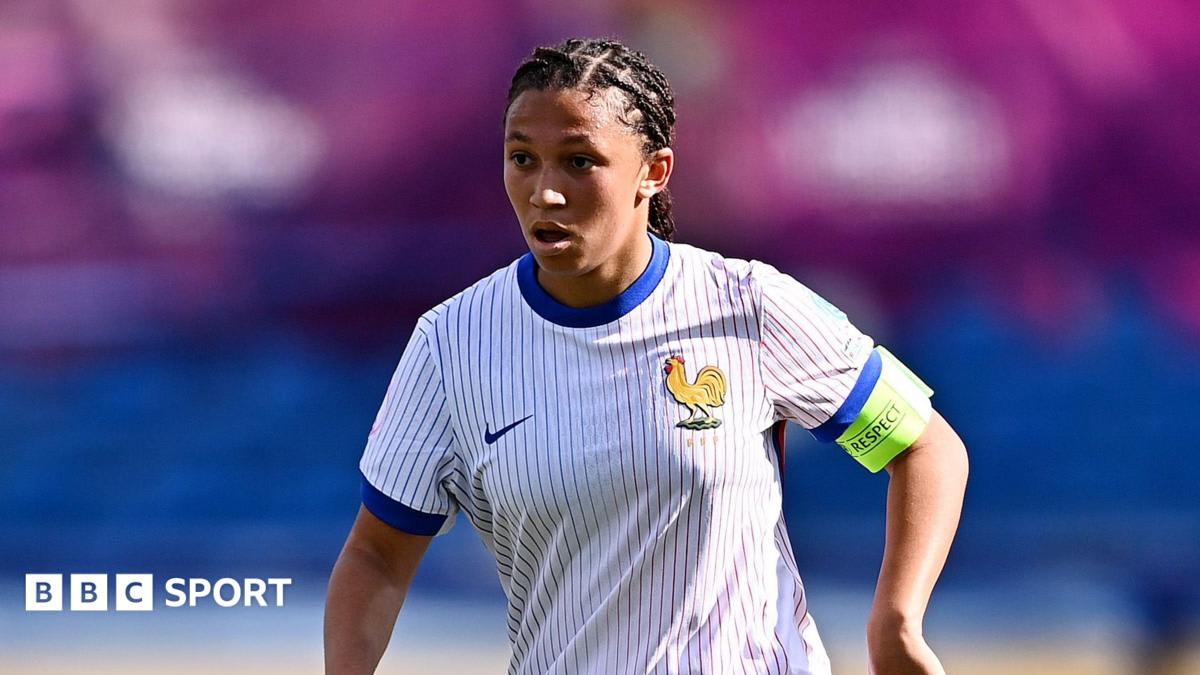
France's decision shows that protecting young athletes and their dreams doesn't have to take a back seat to political disputes. Captain Maeline Mendy and her teammates, who reached the European Under-19 Championship final in 2025, won't have their World Cup dreams derailed by adult disagreements.
The stakes extend beyond this single tournament. If the boycott continues, European teams including defending champions Spain could miss next summer's Women's World Cup in Brazil. Qualifier matches are scheduled for October, creating an urgent deadline for resolution.
France's commitment sends a powerful message that solutions can be found without punishing young women who have dedicated themselves to reaching the world stage. Their stance may encourage other European nations to follow suit, protecting opportunities for the next generation of women's football stars.
The tournament starts in 29 days, giving other nations time to make decisions that prioritize their young athletes' once-in-a-lifetime opportunities.
More Images


Based on reporting by BBC Sport
This story was written by BrightWire based on verified news reports.
Spread the positivity!
Share this good news with someone who needs it