Free Breast Cancer Test Finds 2,300 at High Risk Early
A Washington hospital launched a free program that's caught 2,300 people at elevated breast cancer risk before symptoms appeared. The five-minute assessment is now spreading across four states.
Most people at high risk for breast cancer have no idea they're in danger until it's too late.
That's why Providence Regional Medical Center Everett created Prevention4ME, a free program that identifies who needs extra screening before cancer ever develops. Since launch, it's found 2,300 people at elevated risk who might have discovered their diagnosis years later, when treatment options narrow.
The process takes just minutes. Patients scheduling a mammogram answer quick questions about their health and family history online. A specialized algorithm calculates their lifetime risk, including factors like breast density that many people don't know they have.
Those meeting national high-risk guidelines get immediate access to enhanced screening, genetic counseling, and contrast mammography at no cost. If a biopsy is needed, it happens onsite, and a nurse practitioner delivers results face to face with clear next steps.
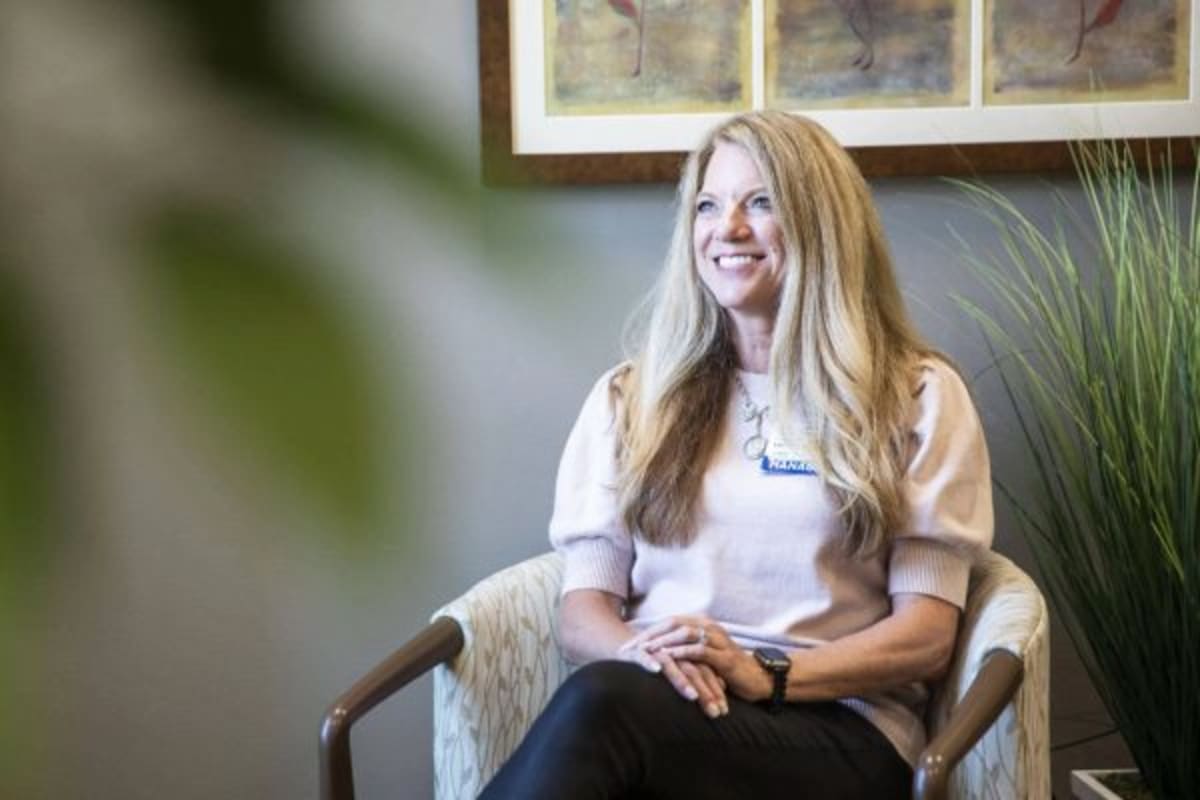
Laura Kendrick manages the Comprehensive Breast Center and knows this work personally. As a breast cancer survivor herself, she understands the difference early detection makes. "The goal is to move beyond reactive care and intervene at stage one," she says.
Everett became the first Providence location nationwide to offer the program. Its success sparked expansion to California, Montana, and Oregon, reaching thousands more people who need screening but didn't know it.
The Ripple Effect
The program's impact extends beyond individual patients. When one person discovers elevated risk, their family members often get tested too, creating a cascade of early detection. Men also qualify for screening, something many people don't realize since breast cancer affects all genders.
Patients who receive a cancer diagnosis step directly into care with the Providence Regional Cancer Partnership. A team of over 90 specialists meets weekly to review every case and design personalized treatment plans.
The program follows updated national guidelines recommending yearly mammograms starting at age 40. Every person who walks through the door gets the risk assessment completely free, removing cost as a barrier to potentially lifesaving information.
Thousands now know their risk status and can take action years before symptoms would have sent them to a doctor. That head start could mean the difference between stage one intervention and fighting advanced disease.
Early detection saves lives, and now it's accessible to everyone who schedules a screening.
Based on reporting by Google News - Cancer Survivor
This story was written by BrightWire based on verified news reports.
Spread the positivity!
Share this good news with someone who needs it