Free Omega-3 Tests Cut Preterm Births in South Australia
South Australian pregnant women will get free omega-3 blood tests starting June 1, a world-first program that could prevent early births for one in six mothers. Twenty years of research proved low omega-3 levels directly increase preterm birth risk.
South Australia just became the first place in the world to offer free omega-3 testing to every pregnant woman, potentially preventing thousands of babies from being born dangerously early.
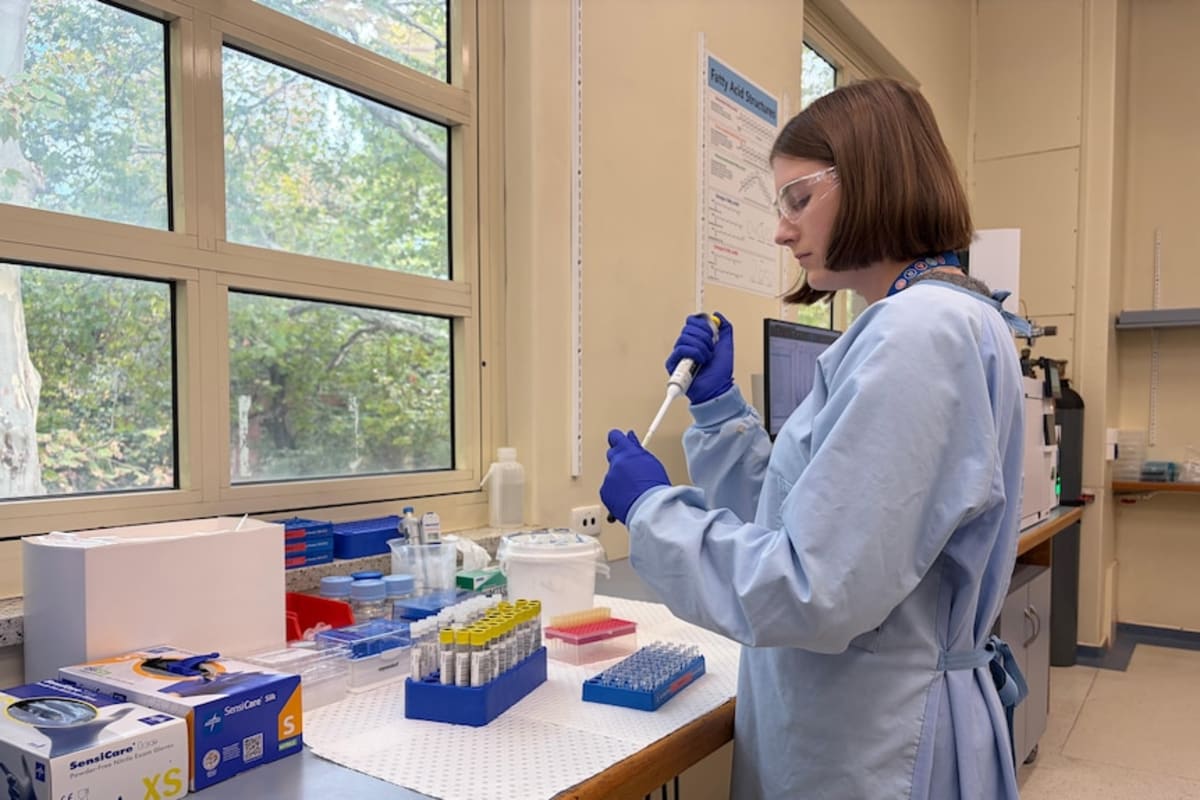
Starting June 1, expectant mothers will receive the simple blood test as part of their routine pregnancy screening. The breakthrough comes after 20 years of research by the South Australian Health and Medical Research Institute proving a direct link between low omega-3 levels and preterm birth.
The numbers tell a powerful story. During a trial program that began in 2021, researchers tested around 37,000 women and found 17 percent had low omega-3 levels. That's one in six pregnant women who could potentially avoid an early preterm birth with proper intervention.
Dr. Karen Best, who leads SAHMRI's Pregnancy and Newborn Health Program, explained why the test matters so much. You can't tell omega-3 levels just by looking at someone's diet or appearance, but those invisible numbers can determine whether a baby arrives healthy at full term or struggles in neonatal intensive care.
The research focused specifically on early preterm births, when babies arrive before 34 weeks. These tiny fighters often face developmental problems, extended hospital stays, and months in intensive care units.
Bonnie Haselgrove participated in the trial while pregnant with her son Evan, now six months old. Even though her levels tested fine and Evan arrived just past his due date, she valued having the information. The test gave her peace of mind and reminded her to think carefully about her nutrition.
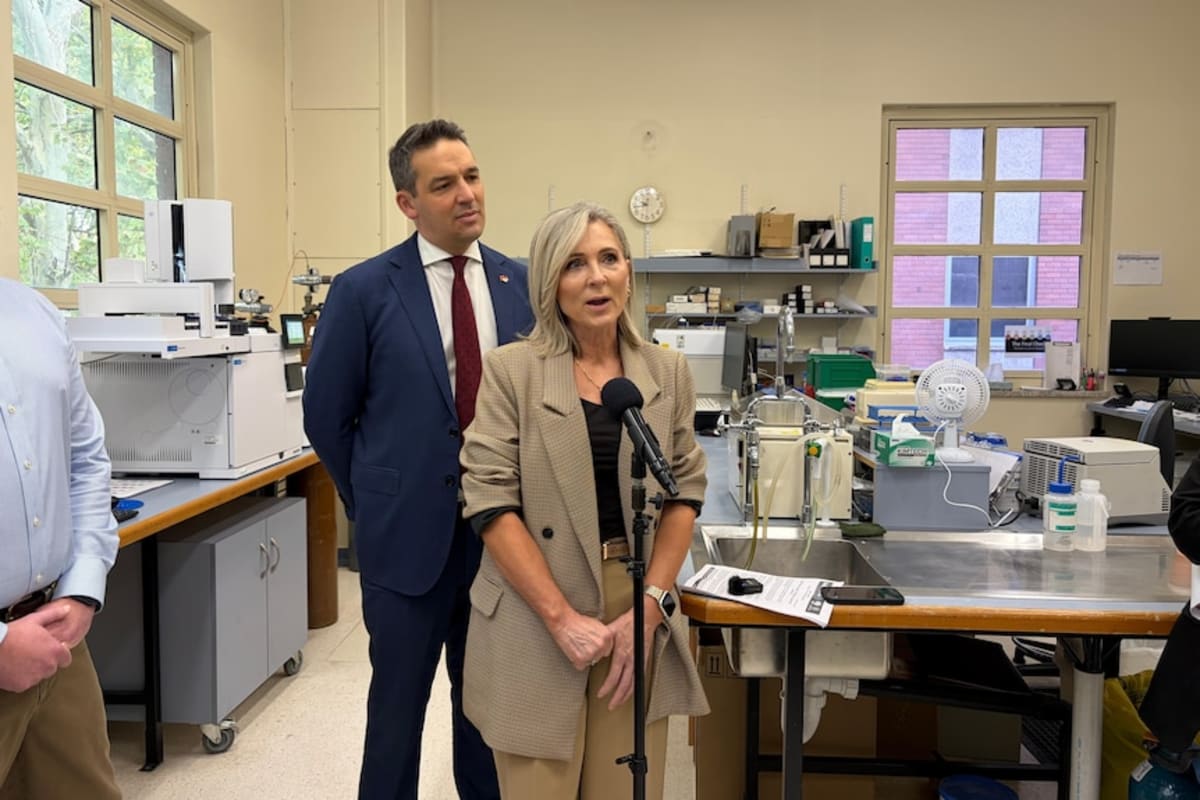
Health Minister Blair Boyer called it world-leading research showing what South Australia can accomplish. The collaboration between SA Pathology and SAHMRI turned two decades of scientific work into a practical solution that could change outcomes for thousands of families.
The Ripple Effect
This breakthrough reaches far beyond South Australia's borders. When one in six pregnant women tests low for a nutrient that directly affects birth timing, that's a global health pattern hiding in plain sight.
Other regions and countries can now follow South Australia's model, turning research into routine care. The program proves that simple, affordable interventions can prevent complex medical crises.
For families, preventing preterm birth means avoiding trauma, reducing medical costs, and giving babies the healthiest possible start. For hospitals, it means fewer emergency situations and more resources for other patients who need them.
South Australia just handed the world a blueprint for protecting mothers and babies through better testing.
More Images

Based on reporting by ABC Australia
This story was written by BrightWire based on verified news reports.
Spread the positivity!
Share this good news with someone who needs it