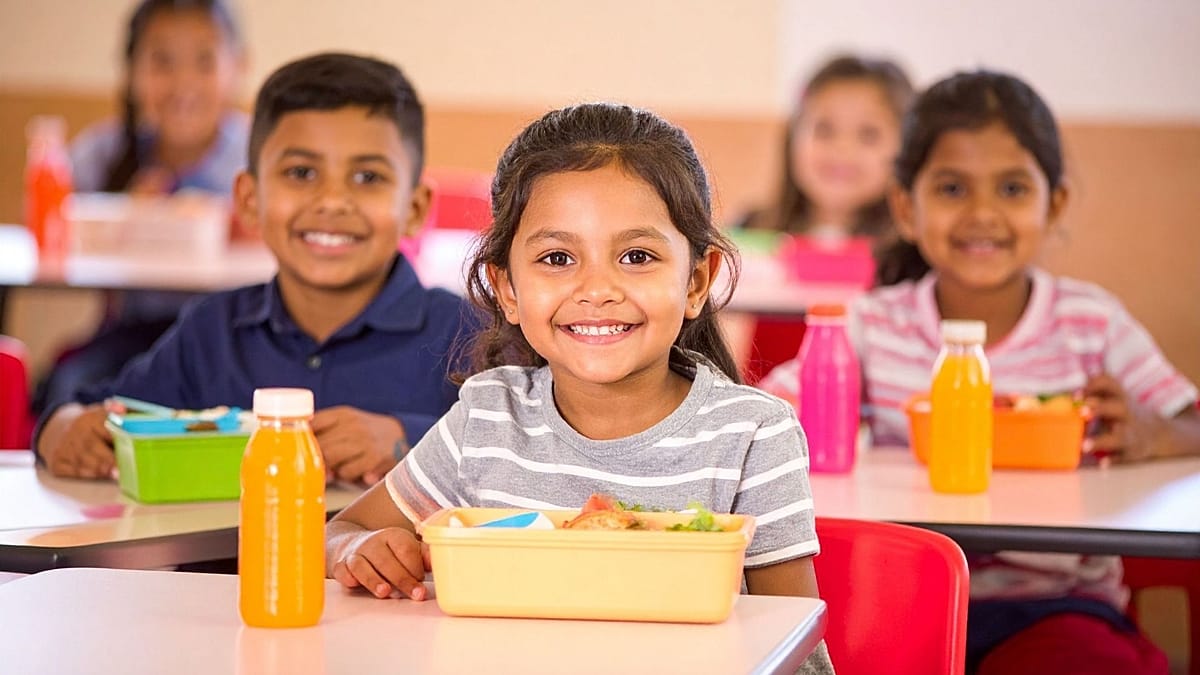
Free School Meals Cut Suspensions 10% in New Study
A groundbreaking study of 95,000 schools shows universal free meal programs reduce suspensions by up to 10%, revealing that feeding kids isn't just about nutrition. It's about creating calmer, more equitable classrooms where every child can thrive.
When schools started offering free meals to all students, something unexpected happened beyond fuller stomachs. Suspensions dropped significantly, proving that addressing basic needs transforms classroom behavior.
Researchers from the University of Northern Iowa and South Korea analyzed six years of data from 95,000 American schools. They discovered that universal free meal programs reduced out-of-school suspensions by 10% in elementary schools and 6% in secondary schools.
The impact went far beyond just helping low-income families. Schools that previously served fewer disadvantaged students saw the biggest improvements, suggesting that reducing stigma and ensuring no child feels singled out creates a better environment for everyone.
"Our findings highlight universal free meals as not just a nutrition policy, but a tool for improving school climate and equity," said lead researcher Andres Cuadros-Meñaca. The study used advanced methods that accounted for schools adopting the policy at different times, explaining why these results differ from earlier inconclusive research.
Out-of-school suspension temporarily bans students from attending classes, a punishment still used in countries like the UK and Spain but banned in Sweden. European institutions have been pushing schools toward more inclusive discipline approaches, and this research provides compelling evidence for that shift.
The Ripple Effect
The implications extend across Europe, where approaches to school meals vary dramatically. Finland, Sweden, and Estonia already provide universal free meals, while Denmark and the Netherlands have no nationwide programs at all.
With nearly 25% of EU children at risk of poverty or social exclusion in 2022, the study offers a roadmap for addressing multiple challenges with one solution. When children aren't worried about lunch or feeling embarrassed about their family's financial situation, they can focus on learning instead of survival.
Latvia and Lithuania offer free meals for certain grade levels, suggesting a middle path that other nations might expand. The research shows that universal programs work better than means-tested ones because they eliminate the stigma that can affect behavior and mental health.
The findings arrive as schools worldwide grapple with rising behavioral challenges and budget constraints. This research proves that investing in free meals isn't just compassionate; it's a practical strategy for creating safer, more productive learning environments where fewer students face exclusionary discipline.
Schools become better places when every child knows their basic needs will be met, no questions asked.
More Images



Based on reporting by Euronews
This story was written by BrightWire based on verified news reports.
Spread the positivity!
Share this good news with someone who needs it