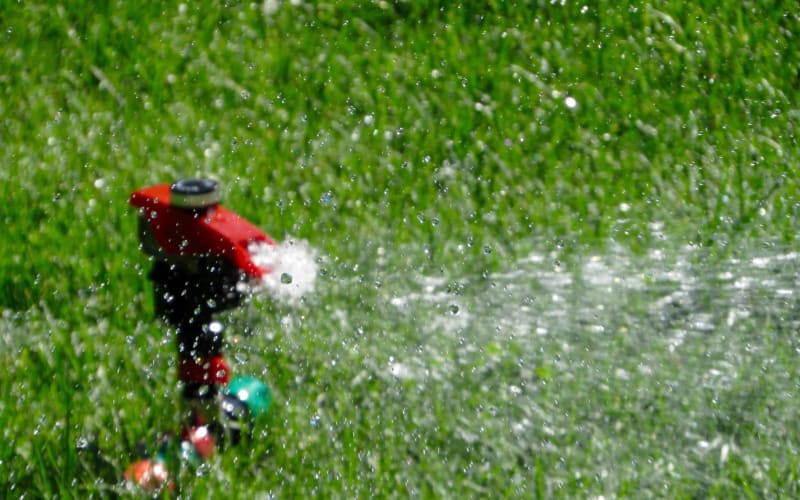
Free Smart Sprinklers Cut Water Use 26% in California
Instead of shaming people who refused to give up their green lawns during California's historic drought, researchers tried a different approach that actually worked. Free smart irrigation devices turned water guzzlers into conservationists without anyone having to sacrifice their preferences.
When California entered one of its worst droughts in history in 2012, billboards begged residents to let their lawns die. Many complied, but the heaviest water users kept right on watering their sprawling green grass.
University of Rochester marketing professor Kristina Brecko saw an opportunity where others saw stubborn holdouts. Instead of demanding people rip out their lawns entirely, why not help them water more efficiently?
Brecko and her research partner tested a public health concept called harm reduction on suburban sprinklers. The idea is simple: if people won't quit a harmful behavior completely, help them do less damage.
Working with Redwood City Public Works, the researchers offered thousands of households smart irrigation controllers. These devices automatically adjust watering based on weather, soil conditions, and plant needs.
The first experiment in 2016 offered discounts ranging from 10 to 80 percent. Adoption crawled along slowly because people weren't sure the new technology would work.
So in 2017, the team went big. They offered 19,000 households free devices through a simple online portal with no rebates and no paperwork.
The response was immediate. The people who used the most water adopted the devices at the highest rates because they could finally keep their green lawns guilt free while still helping during the drought.
The results, published in the Journal of Marketing Research, showed water use dropped by about 26 percent during spring and fall when manual systems typically overwater. The savings lasted nearly four years.
The timing of the study mattered enormously. By 2016, years of aggressive messaging had already convinced conservation champions to remove their lawns entirely. That left researchers with exactly the audience they wanted: people who had ignored all previous calls to conserve.
Why This Inspires
This research proves that shame rarely changes behavior, but meeting people where they are can transform outcomes. The heaviest water users became significant conservationists without abandoning what mattered to them.
The key wasn't better messaging or stronger guilt trips. It was removing barriers and offering a solution that aligned with people's actual preferences instead of demanding they adopt new ones.
California's drought taught researchers that the path to conservation doesn't require everyone to make the same sacrifices. Sometimes the biggest wins come from helping reluctant participants find their own way to contribute.
Smart irrigation controllers turned a standoff into a win for everyone: green lawns survived, water supplies recovered, and communities discovered that practical solutions often outperform years of public pressure.
More Images


Based on reporting by Phys.org
This story was written by BrightWire based on verified news reports.
Spread the positivity!
Share this good news with someone who needs it