French Zoo Celebrates First Golden Monkey Born Outside Asia
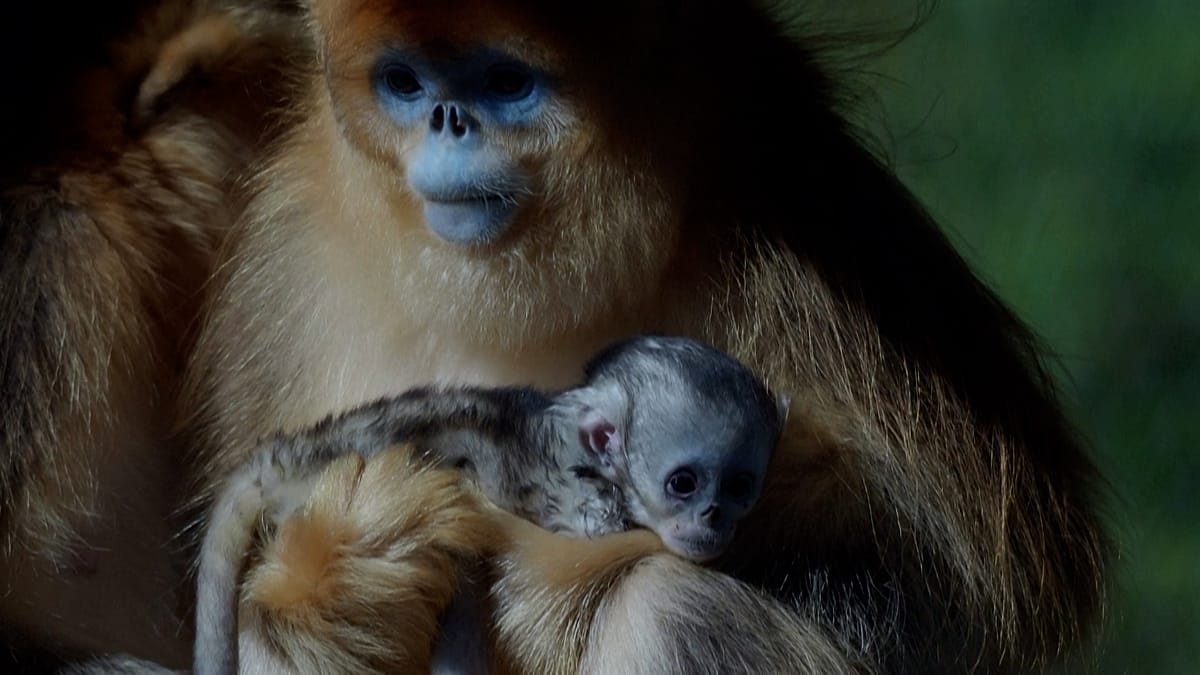
A critically endangered golden snub-nosed monkey has been born at a French zoo for the first time ever outside its native Asia. The rare birth marks a major win for conservation efforts and international cooperation to save the species.
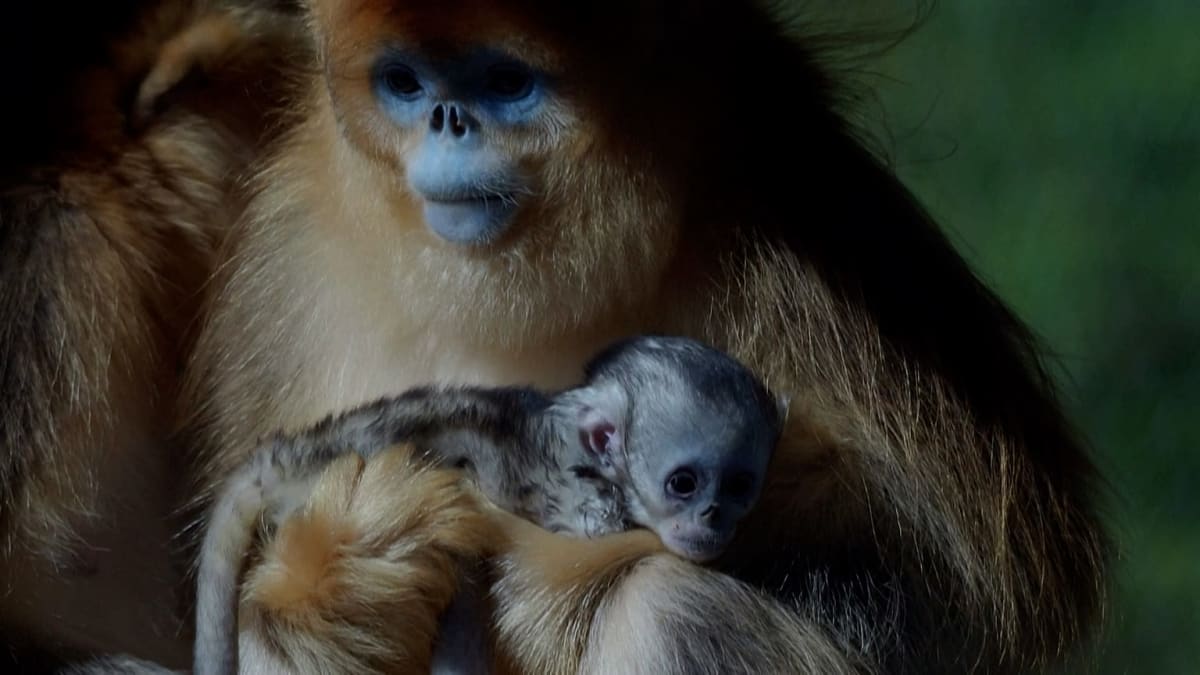
A tiny golden-furred baby is making history at France's ZooParc de Beauval, becoming the first golden snub-nosed monkey ever born outside Asia.
The rare primate arrived less than a year after three adults transferred to the zoo in April 2025 under a groundbreaking partnership between France and China. Zoo director Rodolphe Delord called the birth "a powerful symbol for species conservation" and a testament to cooperation between nations.
Golden snub-nosed monkeys are classified as endangered in the wild and rarely kept outside China, making this birth a significant breakthrough. The species gets its name from its distinctive upturned nose and stunning golden coat that shimmers in sunlight.
The newborn is thriving in Beauval's "Heights of China" area, near the giant panda enclosure, under close monitoring by veterinary staff. The baby's three family members (one male named Jinbao and two females, Jindou and Jinhua) arrived through a 10-year scientific partnership with the China Wildlife Conservation Association.
The Ripple Effect
This birth represents more than one healthy baby monkey. It proves that international zoos can successfully breed and protect species on the brink of extinction, creating safety nets beyond their native habitats.
The success also strengthens the model for ex-situ conservation, where zoos maintain genetically diverse populations of endangered animals. When species face habitat loss and poaching in the wild, these protected populations become crucial insurance policies for survival.
ZooParc de Beauval, which houses around 35,000 animals across 45 hectares, has presented this as one of its most important births in recent years. The achievement shows what's possible when countries work together on behalf of wildlife rather than in competition.
The infant appears healthy, though zoo officials haven't yet announced whether it's male or female. Either way, this little monkey represents hope for its entire species and a bright spot for conservation worldwide.
More Images


Based on reporting by Euronews
This story was written by BrightWire based on verified news reports.
Spread the positivity!
Share this good news with someone who needs it