Frog Scientist Discovers 10,000-Year-Old Mastodon Tooth
A geomorphologist searching for frog habitats in the San Mateo hills stumbled upon a perfectly preserved Ice Age mastodon tooth. The discovery is helping scientists piece together the Bay Area's ancient past and protect species today.
Sometimes the best discoveries happen when you're looking for something else entirely.
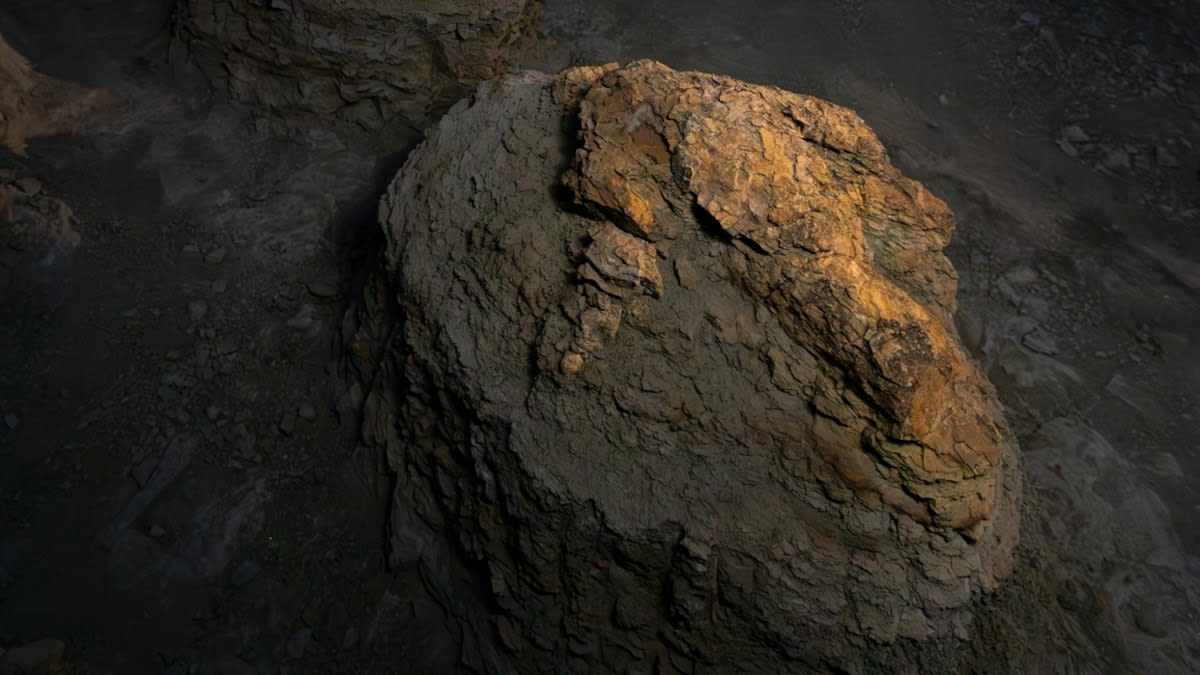
Brigid Lynch was surveying a creek in the San Mateo County hills for California red-legged frogs when she spotted what looked like an odd rock. The geomorphologist picked it up, and that simple curiosity revealed something incredible: a perfectly preserved tooth from a Pacific mastodon that roamed the Bay Area 10,000 years ago.
"As a geologist, I've gone out and seen stuff in the field," Lynch said. "But definitely nothing as exciting as this."
Paleontologist Wayne Thompson couldn't contain his excitement when he saw the tooth. He called it the most complete mastodon molar ever found in the region and the most spectacular thing he's ever seen. The tooth's immaculate condition gave him chills.
The Pacific mastodon was only recently recognized as its own species, different from its American cousin. These elephant-like giants browsed through Bay Area redwood forests, using their long trunks to strip leaves and fruit from plants. They shared the landscape with mountain lions and bobcats that still live here today, plus now-extinct neighbors like saber-toothed cats and dire wolves.
The Midpeninsula Regional Open Space District donated the tooth to Stanford University for further study. Researchers plan to use carbon dating to determine its exact age and create a 3D-printed replica for public education.
Why This Inspires
This accidental discovery connects us directly to our region's deep past. The same hills where Lynch searched for endangered frogs once echoed with the footsteps of giants. That connection matters more than nostalgia.
Studying ancient extinctions helps scientists protect today's threatened species. Matt Sharp Chaney, a biologist with the district, sees the mastodon tooth as a warning and an opportunity. Understanding why Pacific mastodons disappeared 11,000 years ago could help prevent California red-legged frogs and other modern species from meeting the same fate.
Christine Garcia, curator of Stanford's Geoscience Specimen Collection, put it simply: "Fossils are our only opportunity to see into past biodiversity." That window into the past helps researchers make better decisions about protecting the biodiversity we still have.
The tooth that sat hidden in a creek bed for 10,000 years is now teaching us lessons we desperately need today.
Based on reporting by Google News - Science
This story was written by BrightWire based on verified news reports.
Spread the positivity!
Share this good news with someone who needs it