From School Dropouts to India's Digital Payments Giant
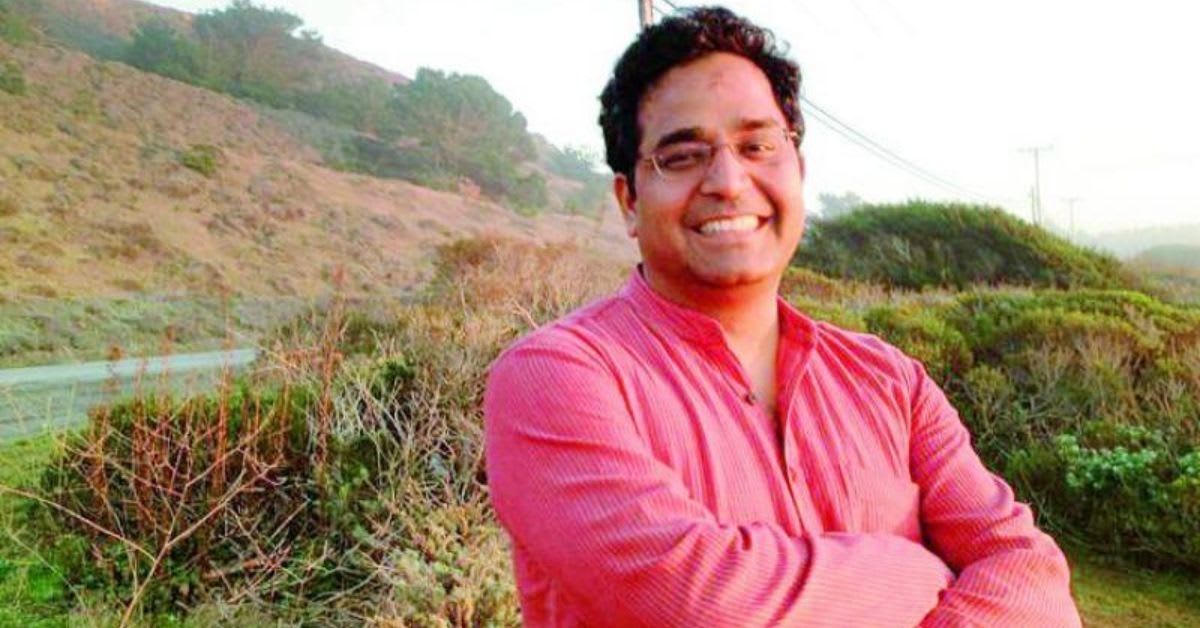
Vijay Shekhar Sharma failed twice, sold his company for scraps, and worked repair jobs before building Paytm into the platform that changed how 500 million Indians pay today.
When your loan application gets rejected while trying to help your father, most people would give up on the financial industry altogether. Vijay Shekhar Sharma decided to rebuild it instead.
The founder of Paytm didn't start with a billion-dollar vision. He started with failure after failure, each one teaching him something India desperately needed to learn.
Born in 1978 in Aligarh, Uttar Pradesh, Sharma grew up in a modest household where his schoolteacher father's income barely stretched far enough. The bigger obstacle wasn't money though; it was language.
Attending a Hindi-medium school locked him out of opportunities where English was the default. So at 15, he taught himself by listening to rock music and repeating lyrics until they made sense.
That same determination got him into Delhi College of Engineering at just 15 years old. Surrounded by English-speaking peers, he memorized answers to questions he barely understood while teaching himself to code after hours.
At 19, Sharma launched his first startup, XS Corps, dreaming of building India's own search engine. Limited resources and no funding ecosystem crushed that dream, and the company sold for $1 million in 1999.
His second attempt in 2000 looked more promising. One97 Communications delivered cricket scores and ringtones via SMS to basic mobile phones, and demand exploded.
But telecom operators delayed or defaulted on payments, leaving the company cash-starved despite strong sales numbers. By 2003, Sharma was broke and taking repair jobs to survive.
He sold 40% of his company for just Rs 8 lakh (about $10,000) to keep it alive. When he couldn't secure a loan to help his father during a family emergency, something clicked.
India's financial system wasn't built for everyone. That gap became his mission.
In 2010, he launched Paytm with mobile recharges, solving one simple, everyday problem. No overpromising, just building trust in a cash-dependent country.
By 2013, Paytm had expanded to bill payments and data cards. Then in 2014, the wallet feature transformed it from a utility into a payment platform.
The real breakthrough came in 2016 when India's government suddenly banned large currency notes overnight. While the country scrambled for alternatives, Paytm was ready.
Why This Inspires
Today, over 500 million Indians use Paytm for everything from street vendor payments to major purchases. QR codes at tiny roadside stalls now connect people who were locked out of traditional banking to the digital economy.
Sharma's journey proves that the best solutions come from people who've felt the problem personally. His failures weren't detours; they were the exact education needed to build something millions now use daily.
From a teenager learning English through rock lyrics to revolutionizing how India pays, Sharma turned every setback into a stepping stone toward financial inclusion.
More Images
%2Fenglish-betterindia%2Fmedia%2Fmedia_files%2F2026%2F03%2F23%2Fvijay-shekhar-sharma-2026-03-23-18-02-36.jpg)
%2Ffilters%3Aformat(webp)%2Fenglish-betterindia%2Fmedia%2Fmedia_files%2F2026%2F03%2F23%2Fvijay-shekhar-sharma-2026-03-23-18-05-48.jpg)
%2Ffilters%3Aformat(webp)%2Fenglish-betterindia%2Fmedia%2Fmedia_files%2F2026%2F03%2F23%2Fvijay-shekhar-sharma-2026-03-23-18-09-36.jpg)
Based on reporting by The Better India
This story was written by BrightWire based on verified news reports.
Spread the positivity!
Share this good news with someone who needs it