Frozen Tissue Restores Fertility 16 Years Later
A groundbreaking procedure has restored a young man's ability to produce sperm using testicular tissue frozen when he was just ten years old. The achievement offers new hope for thousands of children facing cancer treatments that threaten their future fertility.
A young man can now produce sperm again, thanks to tissue frozen from his body when he was a ten-year-old boy preparing for cancer treatment.
In 2008, doctors at University Hospital in Brussels removed and froze tissue samples from a boy's testicle before he underwent chemotherapy for sickle-cell disease. The treatment would likely leave him infertile, but doctors hoped the frozen tissue might someday help him become a father.
Sixteen years later, he returned to the hospital as an adult, dreaming of having children. Tests confirmed he couldn't produce normal sperm on his own, so doctors attempted something never successfully done before in humans.
They grafted eleven of the frozen tissue fragments into and around his remaining testicle. The tissue sat there for a year, absorbing the hormones and biological signals of an adult male body.
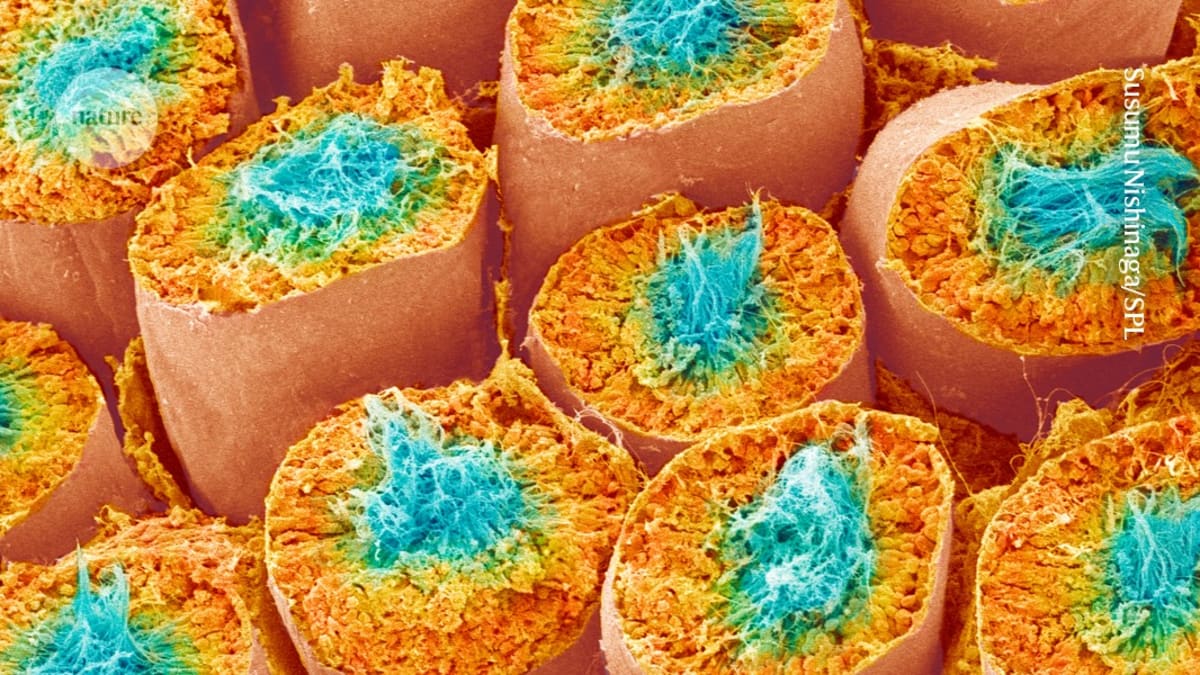
When doctors examined the grafts, they discovered something remarkable. Several fragments showed active sperm production, and in one sample, they found a mature sperm cell.
The team stopped their analysis immediately and preserved the remaining tissue, hoping to collect more sperm later for in vitro fertilization. Lead researcher Ellen Goossens, a reproductive biologist at Vrije Universiteit Brussel, says this careful approach gives the patient the best chance at fatherhood.
Why This Inspires
Between 2002 and 2022, more than 3,000 boys across Europe, Australia, and the United States froze testicular tissue before cancer treatment. Until now, their families had no guarantee the procedure would actually work.
"This offers hope for prepubertal boys who are facing treatments, such as chemotherapy and radiotherapy, that can affect their future fertility," says Rod Mitchell, a pediatric endocrinologist at the University of Edinburgh who wasn't involved in the research.
As childhood cancer survival rates climb, the long-term effects of aggressive treatments have become increasingly important. Young patients and their families now face questions about fertility that previous generations didn't live long enough to ask.
This breakthrough transforms those frozen tissue samples from hopeful experiments into proven possibilities, giving families something concrete to hold onto during their darkest moments.
The research team presented their findings at the European Society of Human Reproduction and Embryology annual meeting in London, marking what scientists are calling the beginning of a new wave of fertility treatments. What started as one family's leap of faith sixteen years ago may now light the way for thousands of others.
More Images


Based on reporting by Nature News
This story was written by BrightWire based on verified news reports.
Spread the positivity!
Share this good news with someone who needs it