Fukushima Building New Research Hub 15 Years After Disaster
Fifteen years after Japan's worst nuclear accident, a new research institute is rising in Fukushima to study disaster recovery, robotics, and environmental restoration. The government hopes the facility will help revitalize the region and restore public confidence in areas now safe to inhabit.
A town once evacuated after nuclear disaster is becoming a center for scientific innovation.
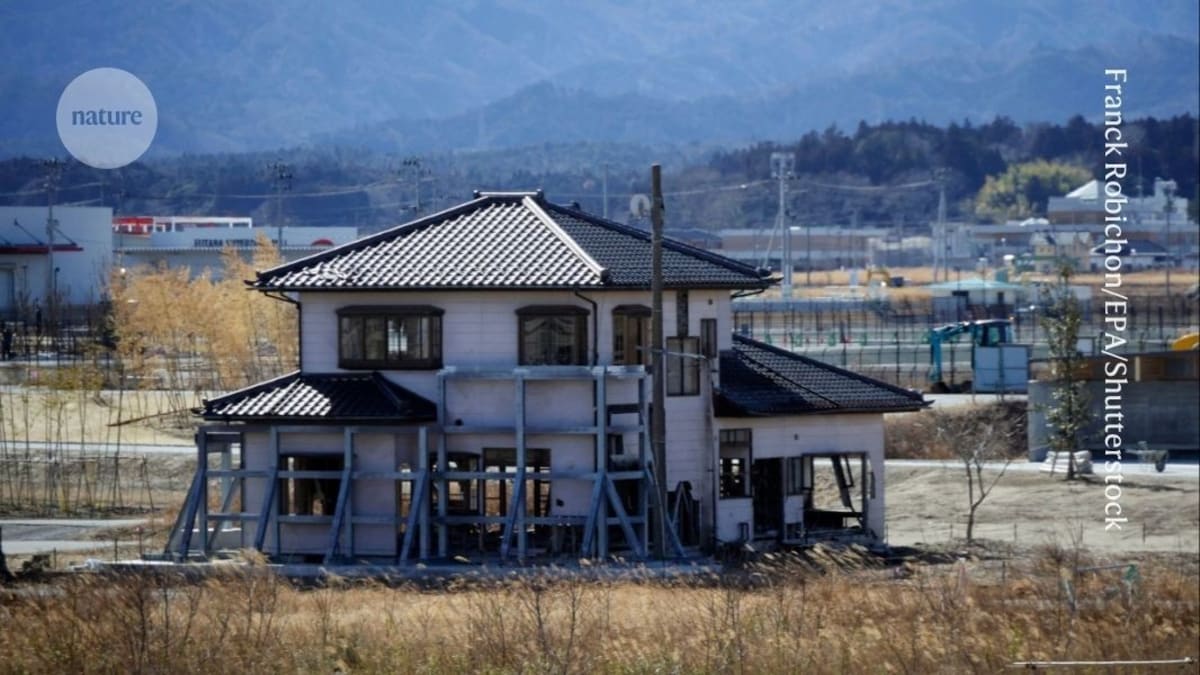
Construction is underway in Namie, Japan for the Fukushima Institute for Research, Education and Innovation. The facility sits in an area evacuated after the 2011 Fukushima Daiichi nuclear accident, where radiation levels have now returned to normal.
The 2011 disaster began when a magnitude-9 earthquake triggered a tsunami that damaged the power plant's cooling systems. Three reactors melted down, releasing radioactive material and forcing 164,000 people to evacuate.
Since then, Japan has been systematically decontaminating affected areas and lifting evacuation orders as regions become safe again. Today, radiation levels in most of Fukushima match those found in typical cities around the world.
The new institute will focus on robotics, agriculture, medical uses of radiation, and environmental recovery from nuclear disasters. It has already recruited 71 researchers from Japan and abroad who will begin work when facilities open between 2028 and 2030.
The project represents more than scientific advancement. It's part of Japan's broader strategy to revitalize Fukushima and demonstrate that the region is safe for people to return.
Only 17% of Namie's evacuated residents have come back so far. A February survey found that more than half of registered residents from nearby towns don't plan to return.
The Ripple Effect
The institute offers scientists a chance to engage directly with the local community and spark young people's interest in environmental and radiation sciences. Nuclear engineer Jasmin Diab says repurposing the area as a scientific hub creates opportunities for specialists to build trust through direct communication with residents.
The trust-building process will take time, experts acknowledge. But having researchers working in the community could help restore confidence in ways that government reports alone cannot.
About 2% of the Fukushima region, roughly 300 square kilometers, remains under evacuation orders where radiation levels are still unsafe. Some forested areas continue undergoing decontamination.
The institute stands as both a research facility and a symbol of recovery, showing how disaster zones can transform into centers of innovation that help prevent future catastrophes and heal from past ones.
More Images



Based on reporting by Nature News
This story was written by BrightWire based on verified news reports.
Spread the positivity!
Share this good news with someone who needs it