Fukushima Rises: 15 Years After Nuclear Disaster
Fifteen years after a devastating earthquake, tsunami, and nuclear disaster, Japan's Fukushima region has completed major reconstruction and reopened 97.8% of evacuated areas. Communities once abandoned are welcoming residents and tourists back as radiation drops to normal levels.
The coastal towns of Fukushima Prefecture are buzzing with life again, fifteen years after one of history's worst nuclear disasters forced families from their homes.
On March 11, 2011, a magnitude 9.0 earthquake triggered massive tsunami waves that killed nearly 20,000 people and caused three reactor cores at the Fukushima Daiichi nuclear plant to melt down. The disaster displaced over 160,000 residents and contaminated surrounding areas with radiation.
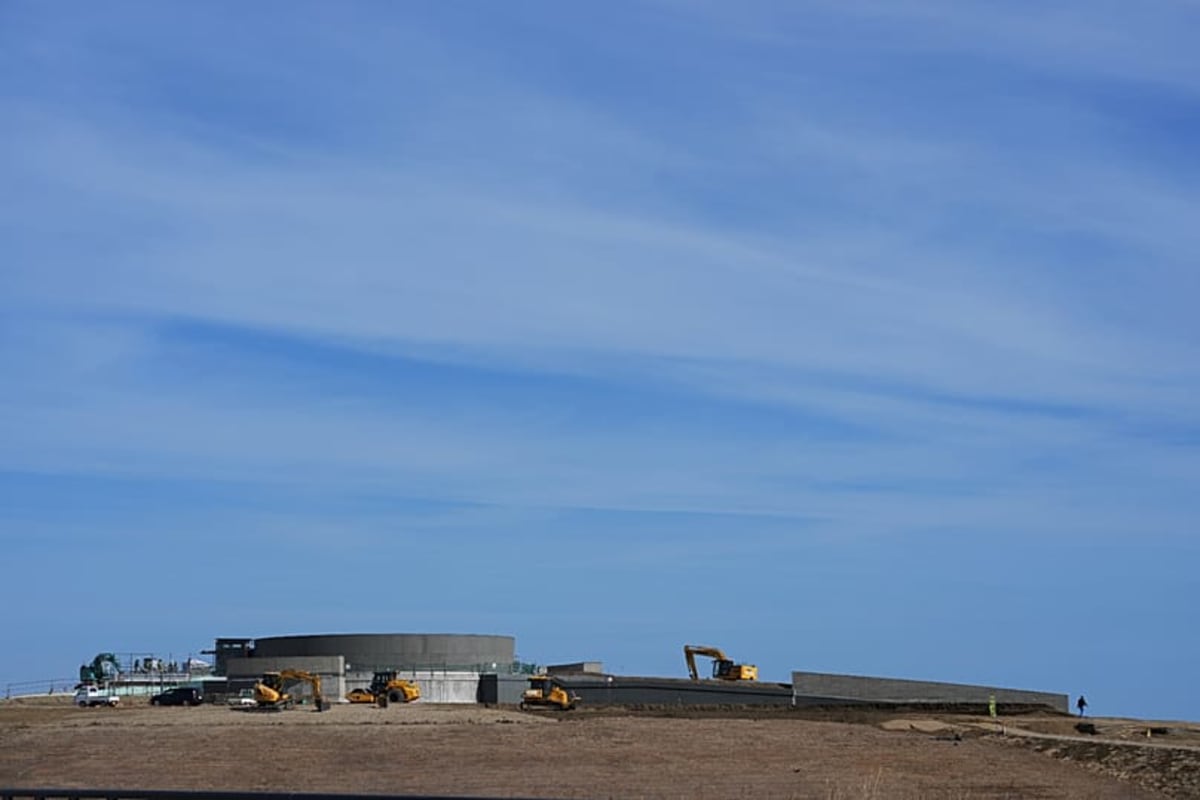
Today, Japan marks a remarkable milestone in one of the most ambitious reconstruction efforts ever attempted. The government has completed all major road networks and public housing projects across the affected Tohoku region, giving communities the infrastructure they need to thrive again.
Fukushima faced the longest road to recovery. Decontamination teams spent years cleaning soil and structures while natural decay reduced radiation levels. Current readings now match those found in Tokyo and other major cities worldwide, making once-forbidden zones safe for daily life.
Only 2.2% of Fukushima Prefecture remains under evacuation orders, down from nearly 12% at the disaster's peak. Farmers are growing crops again, with food safety monitoring showing radioactive contamination is now rarely detected in local produce, seafood, and forestry products.
The human recovery has been equally intentional. Mental health centers staffed with doctors, nurses, and social workers provide ongoing psychological support for survivors who lived through unimaginable trauma. Social programs help displaced residents rebuild connections in their old neighborhoods or establish new ones where they relocated.
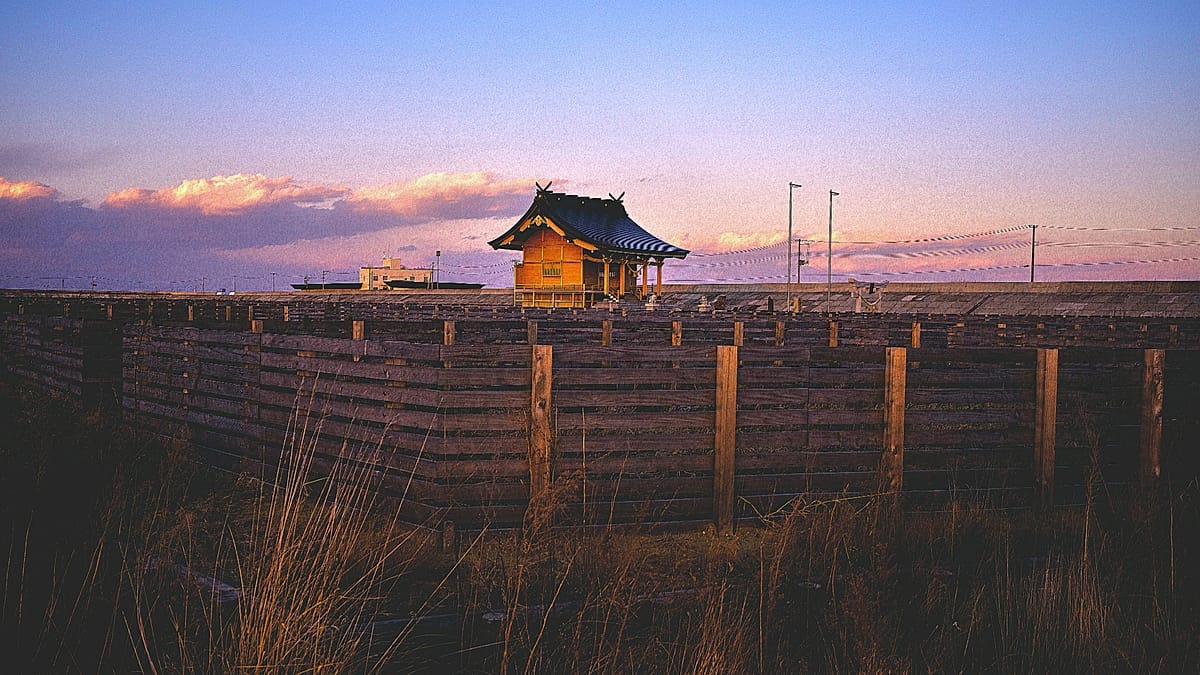
Tourism is returning to the region as confidence grows. Surfers ride waves at Toyoma Beach in Iwaki. Visitors explore the scenic beauty of Matsushima Bay and attend the vibrant Sendai Tanabata Festival, celebrating traditions that survived the disaster.
Japan's recovery benefited from extraordinary global solidarity. More than 195 countries and 68 international organizations offered assistance and support after the disaster, a gesture Japanese officials say they will never forget.
The government launched its third reconstruction phase in April 2026, focusing on regional revitalization through 2030. The goal extends beyond rebuilding what was lost to creating thriving, economically independent communities that honor those who didn't survive.
The Ripple Effect
Japan's recovery offers hope to communities worldwide facing climate disasters and infrastructure crises. The methodical approach combining physical reconstruction, environmental restoration, mental health support, and economic development created a blueprint for resilience. International observers study Fukushima's decontamination techniques and community rebuilding strategies as climate change increases disaster frequency globally.
Fifteen years after waves reshaped their coastline, the people of Tohoku are writing a story of determination that proves devastation doesn't have to be permanent.
More Images

Based on reporting by Euronews
This story was written by BrightWire based on verified news reports.
Spread the positivity!
Share this good news with someone who needs it