Fungi Networks Could Help England Plant 260,000 Hectares
Scientists in Cumbria are studying underground fungal networks that act like tree support systems, research that could transform how England plants its ambitious 260,000 hectares of new woodland. The tiny organisms might be the secret to helping young trees survive and thrive.
Beneath every forest lies an invisible network that could make or break England's massive tree-planting goals.
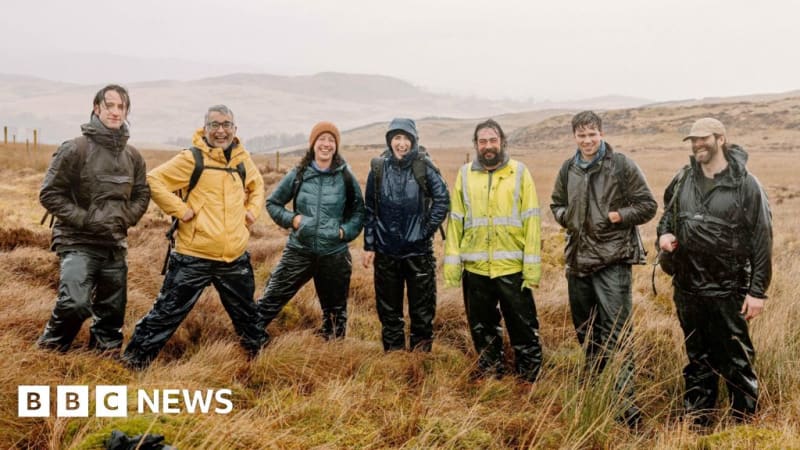
Scientists at Wild Haweswater in Cumbria are mapping underground fungal networks to unlock the secret of successful woodland creation. The research comes as England commits to planting about 260,000 hectares of new woodland, an area roughly the size of Dorset.
The key players are microscopic fungi called mycorrhizal that form partnerships with tree roots. These tiny organisms work like underground support systems, helping trees access nutrients and water in exchange for carbon from the trees.
Dr. Mo Verhoeven, lead conservation scientist at the RSPB, explained that Cumbria's landscape presents a unique challenge. The area's fungi have transitioned from tree-supporting varieties to types found in grasslands after hundreds of years of grazing.
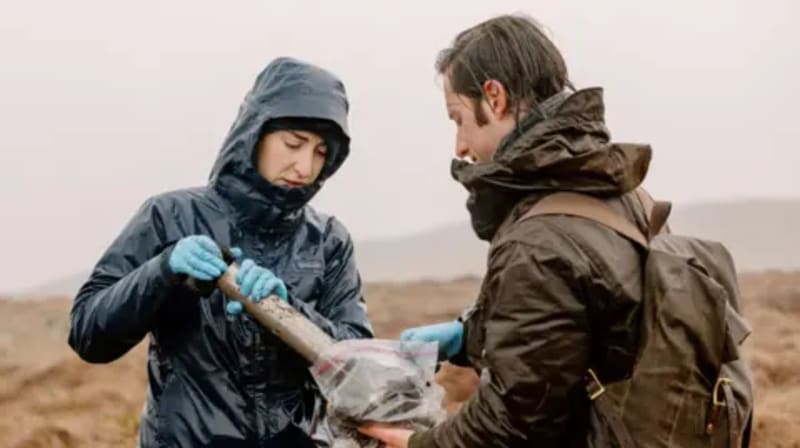
Without the right fungi present in soil, young trees struggle to establish themselves and may die. Researchers are now taking soil samples to identify exactly which fungal species exist at planting sites.
The findings could reshape how woodland creation happens across England. Knowing which fungi live in the soil could inform where to plant trees, how to plant them, and even which tree species to choose for each location.
The Ripple Effect
This research represents a smarter approach to environmental restoration. Rather than simply planting trees and hoping they survive, scientists are learning to work with natural underground processes that have supported forests for millions of years.
The project brings together Cumbria Connect, the RSPB, landowner United Utilities, and the Society for the Protection of Underground Networks. Bethan Manley, lead computational biologist at Spun, said the goal is to improve confidence in woodland creation by partnering with nature instead of fighting against it.
The implications stretch far beyond Cumbria. If researchers can identify which fungal networks support which trees, future woodland projects across England could see higher survival rates and healthier forests. That means more carbon captured, more wildlife habitat created, and more resilient landscapes for future generations.
England's 260,000-hectare woodland goal becomes more achievable when tiny fungi get the recognition they deserve.
More Images
Based on reporting by BBC Science
This story was written by BrightWire based on verified news reports.
Spread the positivity!
Share this good news with someone who needs it