Fuzzy Net Captures 90% of Microplastics from Water
Scientists at NC State University created a seaweed-inspired mesh that catches over 90% of tiny plastic particles polluting our waterways. The breakthrough offers hope for cleaning rivers, lakes, and coastal waters across North Carolina and beyond.
Imagine a net that moves like underwater seaweed, gently swaying to trap invisible pollution while letting fish and water flow freely through.
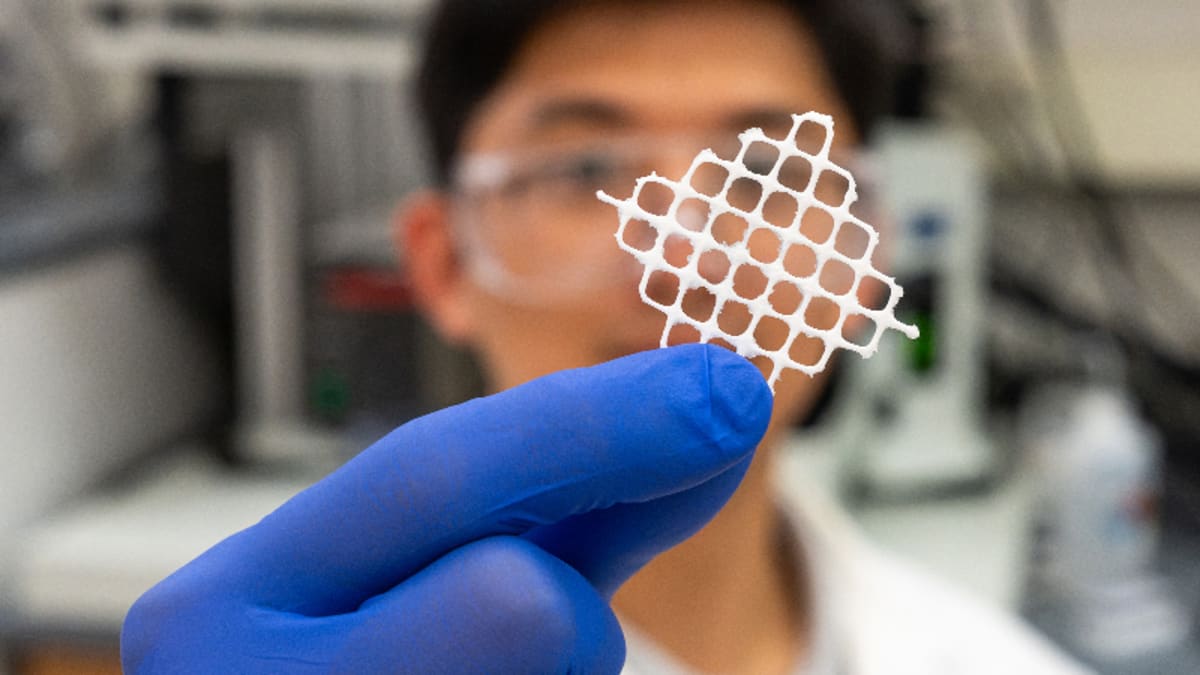
Researchers at North Carolina State University turned that vision into reality. Their new filtration system mimics the way seaweed drifts in ocean currents, using fuzzy, flexible fibers to capture microplastics that are too small to see but big enough to harm wildlife and contaminate drinking water.
The results surprised even the scientists. In laboratory tests, their bio-inspired mesh captured more than 90% of microplastic fragments flowing through water. Traditional filters struggle to catch these tiny particles without clogging or blocking water flow entirely.
Dr. Wei Gao and his team studied how kelp and other marine plants naturally filter particles from moving water. They replicated that gentle, swaying motion in a synthetic mesh covered with hair-like fibers. As water flows past, the fibers dance and trap microplastics while staying clean enough to work continuously.
Microplastics come from everywhere: car tires wearing down on roads, synthetic clothing shedding fibers in washing machines, plastic bags breaking apart in the sun. These fragments end up in streams and rivers, eventually reaching the ocean. Scientists have found microplastics in fish, drinking water, and even human blood.
North Carolina's waterways face particular pressure from coastal development and agricultural runoff. The state's 300 miles of coastline and countless inland lakes make effective water filtration critical for both environmental health and tourism.
The Ripple Effect
What makes this discovery especially promising is its scalability. The materials needed to build these seaweed-inspired filters are inexpensive and widely available. Cities could install them at water treatment plants, factories could use them to clean wastewater before discharge, and communities could protect local swimming holes and fishing spots.
The research team is already working with municipal water systems to test larger versions. Early partnerships in North Carolina aim to demonstrate real-world effectiveness in rivers and coastal areas. If successful, the technology could spread to other states grappling with microplastic pollution.
Other researchers are taking notice too. The simple, nature-inspired design means communities won't need complex infrastructure or specialized training to deploy these filters. That opens possibilities for widespread adoption in developing countries where plastic pollution often hits hardest.
The fuzzy nets work continuously without electricity, using only natural water flow to create the sweeping motion that captures particles. That makes them ideal for remote locations and reduces the carbon footprint of water treatment.
Clean water supports everything from healthy fisheries to safe recreation to thriving ecosystems. By tackling microplastics at the source, this innovation protects the entire food chain, from tiny plankton to the families enjoying a beach day.
Sometimes the best solutions come from watching how nature already solved the problem millions of years ago.
Based on reporting by Google News - Researchers Find
This story was written by BrightWire based on verified news reports.
Spread the positivity!
Share this good news with someone who needs it