Gambia Engineering Grads Urged to Innovate for Nation
Gambia's President challenged engineering graduates to turn their skills into real solutions for climate change, food security, and energy access. The country is betting big on homegrown engineers to transform national infrastructure and create jobs.
President Adama Barrow delivered a powerful message to engineering graduates in Gambia: your country needs you to build the future, not just dream about it.
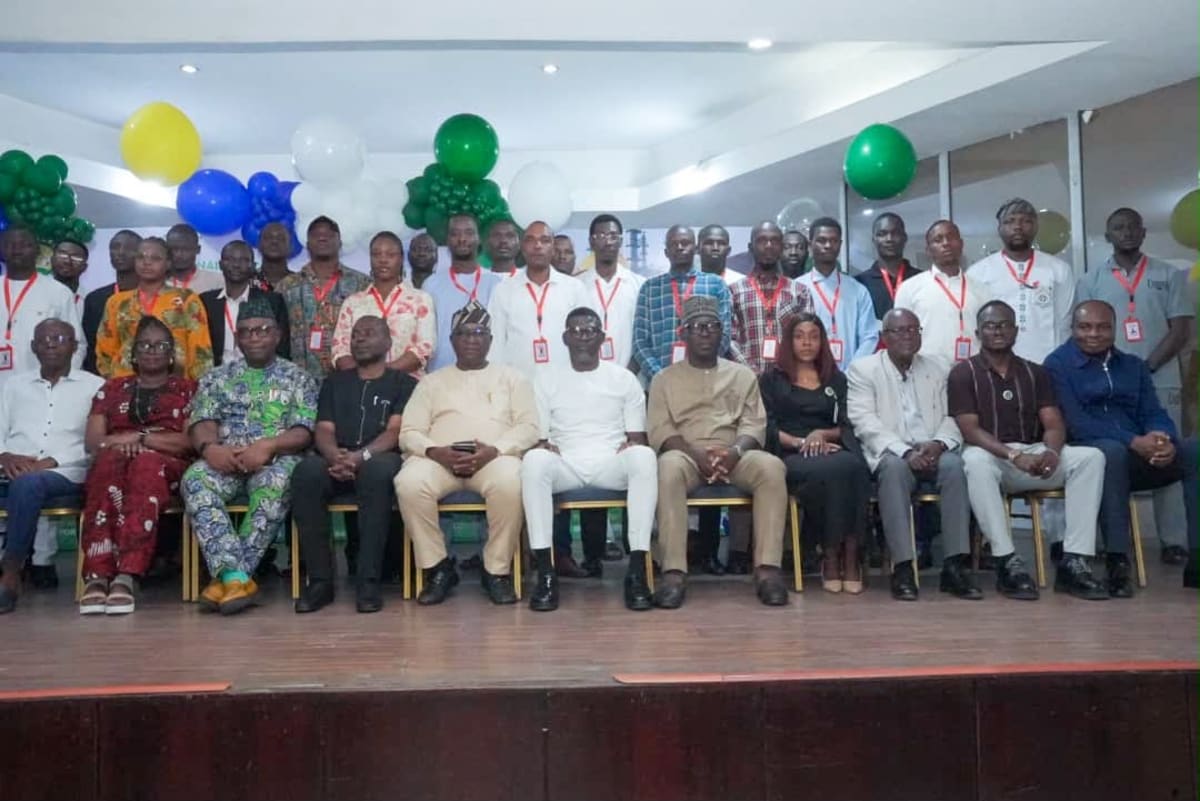
At the University of Applied Science, Engineering and Technology's second graduation ceremony on June 20th, Barrow told the Class of 2025 that Gambia specifically created their university to produce engineers who understand West African conditions. The goal is training professionals who can design drainage systems that actually work in tropical climates, optimize solar and wind installations, and maintain industrial machinery that powers local businesses.
"Without such engineers, our national aspirations will remain plans on paper," Barrow warned the graduates gathered at the Brikama Campus.
The President's message was clear: Gambia doesn't need more "unproductive bookworms." The country needs innovators and critical thinkers who can tackle urgent challenges like climate change, unemployment, and environmental sustainability.
To back up his words with action, Barrow announced a new Graduate Engineering Deployment Programme that will place fresh engineers directly into public infrastructure projects and utility agencies. This means graduates won't struggle to find relevant work. Instead, they'll immediately contribute to building roads, power systems, and water networks their communities desperately need.
The government is also accelerating Phase II of the university's expansion, which includes new colleges focused on energy, petroleum engineering, computer engineering, and built environment studies. Each college targets a specific national priority where Gambia currently lacks expertise.
The Ripple Effect
The investment in engineering education extends far beyond individual careers. Gambia's government has launched funding initiatives including a Student Revolving Loan Scheme and a National Research and Innovation Fund to make technical education accessible to more students.
The university now boasts modern laboratories designed to foster entrepreneurship and job creation, with support from development partners like the World Bank and MRC Holland Foundation.
Barrow's vision connects directly to Gambia's national development blueprint, called Yiriwa, which emphasizes that science and technology must improve lives, strengthen communities, and create opportunities. For a small West African nation, producing its own engineers rather than relying entirely on foreign expertise represents a major step toward self-sufficiency.
The President reminded graduates that sustainable development requires balancing economic growth with environmental protection and social inclusion. He encouraged them to embrace digital literacy, collaboration, and adaptability as essential tools.
In his closing words, Barrow offered both encouragement and challenge: "The world is similar to a turbulent ocean. Challenges often come with opportunities to learn, grow, innovate, and improve."
Gambia is betting its future on these newly minted engineers turning classroom knowledge into real-world progress.
More Images

Based on reporting by AllAfrica - Innovation
This story was written by BrightWire based on verified news reports.
Spread the positivity!
Share this good news with someone who needs it