Garland Ends Criminal Fines, Sends Volunteers Instead
A Texas city is replacing code violation fines with helping hands. Garland's new approach connects struggling residents with volunteers who mow lawns, haul trash, and make repairs for free.
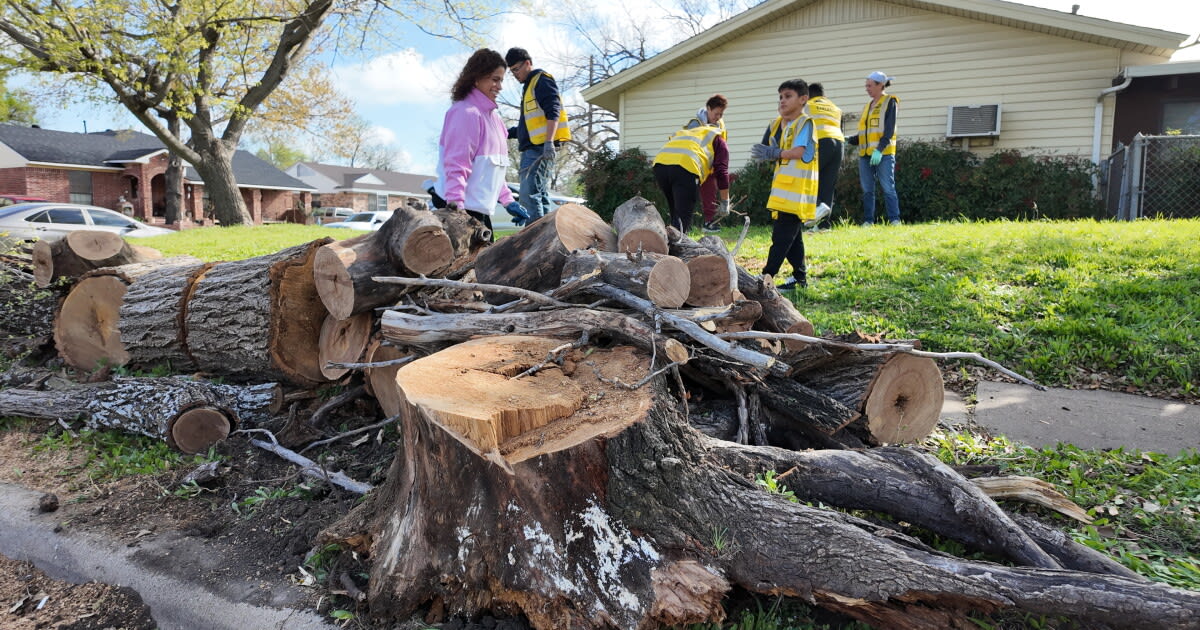
When a Garland woman in hospice care received a code violation notice for her overgrown lawn, she didn't face a $200 fine. Instead, volunteers showed up with mowers and got to work.
The Texas city is ditching its criminal code enforcement model and replacing it with something radically different: community care. Starting this week, residents who can't maintain their properties due to financial or physical limitations get connected with volunteers instead of citations.
"We're simply changing our method for getting people into compliance," said city council member Carissa Dutton, who has pushed for the shift since taking office in 2023. Under the old system, code violations could lead to criminal charges and hefty fines that cash-strapped residents couldn't afford to pay.
The new Garland Cares Compliance Assistance Program flips that script entirely. Code officers now leave door notices offering help rather than threats. Volunteer Garland, the city department launched 18 months ago, coordinates neighbors willing to pitch in with yard work, trash removal, and minor home repairs.
Glenna Saygidia has been volunteering since day one. She remembers one elderly woman who came outside crying tears of joy when volunteers arrived to help with her yard. "She was just so happy and excited and appreciative that we were there for her," Saygidia said.
The Ripple Effect
The program is transforming more than just overgrown lawns. It's building a culture of neighborly support in a city of over 240,000 people.
Josue Diaz, who manages Volunteer Garland, calls his growing crew "a small army of local neighbors." The department connects do-gooders across the community with churches, nonprofits, businesses, and schools to tackle projects for residents who need it most.
The city even launched a tool loan program, giving residents free access to lawn mowers, trimmers, and cleanup equipment. No one has to choose between buying groceries and renting yard tools anymore.
Dutton says the new model works faster and costs less for everyone involved. Residents avoid criminal records and financial hardship. The city spends less on court proceedings. And neighborhoods get cleaned up through genuine community support rather than punishment.
This is what progress looks like: a city deciding that helping hands work better than heavy hands.
More Images

Based on reporting by Google: volunteers help
This story was written by BrightWire based on verified news reports.
Spread the positivity!
Share this good news with someone who needs it