Gay Neighborhoods Boost Voter Turnout in Sweden Study
Living near other LGBTQ+ people makes gay, lesbian, and bisexual residents significantly more likely to vote, according to groundbreaking research tracking nearly 30 years of election data. The findings reveal how community closeness powers democratic participation.
When neighborhoods become more connected, democracy gets stronger—and new research shows this is especially true for LGBTQ+ communities.
A landmark study published in The Journal of Politics found that lesbian, gay, and bisexual people become 1.56 percentage points more likely to vote when the share of LGB neighbors increases by just one percentage point. The research team from the University of Southampton and Uppsala University tracked actual voting records of more than 20,000 LGB individuals and nearly 8 million heterosexual peers across four Swedish elections from 1994 to 2022.
The study represents the largest examination of LGBTQ+ political behavior ever conducted. Sweden's comprehensive population registers allowed researchers to identify LGB individuals through records of same-sex partnerships and parenthood, creating an unprecedented dataset that dwarfs any survey-based study.
"We've known for a while that LGB people are more likely to vote than the rest of the population," says Dr. Stuart Turnbull-Dugarte, Associate Professor at the University of Southampton. "This is the first study that asks if living around other people who share your LGBTQ+ identity can mobilize you to participate in elections."
The researchers used precise location data to measure how many of each person's nearest thousand neighbors were also LGB. They then tracked whether changes in this local presence, driven by people moving in or out, affected actual voter turnout compared with heterosexual neighbors.
The design ruled out the possibility that results simply reflected LGB people living in wealthier or more politically engaged areas. "The mobilization effect is specifically about living near others from the same social group," explains Dr. Michal Grahn, Associate Professor at Uppsala University.
The Ripple Effect
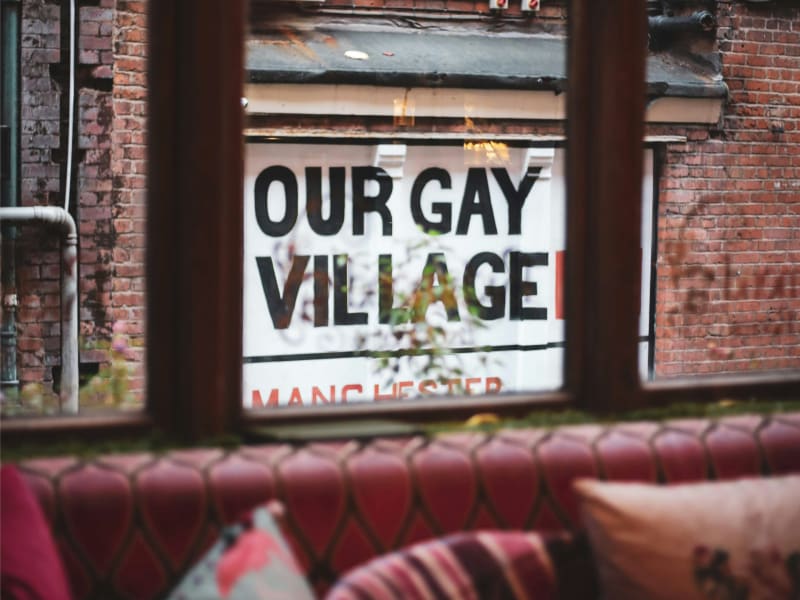
The findings matter beyond Sweden's borders. Areas like Brighton, Manchester, and London with substantial LGBTQ+ communities could see similar democratic engagement, especially with May local elections approaching.
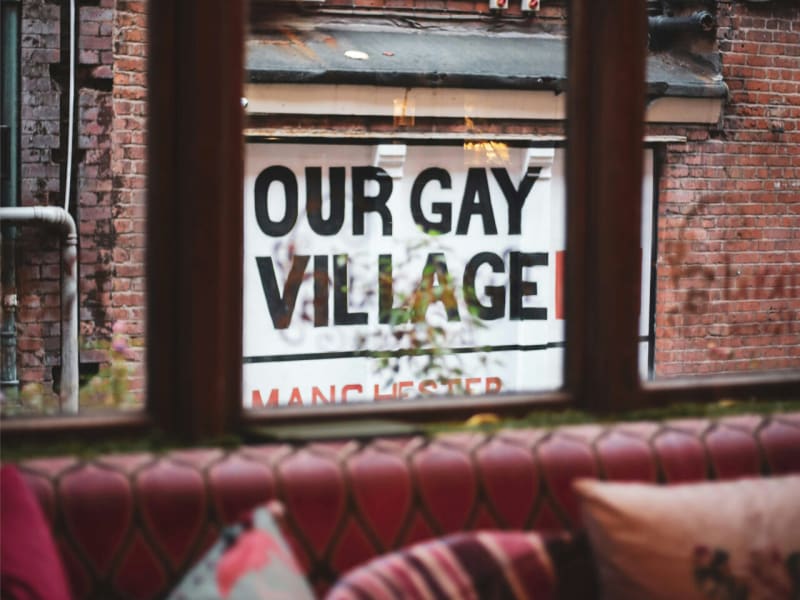
Even in Sweden, where voter turnout already exceeds 84%, these increases proved significant. The research suggests that so-called "gay villages" serve as powerful spaces for political empowerment, creating networks that encourage civic participation.
"In an era when so much of our social and political life has moved online, this study is a reminder that geography still matters," Dr. Turnbull-Dugarte notes. "Where you live, and who you live near, shapes whether you show up at the ballot box."
The study joins growing evidence that physical community remains vital for minority groups, even in our digital age. When people find neighbors who share their experiences, they don't just feel more connected—they become more engaged citizens who show up to make their voices heard.
More Images
Based on reporting by Phys.org
This story was written by BrightWire based on verified news reports.
Spread the positivity!
Share this good news with someone who needs it