Gen Z birdwatchers surge 1,000% since 2018 in Britain
More than 700,000 young Brits now regularly watch birds, up from just 61,000 eight years ago. The RSPB says birdwatching is now Gen Z's second fastest-growing hobby.
Britain's nature reserves are witnessing something remarkable: young people are trading their screens for binoculars at record rates.
New research shows birdwatching among 16 to 29 year olds has skyrocketed more than tenfold since 2018. Today, over 700,000 Gen Z Brits regularly watch birds, making it their second fastest-growing hobby after jewelry making.
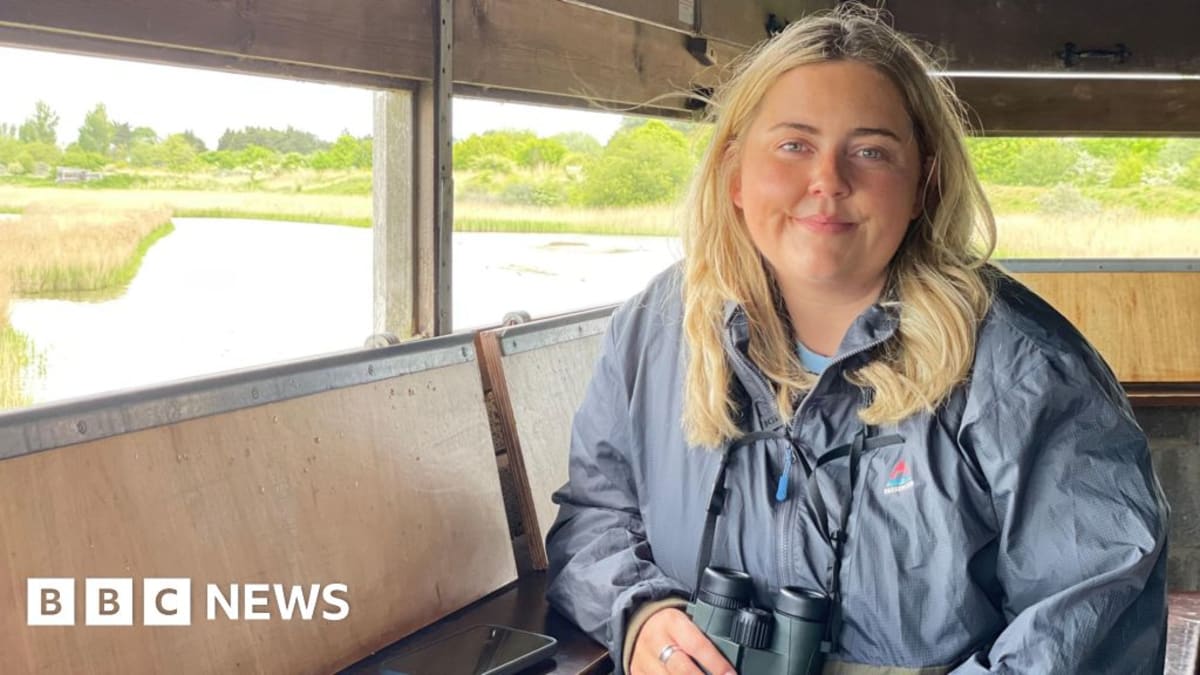
Emily Askew, 28, shares her birdwatching adventures with 20,000 Instagram followers from her home base in Skegness, Lincolnshire. "I think we are just trying to connect to the outside world and Gen Z'ers are generally very caring about the environment," she said.
The trend is transforming Britain's bird sanctuaries. Poppy Rummery, a visitor manager at RSPB Bempton Cliffs in East Yorkshire, says the reserve has seen a "significant increase" in younger visitors who understand the benefits of experiencing nature firsthand.
The shift goes beyond just Gen Z. Overall birdwatching in Britain jumped 47% between 2018 and 2026, growing from 2.7 million to over four million enthusiasts across all ages.
Why This Inspires
What makes this explosion in young birdwatchers so hopeful isn't just the numbers. It's what they're finding when they get outside.
Jess Painter, 24, a member of the RSPB's Youth Council, describes the mental health benefits perfectly: "When I'm watching birds, I'm not thinking about anything else. It's a moment of peace and a way to reconnect with nature and with myself."
The accessibility matters too. Unlike many hobbies, birdwatching doesn't require expensive equipment or special training to start. You can begin with nothing but your eyes and ears.
To encourage even more young people, the RSPB recently launched free admission to all its reserves for anyone aged 16 to 24. The organization surveyed over 24,000 people to understand this generational shift in outdoor hobbies.
Dr. Amir Khan, president of the RSPB, points to the science behind the appeal. "Hearing birdsong, especially during the dawn chorus when they're at their loudest and most beautiful, can produce more serotonin and make us feel good," he explained.
Social media is helping fuel the trend, with young birdwatchers sharing knowledge and passion in entirely new ways. What was once considered niche or old-fashioned is now attracting a younger, more diverse crowd who document their sightings online.
A generation often criticized for being glued to screens is proving they're also eager to slow down, get outside, and discover the natural world around them.
More Images


Based on reporting by BBC Science
This story was written by BrightWire based on verified news reports.
Spread the positivity!
Share this good news with someone who needs it